Rights group condemns Bangladesh's mass arrest of 200+ Awami League members
Synopsis
An international rights group based in France has condemned Bangladesh's arrest of over 200 Awami League members in three days — including 72 in a single Dhaka neighbourhood — after authorities labelled peaceful political processions 'terrorist activity.' The organisation is now calling on the UN, the EU, and the global community to apply diplomatic pressure on Dhaka before political repression becomes entrenched.
Key Takeaways
Justice Makers Bangladesh in France (JMBF) condemned Bangladesh's mass arrests of Awami League members on 14 September 2026 .
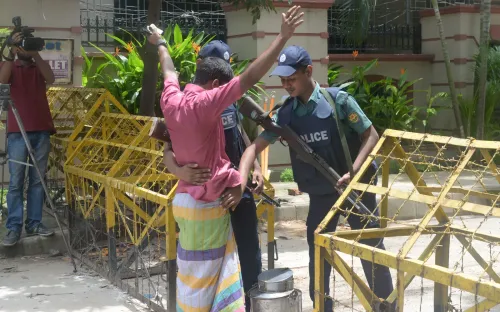
More than 200 leaders and activists were detained across Bangladesh in three days , including 72 in Dhaka's Gulshan area .
Authorities reportedly characterised participation in peaceful processions as 'terrorist and anti-state activity.' JMBF demanded the Bangladesh government provide specific legal grounds for each individual detention.
The rights body has called on the UN Human Rights Council , the EU , and international organisations to monitor and apply diplomatic pressure on Dhaka.
Justice Makers Bangladesh in France (JMBF), an international human rights organisation, on Monday, 14 September 2026, strongly condemned the sweeping crackdown by Bangladeshi authorities on Awami League leaders, activists, and supporters, warning that arbitrary mass arrests tied to peaceful political participation pose a grave threat to civil liberties, political pluralism, and the rule of law in Bangladesh.
Scale of the Crackdown
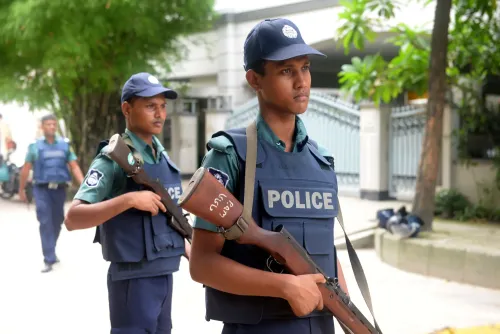
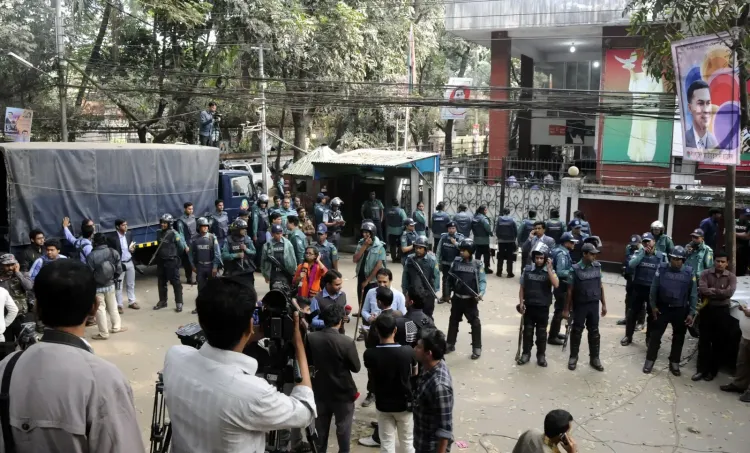
According to reports cited by JMBF, more than 200 leaders and activists of the Awami League and its affiliated organisations have been arrested across Bangladesh over three days, including 72 in Dhaka's Gulshan area alone, in successive operations surrounding a peaceful procession. The rights body said the detentions were conducted without establishing each individual's specific role in any alleged offence.
What the Rights Body Said
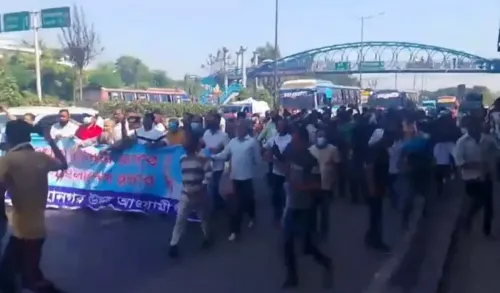
JMBF stated that participation in — or preparation to participate in — peaceful processions has been formally characterised as 'terrorist and anti-state activity' by Bangladeshi authorities. The organisation rejected this characterisation categorically, asserting that attending a political meeting is not a crime and that political affiliation alone cannot constitute sufficient grounds for arrest.
'Even when a political organisation's activities are prohibited by executive order, its members and supporters retain their fundamental rights. Using political affiliation as a substitute for evidence of criminal conduct and carrying out indiscriminate arrests without establishing each individual's specific role are unacceptable. Vague allegations, political labels or formulaic accusations cannot absolve the authorities of responsibility for mass arrests,' JMBF stated.
The organisation further warned that 'imprisoning people for peaceful political participation and driving them out of public life through fear of arrest pave the way for a society governed by fear.'
Legal and Civil Liberties Concerns
JMBF stressed that invoking anti-terrorism legislation to suppress political opposition amounts to an abuse of state power. The body demanded that the government of Bangladesh publicly explain the specific grounds for each individual detention, including the alleged role of the accused and the basis on which the necessity of arrest was determined.
Critics argue that the use of broad terrorism statutes against political opponents — when their only documented act is attending a procession — sets a dangerous precedent for democratic backsliding in the South Asian nation.
International Community Called to Act
The rights organisation called on the United Nations Human Rights Council, the Special Rapporteur on the rights to freedom of peaceful assembly and of association, the European Union, and all international bodies to closely monitor the deteriorating situation in Bangladesh. It also urged the global community to apply effective diplomatic pressure on Dhaka to ensure that all citizens can exercise their political and civil rights equally, regardless of party affiliation.
With the Awami League already facing a difficult political environment following a period of executive restrictions, the coming days will test whether international pressure translates into tangible relief for those detained.
Point of View
Without individually established grounds, signals a systematic effort to remove an entire political movement from public life rather than prosecute specific acts. International rights bodies have issued warnings before about Bangladesh's use of broad security laws for political ends; whether this condemnation from Paris produces any diplomatic traction from the UN or the EU will determine whether such appeals retain credibility. The deeper risk is normalisation — if indiscriminate arrest becomes an accepted tool of political management, the damage to democratic norms will outlast any single crackdown.
NationPress
14 Sept 2026
Frequently Asked Questions
Why are Awami League members being arrested in Bangladesh?
Bangladeshi authorities have reportedly arrested over 200 Awami League leaders, activists, and supporters in three days, citing their participation in or preparation for peaceful political processions, which officials have characterised as 'terrorist and anti-state activity.' Rights groups dispute this framing, saying political participation cannot legally constitute terrorism.
Who is Justice Makers Bangladesh in France (JMBF)?
Justice Makers Bangladesh in France (JMBF) is an international human rights organisation based in France that monitors and advocates on civil liberties issues relating to Bangladesh. It has called for international scrutiny of the ongoing crackdown on Awami League members.
How many people have been arrested in the Bangladesh crackdown?
According to reports cited by JMBF, more than 200 Awami League leaders and activists have been detained across Bangladesh over three days, with 72 arrests occurring specifically in Dhaka's Gulshan area in successive operations surrounding a peaceful procession.
What has JMBF demanded from the Bangladesh government?
JMBF has demanded that the Bangladesh government publicly explain the specific legal grounds for each individual detention, including the alleged role of each person arrested and the basis on which the necessity of arrest was determined. It has also called for an end to using political affiliation as a substitute for evidence of criminal conduct.
Which international bodies has JMBF called on to intervene?
JMBF has called on the United Nations Human Rights Council, the Special Rapporteur on the rights to freedom of peaceful assembly and of association, and the European Union to closely monitor the situation and apply diplomatic pressure on the Bangladesh government to uphold political and civil rights for all citizens.