Supreme Court tells Centre: Take CSEAM on social media seriously
Synopsis
More than a year after the Supreme Court's landmark 2024 ruling on CSEAM reporting, the bench has again pressed the Centre — calling the issue 'very, very serious' — as the NHRC flags ongoing delays and raises alarming concerns about paid Instagram ads promoting child sexual abuse material linked to Telegram sale channels.
Key Takeaways
The Supreme Court on 15 October 2026 directed the Centre to treat CSEAM circulation on social media as a matter of utmost urgency.
The bench, led by Justice J.B.
Pardiwala , described the issue as a 'very, very serious matter' and indicated it would issue specific remedial measures.
The case flows from the Supreme Court's 23 September 2024 judgment in Just Rights for Children Alliance v.
Harish , which has reportedly not been fully implemented.
The 2024 ruling held that social media intermediaries must report POCSO offences to both NCMEC and the Special Juvenile Police Unit (SJPU) or local police.
NHRC member Priyank Kanoongo flagged persistent non-compliance and raised concerns about monetisation of child abuse material on Instagram and Telegram .
The matter is tentatively listed for further hearing on 10 December .
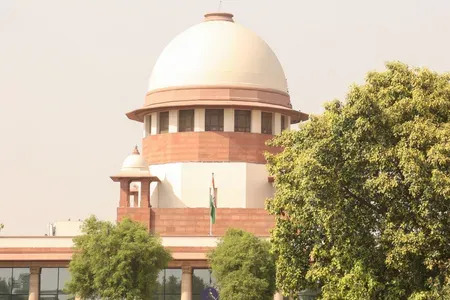
The Supreme Court on Thursday, 15 October 2026, directed the Centre to treat the circulation of Child Sexual Exploitation and Abuse Material (CSEAM) on social media platforms as a matter of the highest urgency, indicating it would soon issue specific measures to address the problem. The bench underscored that this was a 'very, very serious matter' that demanded immediate government action.
What the Court Said
A bench comprising Justice J.B. Pardiwala and Justice K. Vinod Chandran made these observations while hearing a plea demanding criminal action against social media intermediaries for allegedly failing to report child sexual abuse material to authorities — a statutory obligation under Indian law. The bench asked the Centre to study its forthcoming order carefully and respond in earnest.
Solicitor General Tushar Mehta, appearing for the Centre, informed the court that the government had filed its reply along with suggestions on tackling the problem. When counsel for the petitioner raised concerns about the dark web, Mehta assured the bench that the Centre was taking the matter seriously.
Background: The 2024 Judgment and Its Unimplemented Directions
The present proceedings stem from an application by the Just Rights for Children Alliance (JRCA) seeking effective implementation of the Supreme Court's landmark judgment of 23 September 2024 in Just Rights for Children Alliance v. S. Harish. That ruling clarified that compliance with the Information Technology Act, 2000, does not absolve social media intermediaries of their obligations under the Protection of Children from Sexual Offences (POCSO) Act.
Critically, the 2024 judgment held that intermediaries must report suspected POCSO offences not only to the National Center for Missing & Exploited Children (NCMEC), but also to the Special Juvenile Police Unit (SJPU) or local police. The JRCA contends that this direction has not been fully implemented, more than a year after it was issued.
At the previous hearing on 24 September, the Supreme Court had granted the Centre a 'last opportunity' to file its counter-affidavit and an action-taken report. It had also asked the Centre to present a draft Standard Operating Procedure (SOP) for handling CSEAM cases before the next hearing.
NHRC Steps In, Flags Continued Delay
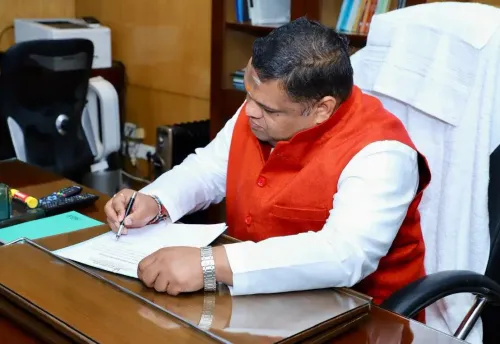
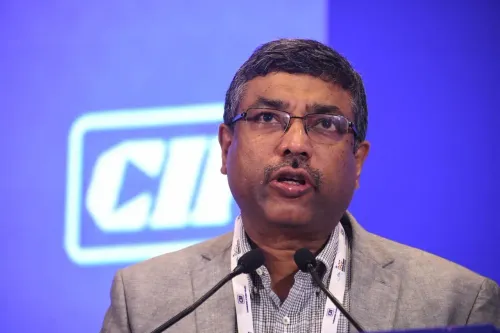
The case has also drawn the attention of the National Human Rights Commission (NHRC). Earlier on Thursday, NHRC member Priyank Kanoongo flagged persistent delays in implementing the Supreme Court's directions, noting that the 2024 judgment remained unimplemented. In a post on X, Kanoongo questioned why social media companies were allegedly resisting mandatory reporting of child sexual abuse material to the police, and raised concerns over the monetisation of such content on online platforms.
The NHRC has separately taken cognisance of media reports alleging that paid advertisements on Instagram promoted child sexual abuse material and directed users to Telegram channels where such content was allegedly being sold.
What Happens Next
According to the apex court's official website, the matter has been tentatively listed for further hearing on 10 December. The Supreme Court is expected to issue an order outlining specific measures, which the Centre and social media intermediaries will be required to act upon. The draft SOP, the action-taken report, and the government's proposals on tackling the dark web dimension will all be under scrutiny at the next date.
Point of View
Yet the Centre has had to be granted a 'last opportunity' to file its compliance report — a damning signal about enforcement bandwidth. The NHRC's disclosure about paid Instagram advertisements promoting child sexual abuse material is the most disturbing detail in this case, and it has received far less attention than it warrants. The real accountability gap here is not legislative but operational: India has robust statutes in POCSO and the IT Act, but social media platforms appear to be exploiting the absence of a standardised SOP to delay mandatory police reporting. If the forthcoming Supreme Court order does not include teeth — penalties, timelines, and independent audit mechanisms — it risks becoming another set of directions that implementation simply sidesteps.
NationPress
15 Oct 2026
Frequently Asked Questions
What is CSEAM and why is the Supreme Court involved?
CSEAM stands for Child Sexual Exploitation and Abuse Material. The Supreme Court is hearing a petition by the Just Rights for Children Alliance (JRCA) seeking criminal action against social media intermediaries that allegedly failed to report such material to Indian authorities, as mandated by the POCSO Act. The court has been pressing the Centre for concrete compliance steps since its September 2024 ruling.
What did the Supreme Court's 2024 judgment say about social media platforms?
The Supreme Court's 23 September 2024 judgment in Just Rights for Children Alliance v. S. Harish held that compliance with the Information Technology Act, 2000, does not exempt social media intermediaries from their obligations under the POCSO Act. Platforms must report suspected POCSO offences to both NCMEC and the Special Juvenile Police Unit (SJPU) or local police.
What role is the NHRC playing in this matter?
NHRC member Priyank Kanoongo has flagged continued delays in implementing the Supreme Court's 2024 directions. The NHRC has also separately taken cognisance of reports that paid advertisements on Instagram allegedly promoted child sexual abuse material and directed users to Telegram channels where such content was being offered for sale.
What is the Centre expected to submit to the Supreme Court?
The Centre is required to file a counter-affidavit, an action-taken report on steps taken since the 2024 judgment, and a draft Standard Operating Procedure (SOP) for handling CSEAM cases. Solicitor General Tushar Mehta informed the court on 15 October that the government's reply and suggestions had been filed.
When is the next hearing in this case?
According to the Supreme Court's official website, the matter has been tentatively listed for further hearing on 10 December. The court is expected to issue an order at or before that date outlining specific measures to address CSEAM circulation.