SC seeks Bihar MLC notification as Deepak Prakash sworn into Upper House
Synopsis
Bihar's attempt to close a Supreme Court PIL by nominating Minister Deepak Prakash to the Legislative Council under the Governor's quota has not gone unchallenged. The apex court has refused to shut the case, demanding the formal appointment notification — keeping alive a constitutional question about whether a last-minute Upper House seat can retroactively cure a breach of Article 164(4).
Key Takeaways
The Supreme Court on 7 August directed the Bihar government to produce the official notification of Deepak Prakash's appointment to the Bihar Legislative Council .
Solicitor General Tushar Mehta argued the disqualification case no longer survives as Prakash has been nominated as an MLC and sworn in.
The PIL, filed by activist Rakesh Kumar Singh , challenges Prakash's continued tenure as minister beyond six months without legislative membership under Article 164(4) .
The vacancy was created after BJP MLC Devesh Kumar resigned on 31 July ; Prakash was then nominated under the Governor's quota .
The matter is likely to be listed next on 20 August ; the petitioner opposes closure, citing an already-occurred constitutional violation.
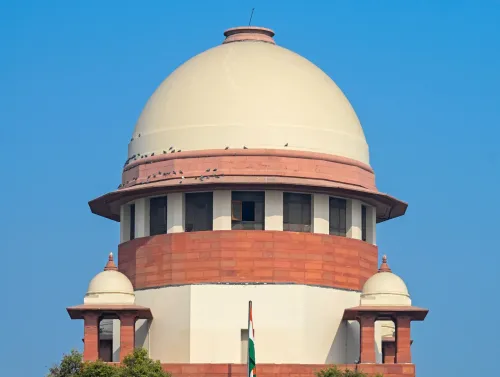
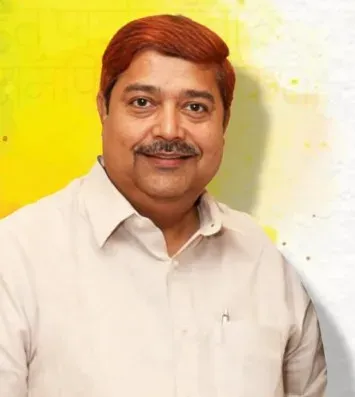
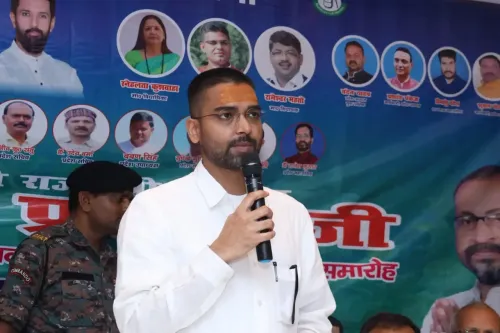
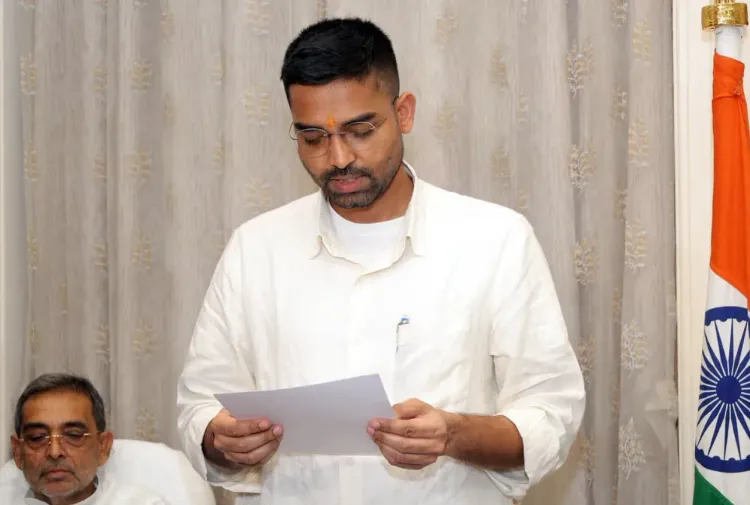
The Supreme Court on Friday, 7 August directed the Bihar government to place on record the official notification appointing Bihar Panchayati Raj Minister Deepak Prakash as a member of the Bihar Legislative Council (MLC), after the state informed the court that he had been nominated to the Upper House and had already taken the oath.
What Happened in Court
A Bench comprising Chief Justice of India (CJI) Surya Kant, Justice Joymalya Bagchi, and Justice V Mohana took on record the Bihar government's submission that Deepak Prakash had been appointed to the Bihar Legislative Council and sworn in. Solicitor General Tushar Mehta, appearing for the Bihar government, submitted that the alleged disqualification no longer survives given Prakash's nomination as an MLC.
Despite the state's plea to close the matter in light of this development, the apex court declined and instead asked for the formal appointment notification. The court adjourned the public interest litigation (PIL) filed by social activist Rakesh Kumar Singh, with the matter likely to be listed next on 20 August, according to the Supreme Court's official case status portal.
The Constitutional Question at the Centre
The PIL raises a pointed constitutional question under Article 164(4) of the Constitution, which permits a non-legislator to serve as a minister for a maximum of six months, within which the person must secure membership of either House of the state legislature. According to the petition, Deepak Prakash was first inducted into the Bihar Cabinet on 20 November 2025 without being a member of either House.
Following the resignation of then Chief Minister Nitish Kumar on 15 April and the formation of a new government under Chief Minister Samrat Choudhary, Prakash was reappointed as Panchayati Raj Minister on 7 May. The petitioner argued that this reappointment could not effectively reset the six-month clock under Article 164(4), particularly when the same Legislative Assembly remained in existence.
The S.R. Chaudhuri Precedent
The PIL relied on the Supreme Court's 2001 judgment in S.R. Chaudhuri versus State of Punjab, which held that the constitutional exception under Article 164(4) is a one-time privilege and cannot be repeatedly invoked through resignation, change of ministry, Cabinet reshuffles, or reappointment. The petitioner argued that permitting repeated appointments of an unelected individual to ministerial office would undermine parliamentary democracy, representative government, collective responsibility, and electoral accountability.
The Supreme Court had earlier observed that the matter involved a pure question of law and had asked the Bihar government to explain the constitutional basis for allowing Prakash to continue as minister beyond the prescribed six-month period.
How the Vacancy Was Created
The controversy deepened when Prakash was notably absent from the NDA's list of nominees for vacant Bihar Legislative Council seats in recent elections. However, on 31 July, BJP MLC Devesh Kumar resigned from his seat in the Bihar Legislative Council, creating a vacancy. Prakash was subsequently nominated under the Governor's quota and has since taken the oath as an MLC, a development the Bihar government cited before the Supreme Court to argue that the matter had become infructuous.
The petitioner, however, opposed closure, contending that the constitutional violation had already occurred and raising objections over the legality of the process adopted. How the Supreme Court rules on whether the belated nomination cures an earlier constitutional breach will have wider implications for how Article 164(4) is interpreted across states.
Point of View
Rather than win one, only sharpens the accountability question the petitioner raised.
NationPress
21 Sept 2026
Frequently Asked Questions
Why did the Supreme Court seek the Bihar MLC appointment notification for Deepak Prakash?
The Supreme Court asked for the official notification to verify the legal basis of Deepak Prakash's nomination to the Bihar Legislative Council, after the state argued the PIL against him had become infructuous. The court declined to close the case without first examining the formal appointment document.
What is Article 164(4) of the Constitution and why does it matter here?
Article 164(4) allows a non-legislator to be appointed as a state minister for a maximum of six months, within which the person must secure membership of the legislature. The PIL argued that Deepak Prakash exceeded this limit and that his reappointment under a new government could not reset the six-month clock.
How did Deepak Prakash eventually become a member of the Bihar Legislative Council?
BJP MLC Devesh Kumar resigned from his Bihar Legislative Council seat on 31 July, creating a vacancy. Deepak Prakash was subsequently nominated to fill that vacancy under the Governor's quota and was sworn in as an MLC, which the Bihar government cited in court to argue the disqualification issue had been resolved.
What is the significance of the S.R. Chaudhuri versus State of Punjab judgment in this case?
The 2001 Supreme Court ruling held that the Article 164(4) exception — permitting a non-legislator to serve as minister for six months — is a one-time privilege and cannot be repeatedly invoked through reappointments or Cabinet reshuffles. The petitioner relied on this precedent to argue that Prakash's reappointment under a new government did not grant him a fresh six-month window.
When is the Supreme Court next expected to hear this case?
According to the case status on the Supreme Court's official website, the matter is likely to be listed next on 20 August. The petitioner has opposed the Bihar government's plea to close the case, arguing the constitutional violation had already occurred.