Supreme Court notices Bihar minister Deepak Prakash's reappointment sans legislature seat
Synopsis
The Supreme Court has put Bihar's government on notice over a constitutional sleight of hand: can a minister who never won a legislative seat keep getting reappointed every time a government changes? The answer, rooted in a 2001 Supreme Court precedent, may be no — and the July 15 hearing could set a binding limit on how far Article 164(4) can be stretched.
Key Takeaways
The Supreme Court on 15 June issued notice on a PIL challenging the reappointment of Bihar Panchayati Raj Minister Deepak Prakash without legislative membership.
Deepak Prakash was first inducted into the Bihar Cabinet on 20 November 2025 and has not secured membership of either House of the Bihar Legislature .
After Chief Minister Nitish Kumar resigned on 15 April , Prakash was reappointed under Chief Minister Samrat Choudhary on 7 May — 22 days later — still without a legislative seat.
The PIL, filed by Rakesh Kumar Singh , invokes the 2001 S.R.
Chaudhuri judgment to argue that Article 164(4) 's six-month grace is a one-time privilege, not a renewable one.
Deepak Prakash was notably absent from the NDA 's list of nominees for recent Bihar Legislative Council elections in which all 10 seats were filled unopposed.
The next Supreme Court hearing is scheduled for 15 July .
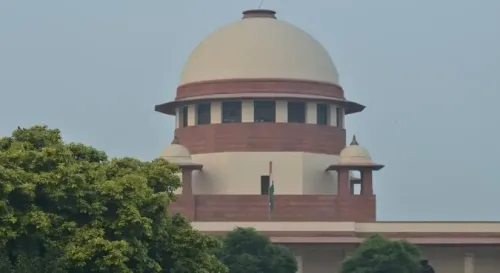
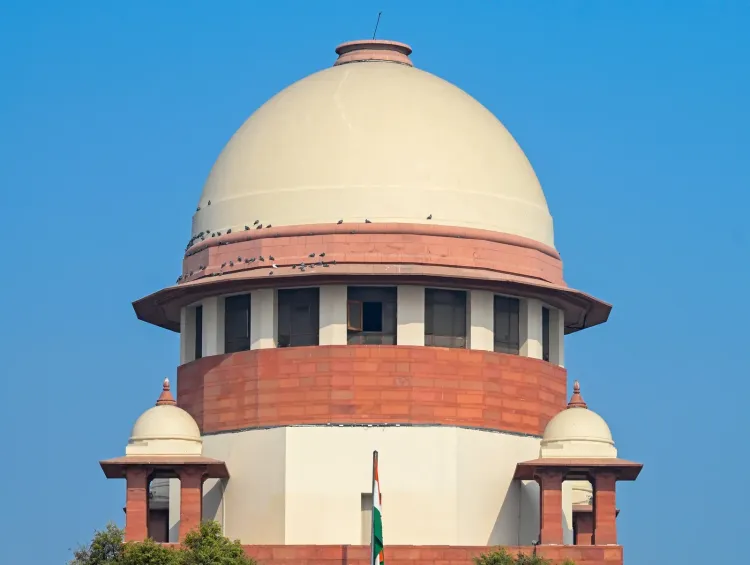
The Supreme Court on Monday, 15 June issued notice on a public interest litigation challenging the reappointment of Bihar Panchayati Raj Minister Deepak Prakash to the Cabinet despite his not being a member of either House of the Bihar Legislature. The case raises a pointed constitutional question about whether the six-month grace period for non-legislator ministers under Article 164(4) can be repeatedly reset through cabinet reshuffles or a change of government.
What the Court Has Ordered
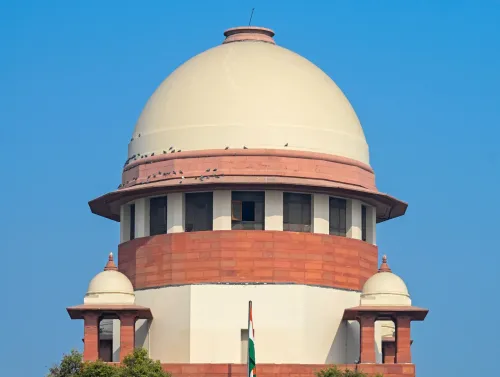
A bench comprising Chief Justice of India Surya Kant and Justice V. Mohana issued notices to the Election Commission of India (ECI), Deepak Prakash, and the Bihar government. The matter has been posted for the next hearing on 15 July.
The Constitutional Question at Stake
The PIL, filed by social activist and whistleblower Rakesh Kumar Singh, seeks a writ of quo warranto questioning the authority under which Prakash continues to hold ministerial office. The petition argues that Article 164(4) of the Constitution — which allows a non-legislator to serve as minister for a maximum of six months, within which period he or she must secure legislative membership — is a one-time constitutional privilege, not a revolving door.
The petitioner relies on the Supreme Court's 2001 judgment in S.R. Chaudhuri versus State of Punjab, which held that the exception under Article 164(4) cannot be repeatedly invoked through resignation, cabinet reshuffles, change of chief minister, or reappointment.
The Sequence of Events
Deepak Prakash was first inducted into the Bihar Cabinet on 20 November 2025 without holding membership of either the Bihar Legislative Assembly or the Bihar Legislative Council. According to the petition, he continued to function as a minister for nearly five months without becoming a legislator.
On 15 April, Chief Minister Nitish Kumar resigned, dissolving the Council of Ministers and ending Prakash's ministerial tenure. After a gap of 22 days, Prakash was reappointed as Panchayati Raj Minister in the newly constituted government headed by Chief Minister Samrat Choudhary on 7 May — again without securing membership of either legislative house. The petitioner argues this reappointment amounts to a colourable exercise of constitutional power aimed at indirectly extending the six-month grace period.
Broader Constitutional Concerns
The petition alleges violations of Articles 14, 164(2), 164(4), and 141 of the Constitution, along with principles of constitutional morality and the rule of law. It contends that permitting repeated appointments of unelected individuals to ministerial office would undermine parliamentary democracy, representative government, collective responsibility, and electoral accountability.
Political Context
The controversy intensified after recent Bihar Legislative Council elections in which all 10 candidates were elected unopposed. Notably, Deepak Prakash was not among the NDA nominees for the vacant Council seats, despite continuing as minister. His exclusion from the ruling alliance's candidate list triggered speculation over his political future and sharpened questions about his continued presence in the Cabinet without a legislative mandate.
The Supreme Court's next hearing on 15 July will determine whether the matter merits a fuller constitutional examination — and could set a precedent on how far the Article 164(4) exception can be stretched.
Point of View
Yet the Bihar government has effectively dared the judiciary to enforce it. What makes this case sharper is Prakash's conspicuous omission from the NDA's own Legislative Council nominee list — suggesting even the ruling alliance is uncertain about his political standing. If the Court upholds the PIL, it will not only void Prakash's appointment but send a warning to every state government that treats unelected ministerial tenures as a matter of political convenience rather than constitutional obligation.
NationPress
19 Sept 2026
Frequently Asked Questions
Why has the Supreme Court issued notice on Deepak Prakash's ministerial appointment?
The Supreme Court issued notice because a PIL argues that Deepak Prakash's reappointment as Bihar Panchayati Raj Minister violates Article 164(4) of the Constitution, which limits a non-legislator minister's tenure to six months. The petition contends that using a change of government to reset that clock is an unconstitutional workaround.
What does Article 164(4) of the Constitution say?
Article 164(4) allows a person who is not a member of either House of the state legislature to be appointed as a minister, but only for a maximum period of six months, within which they must secure legislative membership. The Supreme Court's 2001 judgment in S.R. Chaudhuri versus State of Punjab held this is a one-time privilege and cannot be repeatedly invoked.
What is the sequence of events involving Deepak Prakash?
Deepak Prakash was first inducted into the Bihar Cabinet on 20 November 2025 without a legislative seat. After Chief Minister Nitish Kumar's resignation on 15 April dissolved the ministry, Prakash was reappointed under Chief Minister Samrat Choudhary on 7 May — 22 days later — still without membership of either legislative house.
Who filed the PIL and what relief is sought?
The PIL was filed by social activist and whistleblower Rakesh Kumar Singh. It seeks a declaration that Deepak Prakash's reappointment is unconstitutional and void, and a writ of quo warranto questioning the authority under which he holds ministerial office.
What happens next in the case?
The Supreme Court bench of Chief Justice Surya Kant and Justice V. Mohana has posted the matter for further hearing on 15 July. Notices have been issued to the Election Commission of India, Deepak Prakash, and the Bihar government, all of whom are required to respond.