Supreme Court Upholds CBI Case Against Lalu Prasad Yadav in Land-for-Jobs Controversy
Synopsis
The Supreme Court has upheld the validity of the CBI FIR against Lalu Prasad Yadav regarding the land-for-jobs scam. This decision allows Yadav to present legal objections during trial but does not dismiss the ongoing investigation.
Key Takeaways
The Supreme Court upheld the CBI FIR against Lalu Prasad Yadav.
Yadav can raise legal objections during the trial.
Section 17A requires prior sanction for investigating public officials.
The case involves allegations of corruption linked to land-for-jobs.
Various accused, including family members, are part of the ongoing investigation.
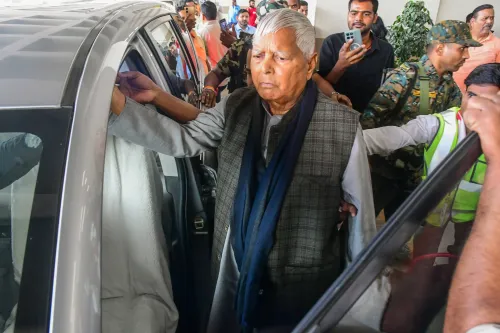
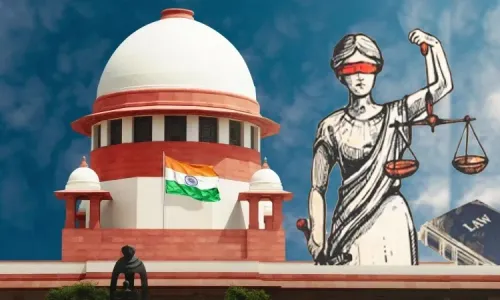
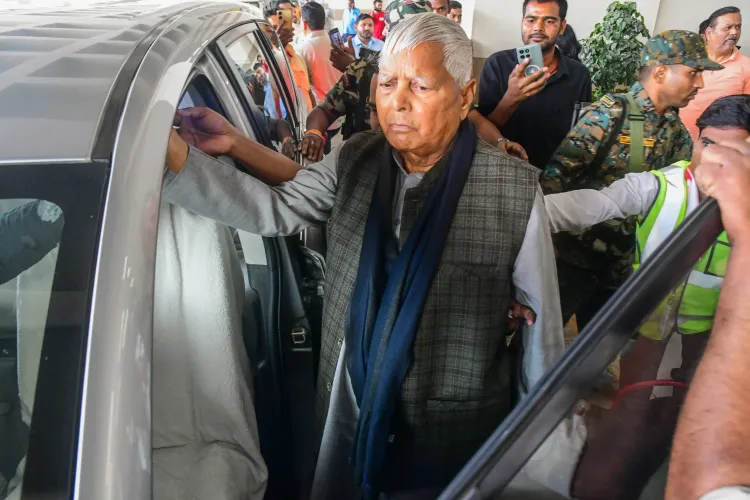
New Delhi, April 13 (NationPress) The Supreme Court today upheld the CBI FIR and charge sheets against RJD leader Lalu Prasad Yadav concerning the alleged land-for-jobs scandal.
A bench comprising Justices M.M. Sundresh and N. Kotiswar Singh dismissed Yadav's petition that challenged the Delhi High Court's ruling to not quash the corruption case. The court allowed him to raise legal objections during the trial and exempted him from appearing personally before the trial court.
“After hearing the senior counsels for both sides, the question of whether the application of the provision is prospective or retrospective remains unresolved. The petitioner may address this issue during the trial,” stated the bench led by Justice Sundresh.
The Supreme Court clarified that it was not making any determinations regarding the controversial applicability of Section 17A of the Prevention of Corruption Act, which requires prior authorization to initiate investigations against public officials for actions taken in their official capacity.
Moreover, the court noted that the Delhi High Court's decision not to quash the case does not prevent the petitioner from presenting legal arguments before the trial court.
Senior advocate Kapil Sibal, representing Yadav, argued that prior approval under Section 17A is crucial before launching an investigation since the allegations involve actions purportedly taken by Yadav in his role as the former Union Railway Minister.
Sibal claimed that the absence of such prior sanction renders the proceedings unlawful.
In contrast, Additional Solicitor General (ASG) S.V. Raju contended that Section 17A is applicable only when the accused serves as a decision-making or recommending authority. He maintained that Yadav does not fit this definition, thus negating the need for prior approval.
During the hearing, the bench led by Justice Sundresh expressed skepticism regarding the CBI's position, suggesting that the influence of a person in the highest office of the ministry should not be overlooked simply because no formal recommendation was documented.
However, the apex court chose not to rule on the merits of the arguments presented, leaving the matter to be addressed during the trial.
This development follows the Delhi High Court's earlier dismissal of Yadav's request to quash the FIR, charge sheets, and cognisance orders, stating that the petition lacked merit.
The allegations are centered around claims that appointments within the Indian Railways were made in exchange for land transfers to Yadav's family members and associates.
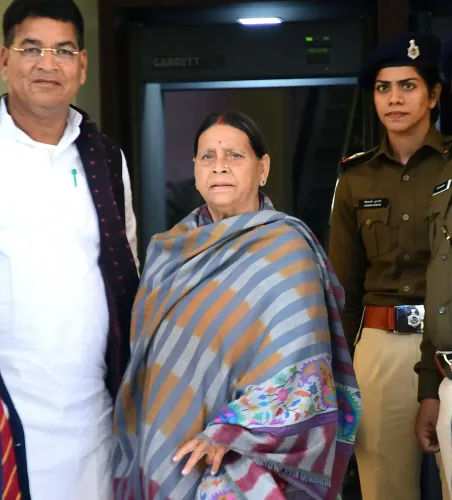
The CBI initiated the case in May 2022 against Lalu Prasad Yadav and several others, including his spouse and former Bihar Chief Minister Rabri Devi, along with other family members and unidentified public officials.
Following this, charge sheets were filed against various accused individuals under the provisions of the Prevention of Corruption Act and the Indian Penal Code (IPC).
Point of View
The Supreme Court's decision to uphold the CBI FIR against Lalu Prasad Yadav highlights the seriousness of corruption allegations within the political realm. The court's ruling not only allows for legal objections but also signifies a commitment to addressing corruption in public office, reinforcing the rule of law.
NationPress
20 Sept 2026
Frequently Asked Questions
What was the Supreme Court's decision regarding Lalu Prasad Yadav?
The Supreme Court upheld the CBI FIR and charge sheets against Lalu Prasad Yadav related to the land-for-jobs scam, allowing him to raise legal objections during the trial.
What is the significance of Section 17A of the Prevention of Corruption Act?
Section 17A mandates prior sanction for investigations against public servants for actions performed in their official capacity, which is a key point in Yadav's defense.
What are the allegations against Lalu Prasad Yadav?
The allegations suggest that appointments in the Indian Railways were made in exchange for land transfers to Yadav's family and associates.
Who are the other individuals involved in this case?
Alongside Lalu Prasad Yadav, his wife Rabri Devi and several family members and unidentified public servants are also implicated in the case.
What does this ruling mean for the ongoing investigation?
The Supreme Court's ruling allows the CBI's investigation to proceed, with Yadav having the opportunity to challenge the case during the trial.