Have Security Forces Really Demolished Five Maoist Memorials in Chhattisgarh's Bijapur District?
Synopsis
In a significant crackdown on Maoist influence in Chhattisgarh's Bijapur district, security forces successfully demolished five memorials linked to the insurgents. This operation underscores the ongoing commitment to dismantling the Maoist narrative and reducing their impact on local communities, reflecting a broader strategy to enhance security in the region.
Key Takeaways
Security forces demolished five Maoist memorials in Bijapur.
The operation is part of a broader anti-Maoist campaign .
Targeted areas include Mandimarka and Marudhabaka forests .
Efforts aim to challenge Maoist propaganda.
The Chhattisgarh government is committed to eradicating Left-Wing Extremism.
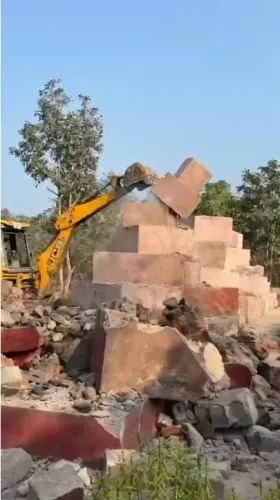
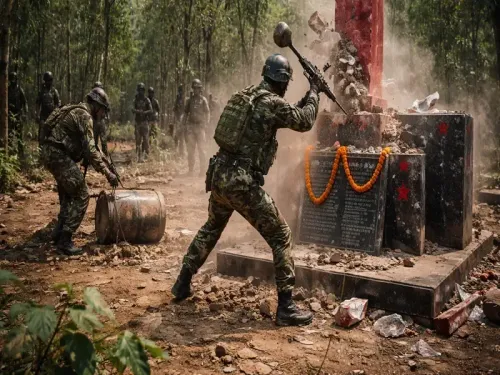
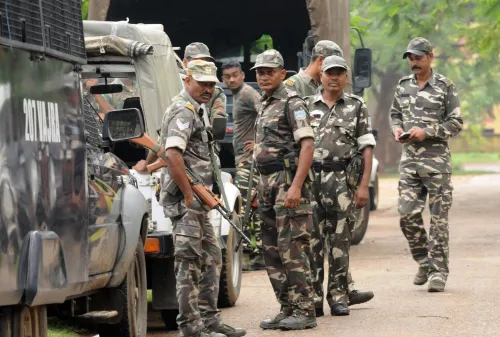
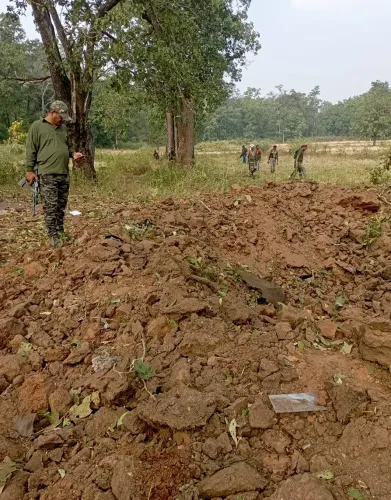
Raipur/Bijapur, Feb 14 (NationPress) In a strategic initiative to combat Maoist dominance in the volatile South Bastar region, security forces executed coordinated operations across several police station jurisdictions in Bijapur district on Saturday, leading to the destruction of five memorials established by Maoists.
This operation represents a significant advancement in the ongoing anti-Maoist campaign, designed to dismantle insurgent propaganda and their psychological influence over local populations.
According to police officials, these actions are part of robust and comprehensive measures against the Maoist factions.
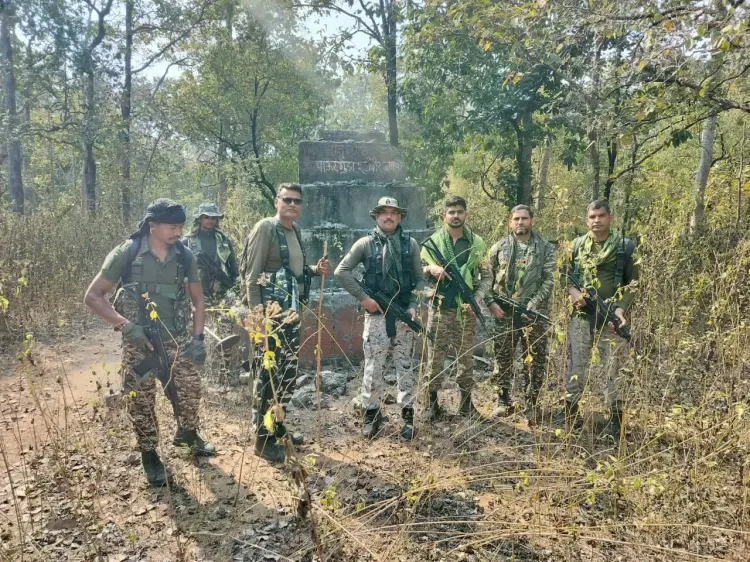
Within the Tarrem police station jurisdiction, a collaborative team composed of CRPF battalions identified and dismantled one such memorial in the Mandimarka forest area, adhering strictly to established security protocols.
In the Usur police station area, the operations yielded considerable success with the demolition of four memorials overall.
A combined force of a CRPF battalion and Cobra battalion demolished two structures in the Marudhabaka forests, while another team from the CRPF battalion destroyed two additional structures in the forested regions of Paurguda and Singanapalli.
These memorials, typically erected to honor deceased Maoist leaders and cadres, stand as emblems of rebel ideology and serve as recruitment tools in remote tribal locales.
By eliminating them, security personnel aim to disrupt the narrative of martyrdom propagated by the insurgents, thereby undermining their influence over vulnerable communities.
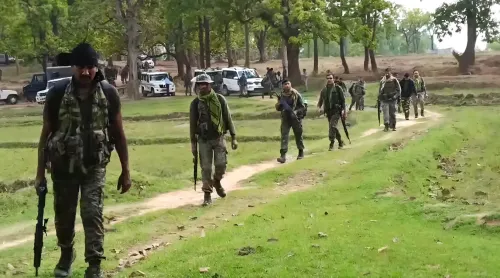
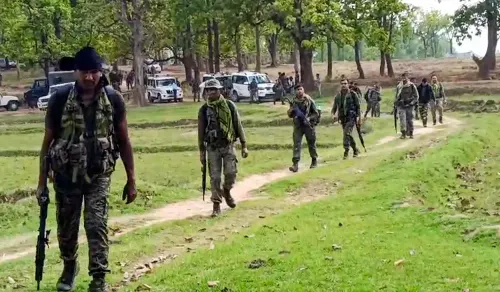
Officials further indicated that this achievement contributes to diminishing Maoist propaganda in the South Bastar area, with forces continuing search, area control, and patrolling activities to maintain pressure. This latest operation follows a trend of heightened anti-Naxal actions in the region.
Just a day prior, on February 13, reports revealed that security forces in Bijapur neutralized improvised explosive devices and dismantled additional Maoist memorials, including one honoring Nambala Keshava Rao, also known as Basavaraju, the former general secretary of the CPI-Maoist, who was killed in a 2025 encounter.
Similar operations were noted in areas such as Awapalli-Murdanda and Gangaloor, where IEDs intended to target security vehicles were neutralized, and memorials in forested regions like Todka-Korcholi and Peddakorma were also destroyed.
The Chhattisgarh government, led by Chief Minister Vishnu Deo Sai, has intensified its efforts to eradicate Left-Wing Extremism by March 2026, as pledged by Union Home Minister Amit Shah.
Bijapur, which is part of the Bastar division, continues to be a hotspot for Maoist activities due to its dense forests and tribal demographics, where insurgents capitalize on grievances related to land rights and development.
Point of View
The demolition of these memorials signifies a strategic move to challenge the narratives that sustain insurgent ideologies. It is essential for national security and community welfare that such actions continue, as they aim to restore peace and stability in affected regions.
NationPress
6 Oct 2026
Frequently Asked Questions
What was the objective of the recent operations in Bijapur?
The operations aimed to dismantle Maoist influence by demolishing memorials that symbolize insurgent ideology and propaganda.
How many memorials were destroyed during these operations?
A total of five Maoist memorials were demolished during the coordinated operations.
What regions were affected by these operations?
The operations took place across multiple police station jurisdictions in Bijapur district, including areas like Mandimarka, Usur, Marudhabaka, Paurguda, and Singanapalli.
What is the significance of demolishing these memorials?
Demolishing the memorials disrupts the narrative of martyrdom used by the Maoists and aims to weaken their influence over local communities.
What broader efforts are being made to combat Maoist activities?
The Chhattisgarh government is intensifying efforts to eradicate Left-Wing Extremism, with a commitment to significant action by March 2026.