Shiv Sena (UBT) calls Ladki Bahin Yojana a ‘global scam’, demands HC probe
Synopsis
Shiv Sena (UBT) has turned Maharashtra's flagship women's cash-transfer scheme into a poll-integrity flashpoint. After 80 lakh women were ruled ineligible post e-KYC, the party is calling the Ladki Bahin Yojana a ‘global scam’, demanding a sitting HC judge probe, property seizure of the CM and two Dy CMs, and even fresh elections.
Key Takeaways
Shiv Sena (UBT) on 3 June branded the Ladki Bahin Yojana a ‘global scam’ in a ‘Saamana’ editorial.
Around 80 lakh women were declared ineligible after the e-KYC process, out of 2.38 crore beneficiaries.
The scheme had disbursed over ₹17,000 crore by December 2024 , paying ₹1,500 a month per woman.
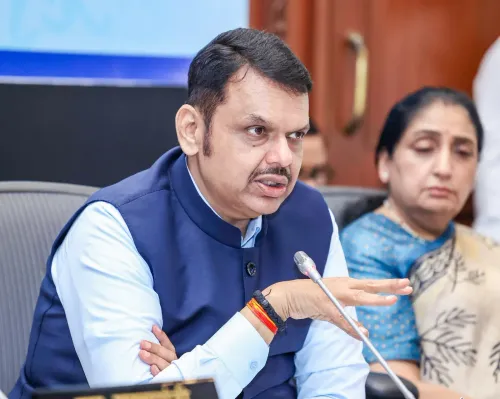
The party demanded a sitting High Court judge-led probe and property seizure of CM Devendra Fadnavis and Deputy CMs Eknath Shinde and Ajit Pawar .
It also urged the Election Commission to invalidate the affected votes and order fresh Maharashtra elections.
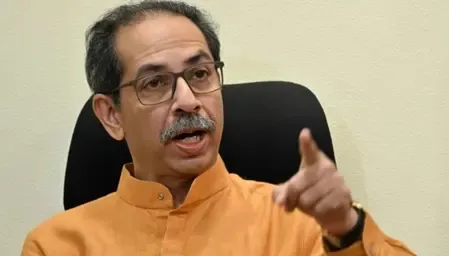
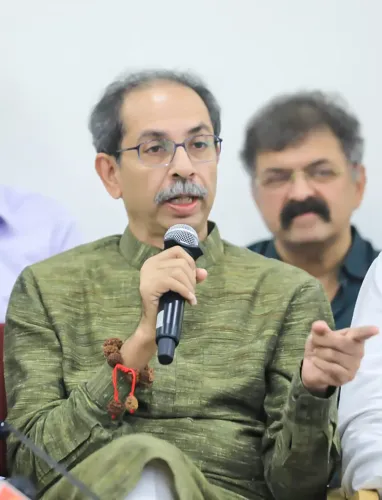
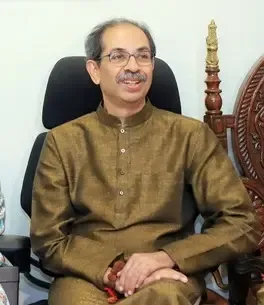
The Shiv Sena (Uddhav Balasaheb Thackeray) on Wednesday, 3 June launched a sharp attack on Maharashtra's ruling Mahayuti, alleging that the coalition came to power by ‘buying’ the votes of nearly one crore women through the Mukhyamantri Majhi Ladki Bahin Yojana, and branding the scheme a ‘global scam’. The party has demanded an inquiry by a sitting High Court judge after roughly 80 lakh women were declared ineligible following an e-KYC verification drive.
What the Saamana editorial alleged
In an editorial published in the party mouthpiece ‘Saamana’, the Uddhav Thackeray-led faction alleged that the Devendra Fadnavis–Eknath Shinde–Ajit Pawar trio won the Maharashtra Assembly elections through ‘manipulation’. The piece claimed the scheme was rolled out mid-campaign, with a monthly allowance of ₹1,500 announced for 2.38 crore women, sparking ‘intense competition’ among the three leaders to host women's rallies.
The e-KYC fallout
The editorial said that following the e-KYC process, around 80 lakh women were ruled ineligible, which it described as proof that public funds were ‘indiscriminately diverted’ into the accounts of ineligible beneficiaries to swing votes. By December 2024, more than ₹17,000 crore had reportedly been disbursed under the scheme.
‘In this whole corrupt game, our Election Commission played the role of the deaf, mute, and blind,’ the editorial stated, alleging that the trio's vote tally ‘swelled by roughly one crore’ on the back of the cash transfers.
The Thackeray camp's demands
The party argued that any recovery of misused funds must not come from the ineligible women beneficiaries, but from those who authorised the disbursals. It called for seizure of the ‘movable and immovable properties’ of the Chief Minister and the two Deputy Chief Ministers, and for anti-corruption cases against the officials who cleared payments without verification — ‘especially the then-Secretary of the concerned department’.
The editorial went further, demanding that the Election Commission ‘declare the voting by such women invalid and announce fresh elections in Maharashtra’.
Why it matters
The Ladki Bahin Yojana is widely credited as a decisive factor in the Mahayuti's landslide return to power in the November 2024 Assembly polls. Notably, this is among the first organised opposition pushbacks targeting the scheme's post-poll audit trail, and it links the eligibility purge directly to the integrity of the mandate — a politically combustible framing.
What's next
The Thackeray camp has signalled it will press the demand for a sitting High Court judge-led probe and a CAG audit. The Mahayuti government is yet to formally respond to the latest allegations, even as the e-KYC-driven beneficiary trimming continues across districts.
Point of View
Part electoral instrument — that the opposition is only now contesting its design speaks to how decisively it shaped the November 2024 mandate. The 80 lakh ineligibility figure is genuinely awkward for the Mahayuti: if KYC was non-negotiable, why was it deferred until after polling? The demand for fresh elections is political theatre and will go nowhere, but the call for a CAG audit and a judicial probe is harder to brush off. India's cash-transfer politics needs a serious conversation about verification-before-disbursal, not after.
NationPress
14 Sept 2026
Frequently Asked Questions
What is the Ladki Bahin Yojana controversy about?
The Shiv Sena (UBT) has alleged that the Mahayuti government in Maharashtra used the Mukhyamantri Majhi Ladki Bahin Yojana to ‘buy’ the votes of nearly one crore women ahead of the 2024 Assembly elections. The row escalated after roughly 80 lakh women were ruled ineligible following an e-KYC verification.
How much money was disbursed under the scheme?
According to the Saamana editorial, more than ₹17,000 crore had been disbursed under the Ladki Bahin Yojana by December 2024. The scheme pays eligible women ₹1,500 per month and originally covered 2.38 crore beneficiaries.
What has Shiv Sena (UBT) demanded?
The party has demanded a probe by a sitting High Court judge, seizure of the movable and immovable properties of Chief Minister Devendra Fadnavis and Deputy CMs Eknath Shinde and Ajit Pawar, and anti-corruption cases against officials who cleared payments without verification. It has also urged the Election Commission to invalidate the affected votes and order fresh elections.
Why were 80 lakh women declared ineligible?
The beneficiaries were ruled ineligible after the state carried out an e-KYC verification process. The Thackeray camp argues that this verification should have been completed before the scheme was rolled out, not after the elections.
Who is affected by the eligibility cut?
Approximately 80 lakh women across Maharashtra who were previously receiving the ₹1,500 monthly allowance will no longer get the benefit. The Shiv Sena (UBT) has insisted that any recovery of past payments must not be made from these women but from those who authorised the disbursals.