Ladki Bahin Yojana: How Maharashtra manages ₹36,000 crore fiscal strain
Synopsis
Maharashtra's flagship Ladki Bahin Yojana has shed up to 80 lakh beneficiaries after a hard e-KYC deadline — a fiscal correction that saves thousands of crores but has ignited a political firestorm. With ₹36,000 crore on the line annually and the opposition demanding an audit over ₹288 crore in allegedly unverified payouts, the Mahayuti government is learning that electoral welfare schemes are far easier to launch than to sustainably govern.
Key Takeaways
Active beneficiaries of Ladki Bahin Yojana have dropped from a peak of 2.43–2.46 crore to approximately 1.66–1.70 crore following a mandatory e-KYC drive ending 30 April 2026 .
Between 73 lakh and 80 lakh women have been removed from the payout cycle across multiple ineligibility categories.
The scheme carries an annual financial burden of ₹36,000 crore on Maharashtra's exchequer.
Over 14,000 cases of men allegedly impersonating women to claim the ₹1,500 monthly stipend were detected and stopped.
NCP-SP MP Supriya Sule has demanded an independent audit, citing approximately ₹288 crore reportedly paid to unverified accounts before the verification exercise.
Senior officials have ruled out further e-KYC extensions or fresh enrolments, effectively capping the beneficiary base.
Maharashtra's Mukhya Mantri Majhi Ladki Bahin Yojana, the welfare scheme widely credited with anchoring the Mahayuti alliance's decisive electoral victory, is now navigating its most demanding governance phase. With an annual financial burden of ₹36,000 crore, the state has embarked on an aggressive rationalisation drive — transforming the scheme from a broad-based cash transfer into a tightly targeted assistance programme.
The Beneficiary Purge: Scale and Causes
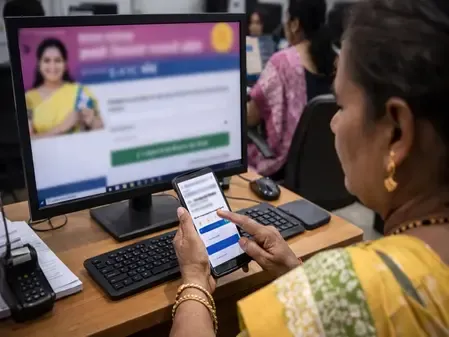
Following a mandatory e-KYC verification exercise that concluded on 30 April 2026, the active beneficiary count has fallen sharply — from a peak of 2.43–2.46 crore women in late 2025 to approximately 1.66–1.70 crore. In effect, between 73 lakh and 80 lakh women have been removed from the monthly payout cycle.
The deletions stemmed from multiple categories of ineligibility. Around 50 lakh applicants were removed for failing to complete verification or update records by the April deadline. Roughly 12 lakh women were flagged for exceeding the annual family income ceiling of ₹2.5 lakh. Integration with RTO data identified nearly 5 lakh women whose families owned registered four-wheelers. More than 5 lakh women were debarred due to overlapping benefits from schemes such as the Namo Shetkari Yojana. Additionally, over 14,000 cases of men allegedly misrepresenting their identities to claim the ₹1,500 monthly stipend were detected and stopped.
What the Government Said
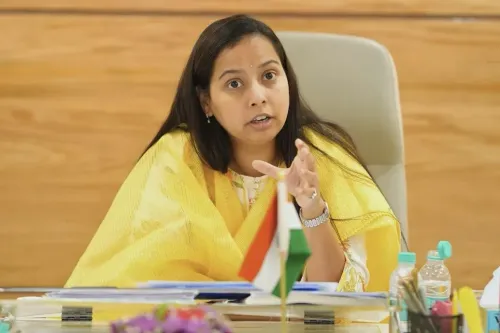
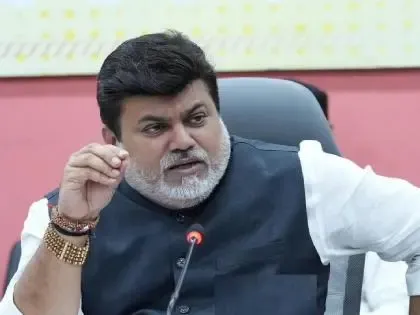
Senior state officials have ruled out any further extensions to the e-KYC window or fresh enrolments, effectively capping the beneficiary base. Deputy Chief Minister Eknath Shinde, the Shiv Sena leader, affirmed that the Ladki Bahin Yojana would continue uninterrupted. Minister for Women and Child Development Aditi Tatkare clarified that no beneficiary's application had been formally rejected under the scheme's stated eligibility criteria.
Opposition Demands Audit and Accountability
NCP-SP Working President and MP Supriya Sule called for an independent financial and administrative audit of the scheme. 'The money of the honest tax-paying people of Maharashtra — exactly how and to whom was it diverted improperly, who is responsible for this, and who the actual beneficiaries were — all this information must be brought transparently before Maharashtra. This is our firm demand,' she said.
The Maha Vikas Aghadi opposition has also questioned accountability for an estimated ₹288 crore reportedly distributed to unverified accounts before the e-KYC drive was completed, accusing the ruling alliance of a 'use and throw' approach post-election.
Grassroots Friction and Fiscal Trade-offs
The transition has not been smooth. Ground-level workers, including Anganwadi staff, report widespread anger among rural women who missed the e-KYC deadline or were allegedly flagged incorrectly by automated systems. The abrupt deletion of names has generated significant grassroots friction, particularly in rural Maharashtra.
Some social sector experts believe the state may eventually integrate the Ladki Bahin Yojana with long-standing programmes such as the Sanjay Gandhi Niradhar Yojana or the Shravanbal Yojana to streamline administrative costs. According to observers, protecting cash transfers for the current 1.66 crore beneficiaries may come at the cost of compressed capital expenditure and delays in industrial infrastructure payouts across other state departments.
What Comes Next
With the beneficiary base now capped and the e-KYC window closed, the Mahayuti government faces a narrow path — maintaining political goodwill among its core constituency while demonstrating fiscal prudence to credit agencies and the broader public. The scheme's long-term viability will depend on how effectively the state can balance welfare commitments against mounting pressure on Maharashtra's developmental budget.
Point of View
Post-election, with the fiscal imperative to prune. Removing 73–80 lakh beneficiaries after a hard verification deadline is administratively defensible, but it carries real political risk — particularly among rural women who were enrolled in good faith and now find themselves cut off. The ₹288 crore disbursed to allegedly unverified accounts before the e-KYC drive is the more damaging detail, and Supriya Sule's audit demand will be difficult to deflect without a transparent accounting. Maharashtra's broader fiscal trade-off — welfare versus capex — is also a warning signal: states that lock in large recurring cash-transfer commitments without sunset clauses or income-indexing tend to crowd out infrastructure spending precisely when growth investment is most needed.
NationPress
25 Sept 2026
Frequently Asked Questions
What is the Mukhya Mantri Majhi Ladki Bahin Yojana?
It is a Maharashtra state government scheme that provides a monthly cash transfer of ₹1,500 to eligible women. The scheme was a central plank of the Mahayuti alliance's 2024 election campaign and carries an annual financial outgo of approximately ₹36,000 crore.
Why were so many women removed from the Ladki Bahin Yojana beneficiary list?
Following a mandatory e-KYC verification drive that closed on 30 April 2026, between 73 lakh and 80 lakh women were removed. Reasons include failure to complete verification, exceeding the ₹2.5 lakh annual family income ceiling, ownership of a registered four-wheeler, overlapping benefits from other schemes, and over 14,000 cases of alleged identity fraud by men.
How many women currently receive benefits under the scheme?
As of the latest figures, approximately 1.66–1.70 crore women are active beneficiaries, down from a peak of 2.43–2.46 crore in late 2025. Officials have confirmed the beneficiary base is now capped with no further enrolments planned.
What has the opposition demanded regarding the scheme?
NCP-SP Working President and MP Supriya Sule has demanded an independent financial and administrative audit of the scheme, citing approximately ₹288 crore reportedly distributed to unverified accounts before the e-KYC exercise. The Maha Vikas Aghadi has accused the ruling Mahayuti of a 'use and throw' approach following the elections.
What are the fiscal implications of the scheme for Maharashtra?
The scheme imposes an annual burden of ₹36,000 crore on Maharashtra's exchequer. Observers warn that protecting cash transfers for the current beneficiary base may compress capital expenditure and delay industrial infrastructure payouts, putting pressure on the state's broader developmental budget.