CM Fadnavis shares Amit Shah's tribute to Annabhau Sathe
Synopsis
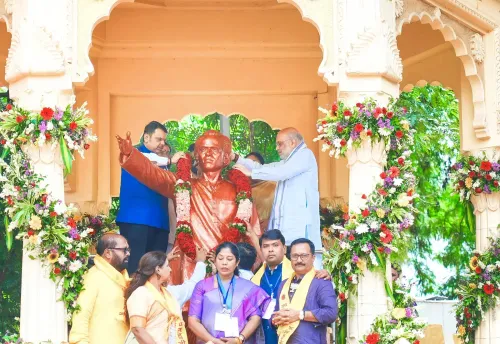
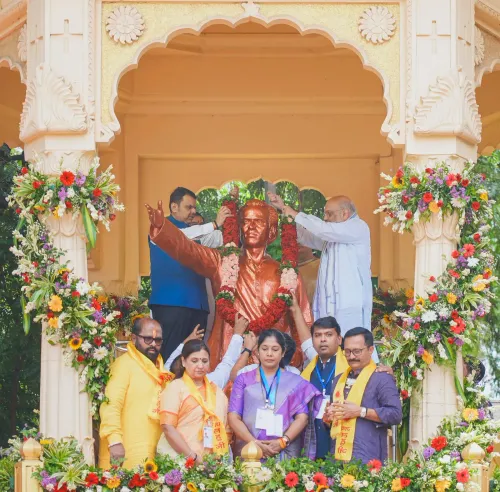
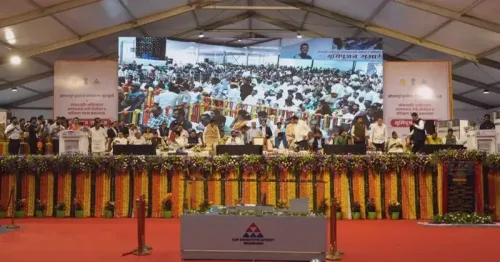
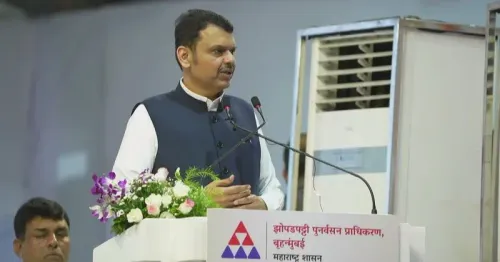
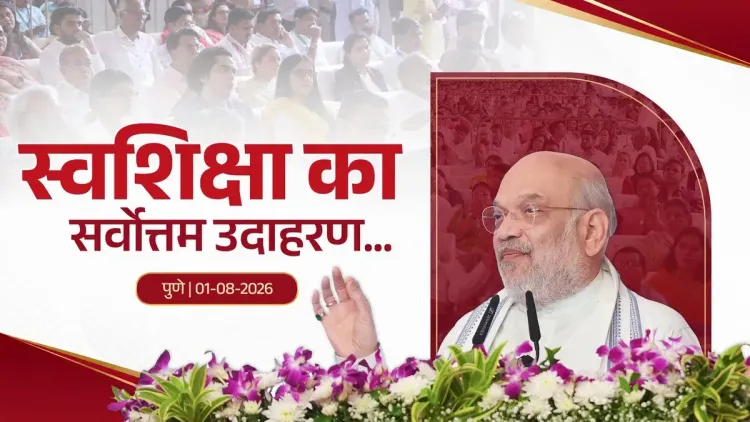
At the Lokmanya Tilak National Award 2026 ceremony in Pune, Union Home Minister Amit Shah called self-taught Dalit writer Annabhau Sathe the singular example of self-education in India. Maharashtra CM Devendra Fadnavis shared the tribute on X in both Marathi and Hindi.
Key Takeaways
Union Home Minister Amit Shah called Annabhau Sathe India's one and only example of how a person can educate themselves.
The remarks were made at the Lokmanya Tilak National Award 2026 ceremony in Pune on 1 August 2026 .
CM Devendra Fadnavis shared Shah's statement on X in both Marathi and Hindi, amplifying the tribute statewide and nationally.
Annabhau Sathe (1920–1969) was a self-taught writer from the Matang nomadic community, honoured with the titles Sahitya Ratna and Lokshahir .
Sathe's work centred the lives of Dalits and labourers in Marathi literature at a time when mainstream writing largely ignored them.
At a ceremony in Pune on 1 August 2026, Union Home Minister Amit Shah held up a largely self-taught writer from a nomadic tribe as the finest example of self-education in all of India — and Maharashtra Chief Minister Devendra Fadnavis made sure the tribute reached every corner of the state.
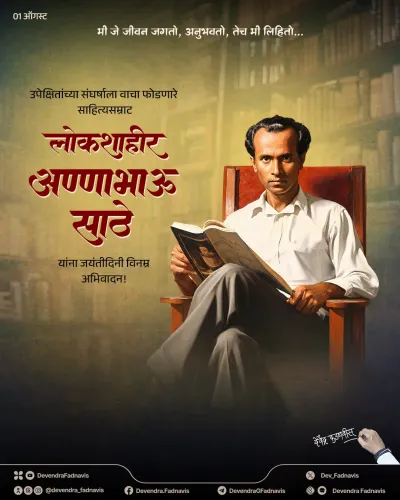
Sharing Shah's remarks from the Lokmanya Tilak National Award 2026 event, Fadnavis quoted the minister directly: 'Koi vyakti apne aap ko kaise shikshit karta hai' ('How a person educates themselves') — and Shah's answer was unequivocal: Sahitya Ratna Lokshahir Annabhau Sathe is the one and only example in the entire country.
Who Annabhau Sathe was — and why the tribute lands hard
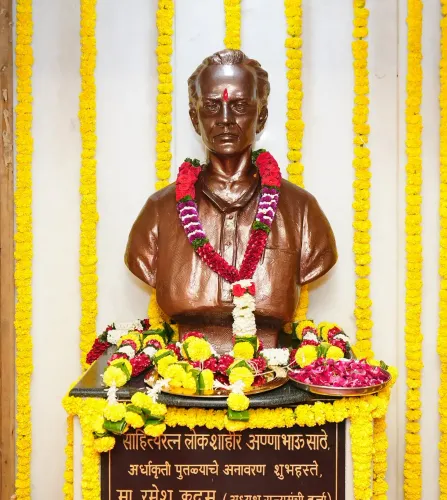
Annabhau Sathe (1920–1969) was born into the Matang community, a nomadic tribe that sat at the margins of Maharashtra's social order. Formal schooling was never a real option. Yet Sathe taught himself to read and write, and went on to produce novels, ballads, and tamasha folk performances that gave voice to labourers and Dalits at a time when mainstream literature barely acknowledged their existence. The state conferred on him the titles Sahitya Ratna (Jewel of Literature) and Lokshahir (People's Poet) — honours that stuck long after his death.
Shah's framing — singling out Sathe as a singular national model — is a pointed elevation of a regional, marginalised figure to all-India stature. At an event named after Bal Gangadhar Tilak, the nationalist icon who championed mass education a century ago, the pairing carries its own symbolic weight.
Why Fadnavis amplified this moment
Maharashtra's political leadership has a long tradition of invoking self-made cultural icons from the state's marginalised communities, particularly on platforms that blend literary prestige with national politics. By sharing Shah's exact words in both Marathi and Hindi, Fadnavis extended the reach of the tribute beyond the Pune auditorium to audiences across the linguistic divide — a deliberate act of amplification rather than mere reposting.
The Lokmanya Tilak National Award, presented annually in Pune, draws senior national figures and carries weight in Maharashtra's public life. Shah's appearance and his choice to centre Annabhau Sathe in his address signals a conscious effort to weave the Dalit literary tradition into a broader national narrative of aspiration and self-reliance.
Annabhau Sathe's story — no school, no privilege, and a body of work that outlasted every obstacle — remains one of Maharashtra's most potent arguments for what education, at its most radical, can look like. Shah named it. Fadnavis broadcast it. The rest is for the country to reckon with.
Point of View
Self-taught writer — to a singular national symbol of self-education at a high-profile award ceremony reflects a deliberate BJP outreach to Maharashtra's Dalit and OBC communities ahead of an active political cycle. Fadnavis amplifying the tribute in both Marathi and Hindi signals a coordinated effort to bridge regional literary pride with a pan-India aspirational narrative. The choice of the Lokmanya Tilak platform — historically associated with upper-caste nationalism — to foreground a marginalised icon is itself a political recalibration worth noting. Whether this translates into substantive policy attention for Dalit literary heritage or remains largely symbolic is the question Maharashtra's cultural community will be watching.
NationPress
15 Sept 2026
Frequently Asked Questions
Who was Annabhau Sathe?
Annabhau Sathe (1920–1969) was a Marathi writer, poet, and social activist from the Matang nomadic community in Maharashtra. Largely self-taught, he wrote novels and folk ballads depicting the lives of Dalits and labourers, and was honoured with the titles Sahitya Ratna and Lokshahir.
What did Amit Shah say about Annabhau Sathe?
At the Lokmanya Tilak National Award 2026 event in Pune on 1 August 2026, Shah called Annabhau Sathe the one and only example in all of India of how a person can educate themselves.
What is the Lokmanya Tilak National Award?
The Lokmanya Tilak National Award is an annual award presented in Pune in honour of nationalist leader Bal Gangadhar Tilak. It draws senior national figures and holds significant prestige in Maharashtra's public life.
Why did CM Fadnavis share Amit Shah's statement on X?
Fadnavis shared Shah's tribute in both Marathi and Hindi to extend the reach of the remarks beyond the Pune ceremony to a wider state and national audience, amplifying the recognition of Annabhau Sathe's legacy.
What titles was Annabhau Sathe given?
Annabhau Sathe was conferred the titles Sahitya Ratna (Jewel of Literature) and Lokshahir (People's Poet) by the Maharashtra state government in recognition of his literary contributions.