Amit Shah meets families of Punjab's anti-drug casualties in Ludhiana

Synopsis
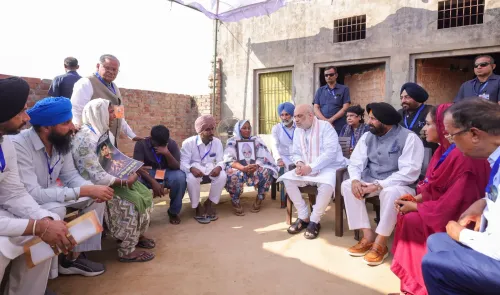
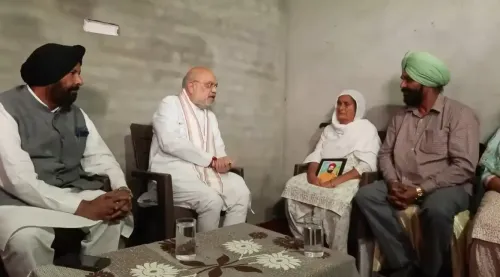
Union Home Minister Amit Shah visited Ludhiana on 20 October 2026 to meet families of those who lost their lives fighting drug abuse in Punjab's Gurdaspur, Sangrur and Mansa districts, then addressed the media — underlining New Delhi's active engagement with the state's narcotics crisis.
Key Takeaways
Amit Shah met bereaved families from Gurdaspur , Sangrur and Mansa — three Punjab districts hit hardest by the drug crisis — on 20 October 2026 .
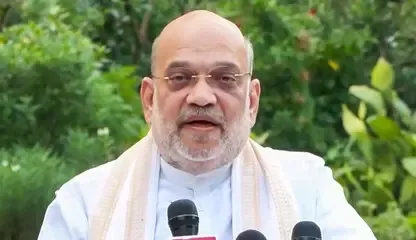
The Home Minister addressed the media in Ludhiana following those meetings, with a live broadcast linked in his post.
Gurdaspur is a documented cross-border drug-smuggling route from Pakistan; Mansa and Sangrur in the Malwa belt have recorded high narcotics-related casualties.
The Nasha Mukt Bharat Abhiyan , launched in August 2020 , is the central government's flagship demand-reduction scheme targeting a drug-free India by 2047 .
The Narcotics Control Bureau and Punjab Police have run intensified joint operations in border districts since 2019 .
Possible follow-up actions include compensation for affected families and new border surveillance announcements.
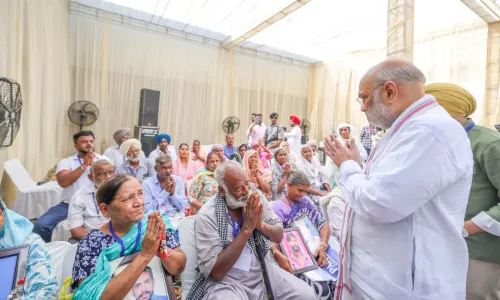
Grief does not wait for policy briefings. Union Home Minister Amit Shah on Tuesday, 20 October 2026 sat with the families of those who lost their lives fighting drug abuse in Gurdaspur, Sangrur and Mansa — three of Punjab's hardest-hit districts — before stepping out to address the media in Ludhiana.
Shah posted in Hindi and Punjabi: 'ਪੰਜਾਬ ਦੇ ਗੁਰਦਾਸਪੁਰ, ਸੰਗਰੂਰ ਅਤੇ ਮਾਨਸਾ ਵਿੱਚ ਨਸ਼ੇ ਦੇ ਖ਼ਿਲਾਫ਼ ਸੰਘਰਸ਼ ਕਰਦੇ ਹੋਏ ਆਪਣੀ ਜਾਨ ਗੁਆਉਣ ਵਾਲਿਆਂ ਦੇ ਪਰਿਵਾਰਕ ਮੈਂਬਰਾਂ ਨਾਲ ਮੁਲਾਕਾਤ' — 'After meeting family members of those who lost their lives fighting against drugs in Punjab's Gurdaspur, Sangrur and Mansa, I am speaking with media colleagues in Ludhiana.' The post linked to a live broadcast of that press address.
Why Gurdaspur, Sangrur and Mansa are at the centre of Punjab's drug crisis
Gurdaspur sits directly along the Indo-Pakistan border, making it a documented transit point for narcotics pushed through cross-border smuggling networks. Mansa and Sangrur, inland districts in the Malwa belt, have borne some of the state's heaviest tolls from drug dependency and the enforcement actions that follow it. The human cost Shah chose to foreground — families who lost members in the struggle against narcotics — underlines that the crisis has claimed lives not only through addiction but through the danger of confronting trafficking networks directly.
The Narcotics Control Bureau and Punjab Police have intensified joint operations in these border districts since 2019, resulting in reported seizures and encounters annually. Successive central governments have backed enforcement with demand-reduction programmes, most notably the Nasha Mukt Bharat Abhiyan, launched in August 2020 by the Ministry of Social Justice and Empowerment, which targets a drug-free India by 2047 through awareness campaigns, enforcement coordination and de-addiction centres.
A Home Minister in the field — and what the optics signal
Shah's decision to meet bereaved families before speaking to the press is a deliberate sequencing: grief first, politics second. For the Union Home Ministry, Punjab is not a routine state visit — it is a live theatre of internal-security concern, where narcotics enforcement intersects with border management, organised crime and political contestation. A senior central minister meeting casualty families sends a message simultaneously to the state government, enforcement agencies and the public that New Delhi is watching and counting the cost.
Analysts watching the visit will look for any announcements on compensation mechanisms for affected families, enhanced border surveillance or fencing projects, and fresh data on drug seizures — all of which could surface in the next parliamentary session's question hour. The broader pattern here is consistent: the Home Ministry uses high-visibility field visits to Punjab to reinforce central ownership of the anti-narcotics agenda, especially in districts where the state-centre relationship on law enforcement remains politically charged.
Point of View
Sangrur and Mansa is strategic: these districts carry the highest symbolic weight in the Punjab drug discourse, sitting at the intersection of border-security failure and social tragedy. Whether the visit translates into concrete relief for families or new operational resources will determine whether this is a policy signal or a political gesture.
NationPress
20 Oct 2026
Frequently Asked Questions
Why did Amit Shah visit Punjab in October 2026?
Amit Shah visited Punjab on 20 October 2026 to meet families of individuals who lost their lives fighting drug abuse in Gurdaspur, Sangrur and Mansa, and subsequently addressed the media in Ludhiana.
Which Punjab districts are most affected by drug trafficking?
Gurdaspur, along the Indo-Pakistan border, is a known narcotics smuggling corridor. Sangrur and Mansa in the Malwa belt have also recorded high casualties related to drug trafficking and enforcement operations.
What is the Nasha Mukt Bharat Abhiyan?
Nasha Mukt Bharat Abhiyan is a national campaign launched in August 2020 by the Ministry of Social Justice and Empowerment. It aims to create a drug-free India by 2047 through enforcement coordination, public awareness and support for de-addiction centres.
What role does the Narcotics Control Bureau play in Punjab?
The Narcotics Control Bureau coordinates with Punjab Police on anti-drug operations, particularly in border districts like Gurdaspur. Joint operations have been intensified since 2019, resulting in seizures and enforcement actions annually.
What follow-up actions could result from Shah's Punjab visit?
Analysts expect possible announcements on compensation for families of anti-drug casualties, enhanced border fencing or surveillance projects, and fresh drug-seizure statistics that could be raised during the next parliamentary session.