Amit Shah Plants Trees at Delhi Ridge Under 'Ek Ped Maa Ke Naam'
Synopsis
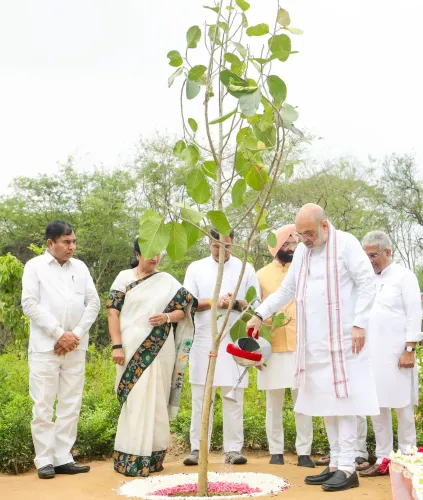
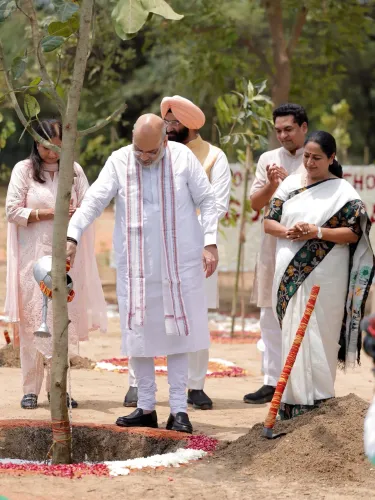
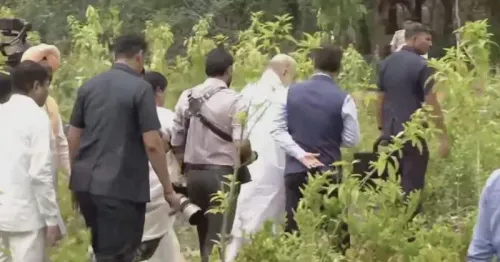
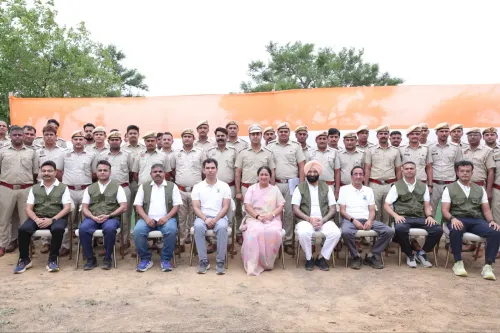
Union Home Minister Amit Shah joined the 'Ek Ped Maa Ke Naam' tree plantation drive at Nankpura Ridge in Delhi on 7 July 2026, calling the PM Modi-launched campaign a symbol of India's environmental resolve and cultural respect for nature, with the Delhi government also participating in Ridge rejuvenation.
Key Takeaways
Amit Shah planted trees at Nankpura Ridge, Delhi on 7 July 2026 under the 'Ek Ped Maa Ke Naam' campaign.
The campaign was launched by Prime Minister Narendra Modi on World Environment Day 2024 to promote citizen-led afforestation.
Shah described the drive as a symbol of India's commitment to environmental conservation and cultural reverence for nature.
The Delhi government has joined the campaign specifically to work on rejuvenating the Delhi Ridge , a protected urban forest zone.
The Delhi Ridge is critical for biodiversity, groundwater recharge, and air quality in the national capital.
The plantation coincides with the peak monsoon plantation season of July–August, optimal for sapling survival.
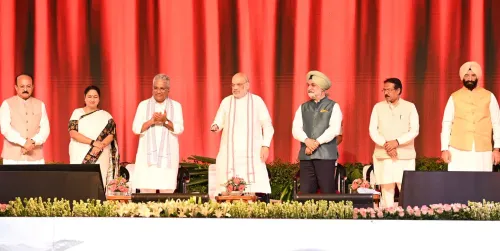
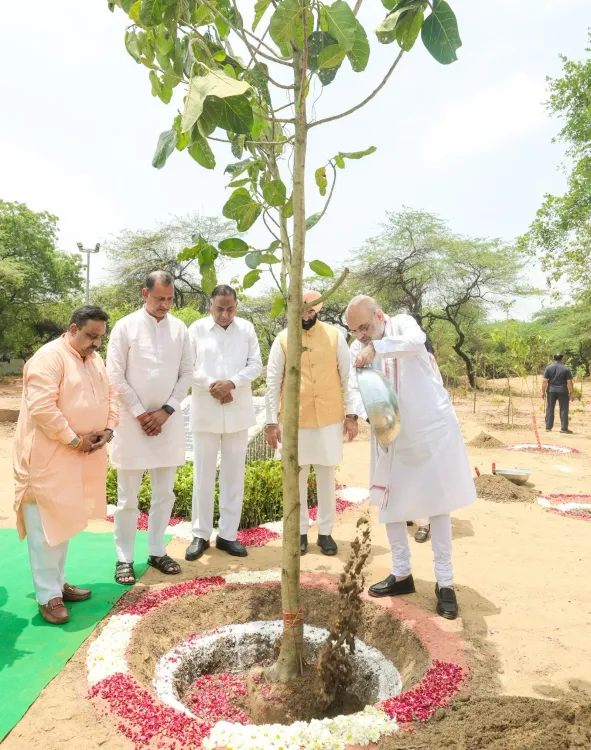
Union Home Minister Amit Shah participated in a tree plantation drive at Nankpura Ridge, Delhi, on Tuesday, 7 July 2026, under the 'Ek Ped Maa Ke Naam' (One Tree in Mother's Name) campaign, describing the initiative as a symbol of India's cultural reverence for nature and its commitment to environmental conservation.
Context
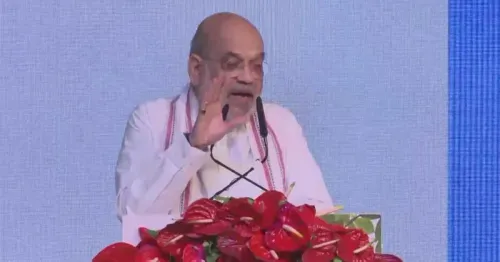
Posting on X, Shah wrote: 'Aaj Delhi ke Nankpura Ridge mein 'Ek Ped Maa Ke Naam' abhiyan ke tahat vriksharopan kiya' — 'Today I planted trees at the Nankpura Ridge in Delhi under the 'Ek Ped Maa Ke Naam' campaign.' He credited Prime Minister Narendra Modi with launching the drive, calling it a symbol of the resolve to protect the environment and of India's cultural respect for nature. He added that the Delhi government has joined the campaign to work towards rejuvenating the Delhi Ridge.
The 'Ek Ped Maa Ke Naam' campaign was launched by Prime Minister Modi on World Environment Day 2024, encouraging citizens across the country to plant saplings in honour of their mothers, blending ecological action with a deeply personal cultural sentiment.
Policy Backdrop
The Delhi Ridge is a protected forest zone that runs through parts of the national capital and plays a critical role in urban biodiversity, groundwater recharge, and air quality. It has been a focus of successive Master Plans for Delhi since 2001, with periodic central and state-level efforts to curb encroachment and restore green cover.
The 'Ek Ped Maa Ke Naam' initiative fits within a broader pattern of linking large-scale afforestation drives to cultural motifs to encourage mass public participation — an approach consistent with earlier programmes such as the Green India Mission and the urban forestry components of the National Action Plan on Climate Change. By framing tree-planting as an act of devotion to one's mother, the campaign has sought to move environmental action beyond policy compliance into everyday civic behaviour.
Stakeholders and Impact
Delhi residents stand to benefit directly from a healthier and more expansive Ridge forest, which acts as the city's green lung amid chronic pollution levels. Environmental groups have long advocated stronger protections for the Ridge, and the central government's visible participation in plantation drives lends institutional weight to those calls.
The involvement of the Delhi government alongside a senior Union minister signals a rare moment of administrative convergence on an environmental priority for the capital. The plantation season, which peaks during the monsoon months of July and August, provides the most favourable conditions for sapling survival and establishment.
What's Next
Attention will now turn to the scale of the Ridge rejuvenation effort — including how many saplings are planted, which species are prioritised, and what follow-up maintenance is committed to by both central and state agencies. The campaign's momentum across other states during the current plantation season will also be closely watched as a measure of the initiative's national reach in its third year.
Point of View
And a senior minister's visible involvement amplifies that signal. Coming in the third year since the campaign's launch, this event suggests the Centre is keen to sustain momentum and demonstrate tangible urban outcomes. The Ridge, long a flashpoint for encroachment disputes, becomes a test case for whether high-visibility political participation translates into durable on-the-ground restoration.
NationPress
6 Oct 2026
Frequently Asked Questions
What is the 'Ek Ped Maa Ke Naam' campaign?
'Ek Ped Maa Ke Naam' (One Tree in Mother's Name) is a tree plantation campaign launched by Prime Minister Narendra Modi on World Environment Day 2024, encouraging citizens to plant a sapling in honour of their mothers as an act of environmental and cultural commitment.
Where did Amit Shah plant trees today?
Amit Shah planted trees at the Nankpura Ridge in Delhi on 7 July 2026 as part of the 'Ek Ped Maa Ke Naam' campaign.
What is the Delhi Ridge and why is it important?
The Delhi Ridge is a protected forest zone running through parts of the national capital. It is vital for urban biodiversity, groundwater recharge, and controlling air pollution in Delhi.
Is the Delhi government involved in the 'Ek Ped Maa Ke Naam' campaign?
Yes, according to Amit Shah's post, the Delhi government has joined the 'Ek Ped Maa Ke Naam' campaign with a specific focus on rejuvenating the Delhi Ridge.
When is the best time for tree plantation drives in Delhi?
The monsoon months of July and August are considered the most favourable period for tree plantation in Delhi, as rainfall aids sapling establishment and survival.