26/11 anniversary: Amit Shah, Rajnath, Jaishankar honour victims
Synopsis
Eighteen years after 10 Lashkar-e-Taiba terrorists left 166 dead in Mumbai, three of India's most senior ministers used 26/11 to repeat one message: zero tolerance for terror. Jaishankar's pledge to bring those involved to justice is a reminder that, for India, the case is far from closed.
Key Takeaways
Home Minister Amit Shah , Defence Minister Rajnath Singh and External Affairs Minister S.
Jaishankar paid tribute to 26/11 victims on 26 November 2026 .
Shah said the Modi government's zero tolerance policy against terror is being praised worldwide.
Jaishankar reiterated India's commitment to bringing those involved to justice .
The 2008 attacks by 10 Lashkar-e-Taiba terrorists killed 166 people and injured around 300 .
Nine attackers were killed; Ajmal Amir Kasab was captured, sentenced to death in 2010 and executed in 2012 .
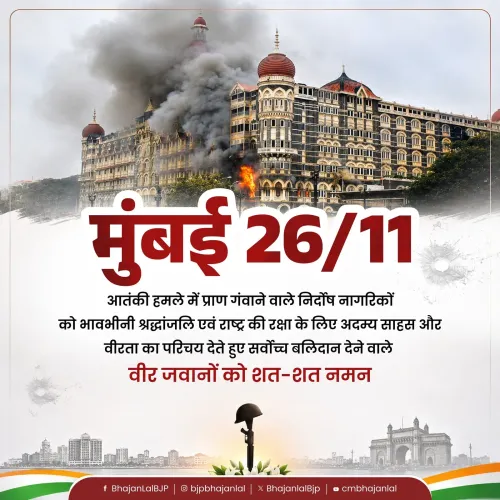
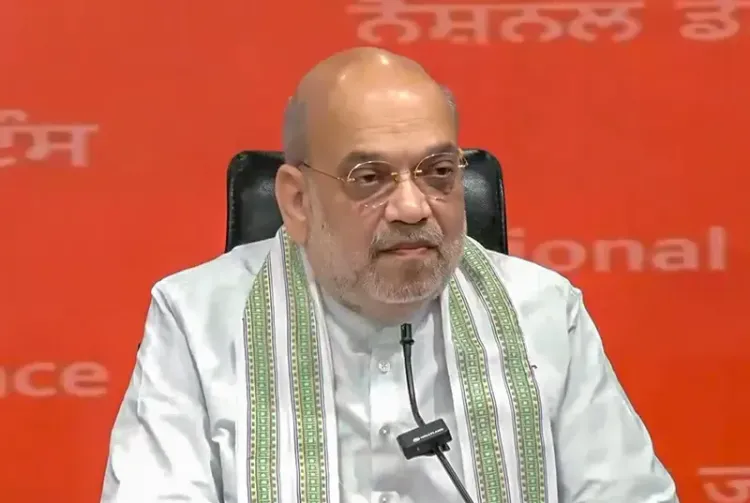
Union Home Minister Amit Shah on Thursday, 26 November 2026, paid tribute to the innocent people killed in the 26/11 Mumbai terror attacks and saluted the security personnel who died fighting the terrorists. Defence Minister Rajnath Singh and External Affairs Minister S. Jaishankar also honoured the victims on the 18th anniversary of the 2008 strikes. All three ministers reaffirmed the Centre's stance against terrorism.
What Amit Shah Said
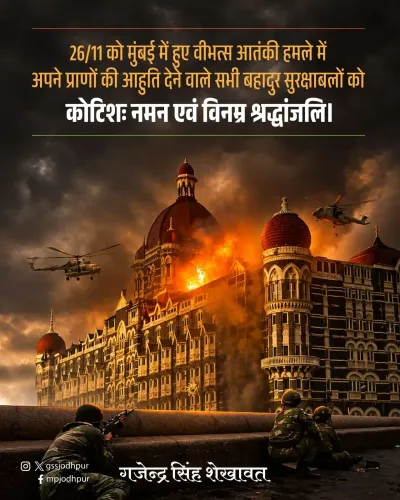
In a post on the social media platform X, Shah recalled the attacks as a moment that shook the country. “The cowardly terrorist attacks on Mumbai on this day in 2008 shook the entire nation. I salute the brave soldiers who laid down their lives while giving the terrorists a crushing response, and pay tribute to all the innocent people who lost their lives in these attacks,” he said.
Shah described terrorism as the gravest crime against humanity and pointed to the government's zero-tolerance approach. “Terrorism is the most heinous crime against humanity. The Modi government's 'zero tolerance' policy against terror is being praised worldwide. Today, India is playing a leading role in the global fight against terrorism, taking decisive action against every form of terror and every conspiracy,” he said.
Rajnath Singh and S. Jaishankar Honour the Fallen
Rajnath Singh remembered both the victims and the personnel who died defending the country. “Today, I pay my humble tributes to the victims of the 26/11 Mumbai terror attacks and remember the bravehearts who made the supreme sacrifice in defence of our nation,” he said.
Singh singled out the police and security forces who confronted the attackers. “I salute the courage, valour and unwavering dedication of our police and security personnel who stood firm in the face of terror. Their courage reflects the highest traditions of duty, sacrifice and service to the nation,” he added. He said their sacrifice would continue to inspire the country and reiterated India's commitment to eliminating terrorism in all its forms.
S. Jaishankar also paid tribute and tied the remembrance to accountability. “Remember innocent lives lost and salute the brave security personnel who made the supreme sacrifice during the 26/11 Mumbai terror attacks. Committed to combating terrorism in all its forms and manifestations and bringing those involved to justice. Zero tolerance for terrorism,” he said.
The 2008 Mumbai Attacks: Background
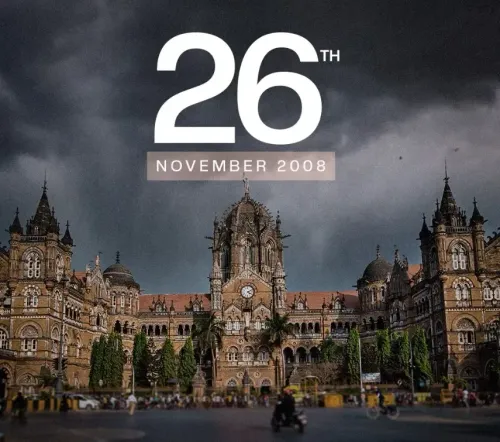
The attacks were carried out by 10 terrorists associated with the Pakistan-based Lashkar-e-Taiba. They began on the night of 26 November 2008 and continued until 29 November. Mumbai faced a series of coordinated strikes on prominent public places, hotels and other establishments.
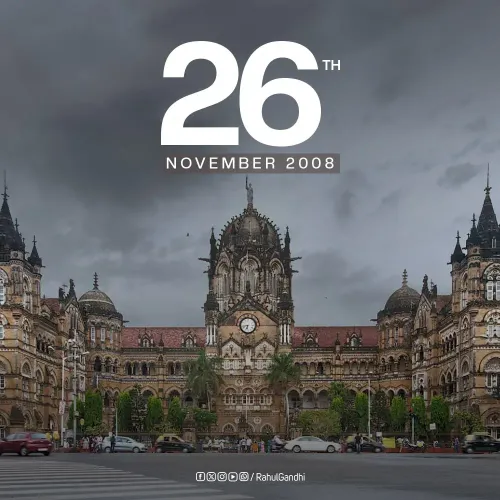
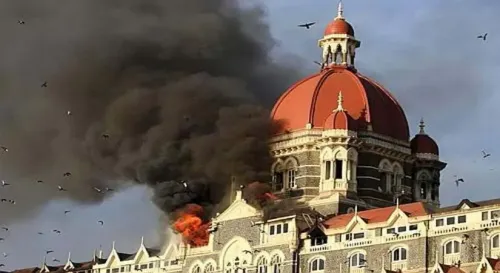
The targets included Chhatrapati Shivaji Terminus railway station, Leopold Cafe, two hospitals, Nariman House, and the Taj Mahal Palace and Oberoi-Trident hotels. The four-day siege killed 166 people and left around 300 injured.
Security forces killed nine of the 10 attackers during the operations. The tenth, Ajmal Amir Kasab, was captured alive. He was sentenced to death in 2010 and executed in 2012.
Why the Anniversary Still Matters
The common message from three senior Cabinet ministers shows how central counter-terrorism remains to the Centre's security and foreign policy. Shah focused on domestic resolve. Singh focused on the sacrifice of the forces. Jaishankar focused on justice and India's diplomatic position. Together, they reflect how the government presents its response to terror at home and abroad.
Eighteen years on, the 26/11 attacks remain one of the darkest chapters in India's history. They are also a lasting reminder of the sacrifices made by security personnel in the fight against terrorism.
Point of View
But the three ministers' wording shows a carefully coordinated message: domestic resolve from Shah, military sacrifice from Singh, and diplomatic accountability from Jaishankar. Jaishankar's phrase 'bringing those involved to justice' is the most telling line. Eighteen years later, India still treats 26/11 as unfinished business, because only one of the 10 attackers ever faced trial and the network behind the attack operated from across the border. The zero-tolerance claim will be judged less by anniversary statements and more by whether the masterminds are ever held to account.
NationPress
26 Nov 2026
Frequently Asked Questions
What did Amit Shah say on the 26/11 anniversary?
Amit Shah called the 2008 Mumbai attacks cowardly, saluted the soldiers who died fighting the terrorists, and paid tribute to the victims in a post on X. He also said the Modi government's zero-tolerance policy against terror is being praised worldwide.
How many people were killed in the 26/11 Mumbai attacks?
The 26/11 Mumbai attacks killed 166 people and left around 300 injured. The siege lasted from 26 to 29 November 2008.
Who carried out the 26/11 Mumbai terror attacks?
The attacks were carried out by 10 terrorists associated with the Pakistan-based Lashkar-e-Taiba. Nine were killed by security forces, and Ajmal Amir Kasab was captured alive.
Which places were targeted during the 26/11 attacks?
The terrorists attacked Chhatrapati Shivaji Terminus, Leopold Cafe, two hospitals, Nariman House, and the Taj Mahal Palace and Oberoi-Trident hotels in Mumbai.
What happened to Ajmal Kasab?
Ajmal Amir Kasab, the only attacker captured alive, was sentenced to death in 2010. He was executed in 2012.