Amit Shah in Pune: Read Gita Rahasya to avoid life's mistakes
Synopsis
Amit Shah used Tilak's death anniversary in Pune to urge youth to read Gita Rahasya — but his conspicuous silence on the NEET paper-leak protests raging across India, even as the Education Minister resigned and Parliament erupted, made what he didn't say as politically significant as what he did.
Key Takeaways
Amit Shah addressed youth in Pune on 1 August , urging them to read Lokmanya Tilak's Gita Rahasya to avoid mistakes in life.
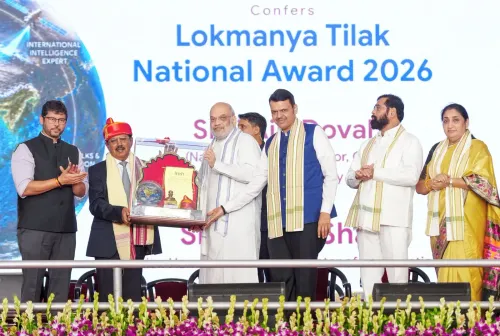
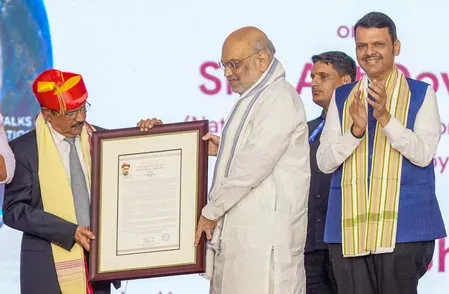
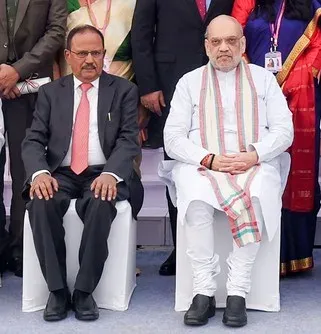
Shah presented the Lokmanya Tilak Award to NSA Ajit Doval at an event organised by the Tilak Smarak Trust .
The address came amid nationwide NEET paper-leak protests , police action at Jantar Mantar , and the resignation of Union Education Minister Dharmendra Pradhan .
Shah made no reference to the NEET agitation, drawing sharp criticism from Opposition leaders.
Shah linked Tilak's legacy of Swaraj , Swadeshi , and Ganesh Utsav to modern frameworks like Atmanirbhar Bharat .
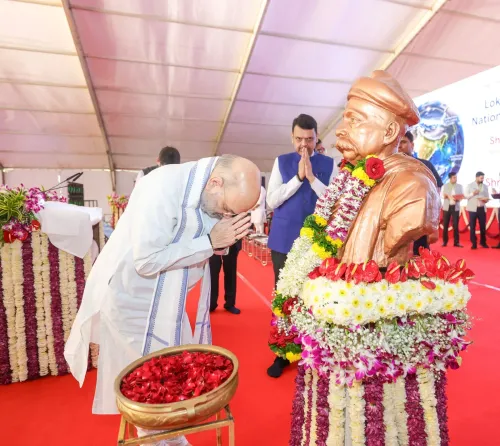
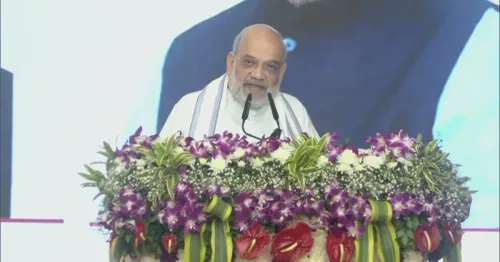
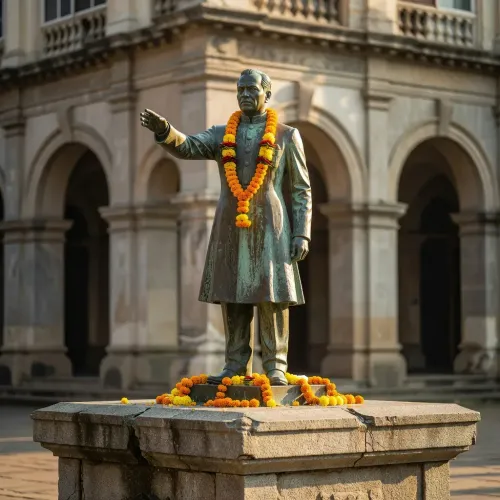
Union Home Minister Amit Shah on Saturday, 1 August urged Indian youth to read Lokmanya Bal Gangadhar Tilak's celebrated work Gita Rahasya, asserting it would steer them away from errors in life. Shah made the appeal in Pune while presenting the prestigious Lokmanya Tilak Award to National Security Advisor (NSA) Ajit Doval, and used the occasion to invoke Tilak's legacy of national awakening.
Shah's Appeal to Youth
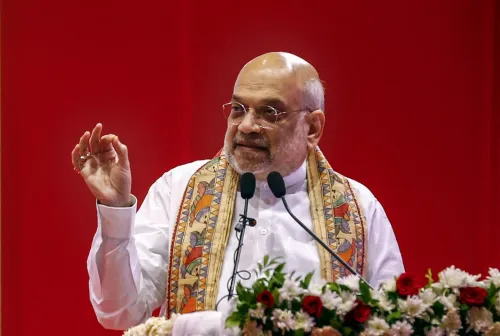
Speaking at the ceremony organised by the Tilak Smarak Trust, Shah said he had personally read Gita Rahasya in Gujarati and recommended it unreservedly. 'I obtained Lokmanya Tilak's Gita Rahasya in Gujarati. My appeal to the youth is this: Read Tilak's Gita, and I guarantee you will never make a mistake in your life. This text represents the practical essence of the Bhagavad Gita. It demonstrates how a common person can live according to its teachings,' Shah stated.
He drew attention to Tilak's journalistic legacy, noting that if there were any newspapers the British truly feared, they were Kesari and Mahratta. Shah credited those publications with playing a monumental role in the freedom struggle.
Tilak's Legacy and the Lokmanya Tilak Award
Delivering his address on Tilak's death anniversary, Shah highlighted how the freedom fighter transformed Swaraj (self-rule) into a mass movement, championed Swadeshi (indigenous production), and deployed cultural festivals such as Ganesh Utsav as instruments of social unity against colonial rule. 'Tilak believed that freedom achieved without awakening national consciousness holds no true value. Freedom must be earned by rousing the spirit of the nation,' Shah remarked.
Shah argued that Tilak's vision of self-reliance and economic nationalism continues to underpin modern policy frameworks such as Atmanirbhar Bharat. He added that when an individual performs extraordinary work for the nation, they transcend beyond being just an individual and become an institution — a sentiment he applied directly to NSA Doval in presenting him the award.
The NEET Backdrop Shah Did Not Address
Shah's remarks in Pune came against a charged political backdrop. In the days preceding the event, intense protests had erupted at Jantar Mantar over alleged NEET paper leaks, during which police reportedly used shock batons and tear gas, leaving several demonstrators injured. The agitation spread across the country, reportedly compelling the Centre to reconsider its position; Union Education Minister Dharmendra Pradhan subsequently resigned. The controversy also triggered a significant uproar in Parliament, with Prime Minister Narendra Modi addressing the youth through a video message.
Notably, Shah refrained from commenting on the NEET protests both before and during the Pune event, drawing sharp criticism from Opposition leaders. His choice to pivot to Tilak's teachings rather than engage with the student unrest was widely observed by political observers.
Significance of Honouring NSA Doval
Shah expressed confidence that conferring the Lokmanya Tilak Award on Ajit Doval would serve as a significant source of inspiration for citizens across all walks of life. He thanked the Tilak Smarak Trust for the invitation and described the act of honouring distinguished individuals as society's way of expressing collective gratitude while encouraging others to follow in their footsteps.
With the NEET controversy still unresolved and Parliament in session, Shah's Pune address is likely to face continued scrutiny over what he chose not to say as much as what he did.
Point of View
He sidestepped the most politically combustible issue of the week — the NEET paper leak and the student protests it triggered. The silence is telling: the Home Minister, who routinely leads on law-and-order narratives, chose not to engage with a crisis that cost the government its Education Minister and rattled Parliament. Whether that restraint reflects a deliberate strategy to let the controversy cool, or an inability to defend the indefensible, is a question Opposition leaders are already asking loudly.
NationPress
15 Sept 2026
Frequently Asked Questions
What did Amit Shah say about Gita Rahasya?
Amit Shah urged youth to read Lokmanya Tilak's Gita Rahasya, saying it represents the practical essence of the Bhagavad Gita and guarantees one will never make a mistake in life. He said he had personally read the book in Gujarati.
Who received the Lokmanya Tilak Award in 2024?
National Security Advisor Ajit Doval received the Lokmanya Tilak Award at a ceremony in Pune on 1 August, presented by Union Home Minister Amit Shah. The award was conferred by the Tilak Smarak Trust on Tilak's death anniversary.
Why was Amit Shah criticised during the Pune event?
Shah faced criticism from Opposition leaders for refusing to comment on the NEET paper-leak protests, which had led to police action at Jantar Mantar and the resignation of Education Minister Dharmendra Pradhan. Critics argued the Home Minister's silence on a national student crisis was politically motivated.
What is Gita Rahasya and who wrote it?
Gita Rahasya is a philosophical work written by freedom fighter Lokmanya Bal Gangadhar Tilak, offering a practical interpretation of the Bhagavad Gita. Tilak wrote it while imprisoned by the British, and it remains one of the most significant texts in Indian nationalist thought.
How did Amit Shah connect Tilak's legacy to present-day India?
Shah argued that Tilak's emphasis on Swaraj, Swadeshi, and cultural unity through festivals like Ganesh Utsav forms the philosophical foundation of modern initiatives such as Atmanirbhar Bharat. He credited Tilak's newspapers Kesari and Mahratta with playing a monumental role in awakening national consciousness against colonial rule.