Shekhawat at IIC seminar: AI must be guided by ethics
Synopsis
Union Culture Minister Gajendra Singh Shekhawat addressed a national seminar on AI and authorship at India International Centre, New Delhi on 2 June 2026, asserting that India's embrace of artificial intelligence will not come at the cost of ethical responsibility, and linking the country's AI approach to its cultural traditions under PM Modi's leadership.
Key Takeaways
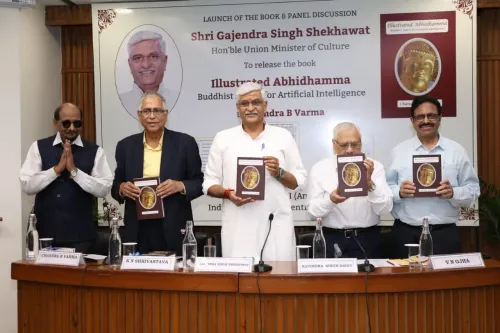
Union Culture and Tourism Minister Gajendra Singh Shekhawat spoke at the 'Authorless Horizons: AI, Authorship, and the Emerging Creative Ecosystem' seminar on 2 June 2026 .
The event was held at the India International Centre, New Delhi .
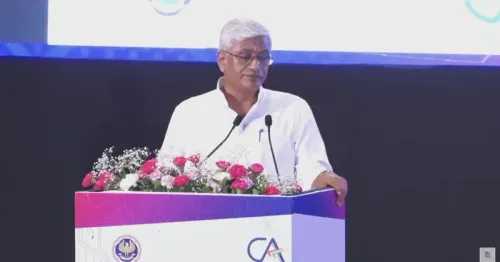
Shekhawat stated that ethics is intrinsic to India's identity and must remain central to the country's AI journey.
He credited Prime Minister Narendra Modi's leadership for embedding ethical responsibility into national policy thinking.
India's AI ethics framework traces back to the NITI Aayog National Strategy for AI (#AIforAll) released in 2018 .
The minister's remarks signal the Culture Ministry's intent to keep human creative rights central to any AI governance framework.
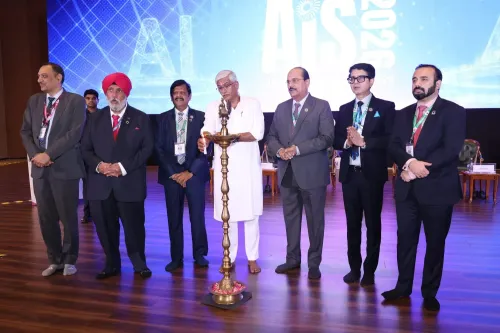
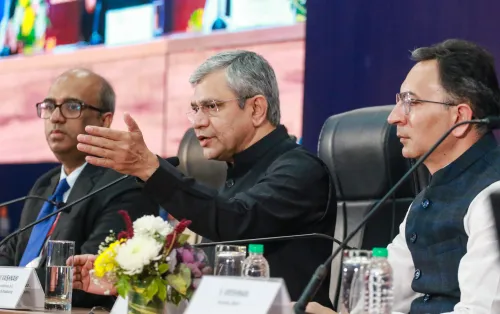
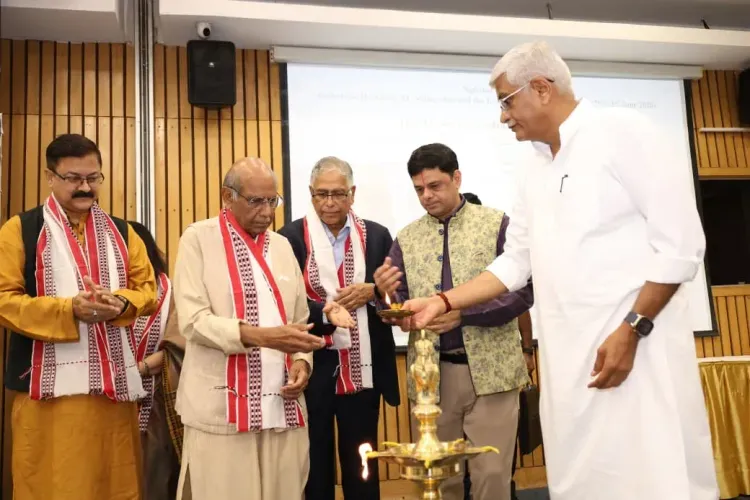
Union Culture and Tourism Minister Gajendra Singh Shekhawat on Tuesday, 2 June 2026 addressed a national seminar on artificial intelligence, authorship and creativity at the India International Centre (IIC), New Delhi, stressing that India's engagement with AI must remain anchored in ethical responsibility.
Context
The seminar, titled 'Authorless Horizons: AI, Authorship, and the Emerging Creative Ecosystem', brought together voices from literature, culture and technology policy to examine how generative AI is reshaping creative industries and intellectual-property frameworks. Shekhawat participated in the discussions, sharing his perspective on writing rights, creativity and ethics.
In his remarks — posted in Hindi on social media — the minister said: 'Bharat ki aatma mein naitikta hai' ('Ethics is in India's soul'), adding that since Prime Minister Narendra Modi assumed leadership, ethical responsibility has flowed through the nation's thought process as an indispensable obligation.
Policy Backdrop
India's formal engagement with AI ethics dates to 2018, when NITI Aayog released the National Strategy for Artificial Intelligence — #AIforAll, which established ethics and social inclusion as foundational pillars of the country's AI roadmap. The Modi government has since consistently framed emerging technologies through the lens of Indian cultural traditions, linking digital advancement to questions of moral responsibility.
Successive events convened by the Culture Ministry and the Ministry of Electronics and Information Technology have drawn explicit connections between AI deployment, intellectual-property rights and India's civilisational heritage. The IIC seminar continues that pattern, situating a cutting-edge technology debate within a broader cultural and ethical discourse.
Stakeholders and Impact
The seminar's themes bear directly on authors, poets, screenwriters and other creative professionals who face growing uncertainty about copyright ownership when AI systems generate or substantially assist in producing content. Shekhawat's statement that India will not 'turn away from the responsibility of upholding ethics' signals that the Culture Ministry intends to keep human creative rights at the centre of any policy framework.
AI developers and technology companies operating in India's creative economy will also be watching closely, as ministerial positions expressed at such forums often feed into legislative and regulatory deliberations. The minister underlined that 'no matter the field, the interrelationship between modernity and ethics in our culture will endure.'
What's Next
Observers will track whether the Culture Ministry or the Ministry of Electronics and Information Technology issues follow-up guidance on AI copyright norms for creative works. Parliamentary debate on provisions of the proposed Digital India Act that touch on generative AI and intellectual property is also expected to intensify in coming months.
Shekhawat's intervention at the IIC places the Culture Ministry squarely in conversations that have until now been led largely by technology and legal ministries — a signal that heritage, creativity and ethical governance of AI may increasingly be treated as interlinked policy priorities in New Delhi.
Point of View
He aligns the ministry's position with the government's broader narrative of technology-with-tradition. The emphasis on authorship rights also suggests the ministry may seek a role in shaping intellectual-property provisions of the forthcoming Digital India Act. If the Culture Ministry becomes a formal stakeholder in AI governance, it could tilt regulatory outcomes toward stronger protections for human creators.
NationPress
19 Sept 2026
Frequently Asked Questions
What is the 'Authorless Horizons' seminar about?
'Authorless Horizons: AI, Authorship, and the Emerging Creative Ecosystem' is a national seminar held at India International Centre, New Delhi on 2 June 2026, focused on how artificial intelligence affects authorship rights, creativity and ethical responsibilities in the creative sector.
What did Culture Minister Shekhawat say about AI and ethics?
Minister Shekhawat said India is enthusiastic about AI but will not turn away from ethical responsibility, emphasising that the relationship between modernity and ethics is inseparable in Indian culture.
What is India's official policy on AI ethics?
India's formal AI ethics framework was established in 2018 through NITI Aayog's National Strategy for Artificial Intelligence (#AIforAll), which placed ethics and social inclusion at the core of the country's AI approach.
Why is the Culture Ministry involved in AI policy discussions?
The Culture Ministry's involvement reflects the government's approach of framing technology policy through Indian cultural and ethical traditions, particularly on issues like intellectual property and creative rights that directly affect authors and artists.
What could follow from Shekhawat's remarks at the IIC seminar?
Follow-up action could include Culture Ministry input into AI copyright guidelines and parliamentary debate on generative AI provisions within the proposed Digital India Act.