Shekhawat Highlights Jodhpur Airport as Heritage-Meets-Growth Hub
Synopsis
Union Culture and Tourism Minister Gajendra Singh Shekhawat on 14 July 2026 spotlighted Jodhpur Airport, framing it as a meeting point of heritage identity and new development, signalling the ministry's push to integrate cultural branding with aviation infrastructure in Rajasthan.
Key Takeaways
Union Minister Gajendra Singh Shekhawat posted on 14 July 2026 highlighting Jodhpur Airport under the theme of heritage and development.
His post read 'विरासत की पहचान - विकास की नई उड़ान' — 'The identity of heritage — a new flight of development' — with the hashtag #JodhpurAirport .
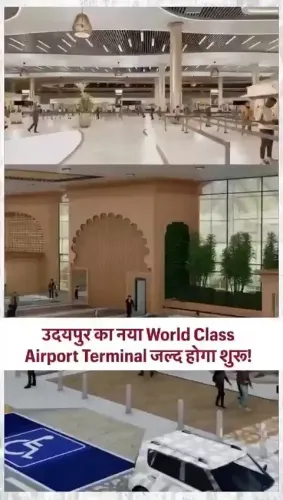
The post included a video , suggesting a visual showcase of infrastructure or branding work at the airport.
India's UDAN scheme , launched in 2016 , has been the central policy framework for regional airport upgrades across the country.
Rajasthan's airports serve as critical entry points for tourists visiting the state's forts, palaces, and desert attractions.
Further announcements on terminal upgrades or heritage-themed branding at Rajasthan airports are expected from state and central authorities.
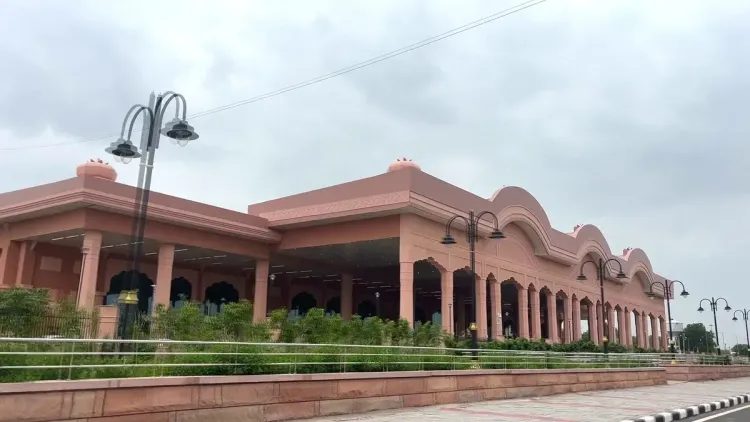
Union Culture and Tourism Minister Gajendra Singh Shekhawat on Tuesday, 14 July 2026, invoked the twin themes of heritage identity and development momentum in a post spotlighting Jodhpur Airport, underscoring the Blue City's growing role as a gateway where cultural legacy and modern aviation ambition converge.
Context
Shekhawat's post — 'विरासत की पहचान - विकास की नई उड़ान' ('The identity of heritage — a new flight of development') paired with the hashtag #JodhpurAirport — is brief but pointed. As the Lok Sabha MP from Jodhpur, he has a direct political and personal stake in the city's infrastructure trajectory, and the framing deliberately links the airport's expansion narrative to Jodhpur's centuries-old cultural identity.
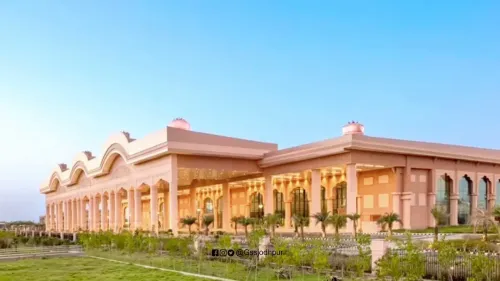
The post was accompanied by a video, suggesting a visual showcase of either ongoing development work or a newly unveiled element at the airport. The exact nature of the development highlighted in the video could not be independently verified at the time of publication.
Policy Backdrop
Jodhpur Airport is a domestic facility serving the city and surrounding districts of Rajasthan, and has been part of India's broader push to modernise regional airports. The central government's UDAN (Ude Desh ka Aam Naagrik) scheme, launched in 2016, has been the primary policy vehicle for expanding regional air connectivity and upgrading underserved airports across the country.
India has simultaneously pursued airport modernisation and tourism promotion, with several tier-2 city airports incorporating local heritage aesthetics into terminal design and branding. This approach positions cultural identity not merely as an aesthetic choice but as an economic signal to tourists, investors, and airlines considering new routes.
Rajasthan, as one of India's top tourism destinations, has been a natural candidate for this convergence. Airports in the state serve as the first physical impression for millions of domestic and international visitors heading to its forts, palaces, and desert landscapes.
Stakeholders and Impact
The primary beneficiaries of any upgrade or rebranding at Jodhpur Airport would be the tourism sector — hotels, heritage properties, tour operators, and local artisans — who depend on air passenger volumes for footfall. Improved or heritage-branded infrastructure can meaningfully influence traveller perception and route planning by airlines.
The aviation sector stands to gain as well, with modernised facilities making a stronger case for airlines to launch or expand services to Jodhpur. For residents of the city and surrounding districts, better airport infrastructure translates into improved connectivity for business and personal travel.
As Union Minister of Culture and Tourism, Shekhawat's public endorsement of the airport's development also signals that the ministry views infrastructure investment and cultural branding as inseparable levers for driving tourist arrivals to Rajasthan.
What's Next
Watchers of Rajasthan's aviation and tourism landscape will look for follow-up announcements from the state government or the Airports Authority of India on terminal upgrades, new route launches, or heritage-themed infrastructure elements at Jodhpur and other Rajasthan airports. Shekhawat's post may be a precursor to a formal announcement or an endorsement of work already under way. The broader pattern suggests that airports in culturally significant tier-2 cities will increasingly serve as showcases for India's dual ambition of connectivity and cultural pride.
Point of View
Seeking to give modernisation a culturally resonant identity. For Shekhawat personally, amplifying Jodhpur Airport's development story reinforces his credentials as a deliverer for his home turf ahead of any future electoral cycle. The post also subtly signals to the tourism industry that the Union Ministry of Culture and Tourism views aviation connectivity as a front-line tool for driving visitor numbers, not merely a transport ministry concern.
NationPress
12 Oct 2026
Frequently Asked Questions
What did Gajendra Singh Shekhawat say about Jodhpur Airport?
Shekhawat posted on 14 July 2026 framing Jodhpur Airport as a symbol of heritage identity and new development, using the phrase 'The identity of heritage — a new flight of development' alongside the hashtag #JodhpurAirport.
What is the UDAN scheme and how does it relate to Jodhpur Airport?
UDAN — Ude Desh ka Aam Naagrik — is a central government scheme launched in 2016 to improve regional air connectivity and upgrade underserved airports. Jodhpur Airport has been part of India's broader regional airport modernisation push under this and related initiatives.
Why is Jodhpur Airport significant for Rajasthan tourism?
Jodhpur Airport serves as a key entry point for tourists visiting Rajasthan's forts, palaces, and desert landscapes. Improved infrastructure and connectivity at the airport can directly boost tourist arrivals and benefit the local hospitality and cultural economy.
What is Gajendra Singh Shekhawat's role in the central government?
Gajendra Singh Shekhawat is the Union Minister of Culture and Tourism, a senior BJP leader, and the Lok Sabha MP representing Jodhpur, Rajasthan.
What is India's approach to integrating heritage with airport infrastructure?
India has pursued a policy of incorporating local heritage aesthetics and cultural branding into airport terminal design, particularly in tier-2 cities with strong tourism identities, positioning airports as both connectivity hubs and cultural showcases.