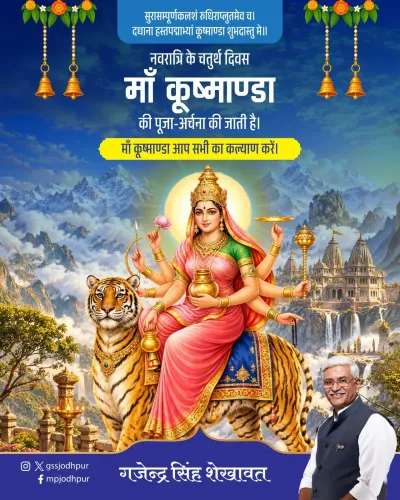
Shekhawat Greets Nation on Maa Katyayani Puja, Navratri Day 6
Synopsis
Union Culture and Tourism Minister Gajendra Singh Shekhawat marked the sixth day of Navratri 2026 with a Sanskrit shloka honouring Maa Katyayani, invoking the goddess as Mahishasura-mardini and seeking her enduring blessings for devotees.
Key Takeaways
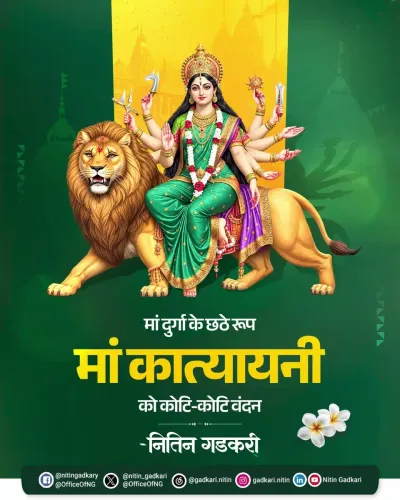
Navratri Day 6 is dedicated to Maa Katyayani , the sixth of the nine Navadurga forms, revered as the slayer of demonic forces.
Union Culture and Tourism Minister Gajendra Singh Shekhawat shared a Sanskrit shloka and devotional message on 16 October 2026 .
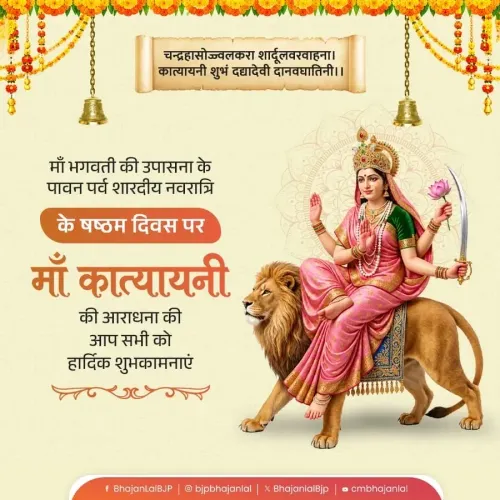
The shloka describes Katyayani as bearing a brilliant sword ( chandrahasa ), riding a lion ( shardula ), and destroying demons ( danavaghatini ).
Shekhawat referred to the goddess as Mahishasura-mardini , invoking her victory over the buffalo demon Mahishasura.
The post reflects a broad pattern of senior Indian political leaders publicly marking each day of Navratri on social media.
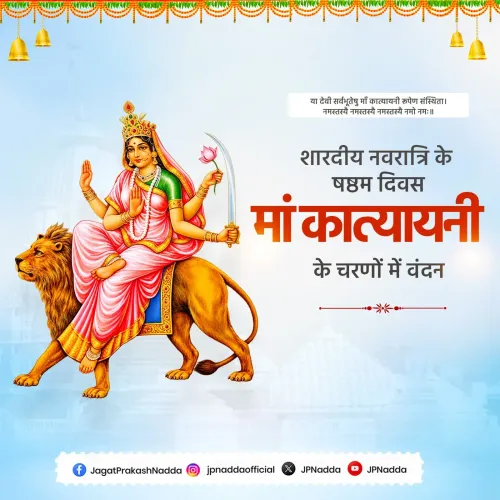
On the sixth day of Navratri, Union Culture and Tourism Minister Gajendra Singh Shekhawat invoked the blessings of Maa Katyayani — the fierce, lion-mounted sixth form of Goddess Durga — with a Sanskrit shloka and a message of devotion to the nation's faithful.
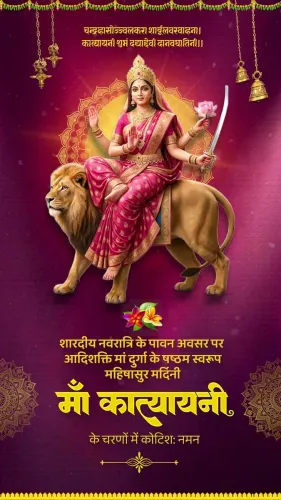
Shekhawat's post opened with the traditional verse: 'Chandrahasojjvalakara, Shardulavaravahana. Katyayani shubham dadyat, devi danavaghatini' — invoking the goddess who wields the brilliant sword, rides the mighty lion, and slays the forces of darkness. He described this form of Maa Adishakti as supremely magnificent and one whose grace yields unfailing fruit. The post closed with a salutation to her as Mahishasura-mardini — the slayer of the buffalo demon — with a prayer for her blessings to remain forever.
Katyayani: The Warrior Goddess of the Sixth Night
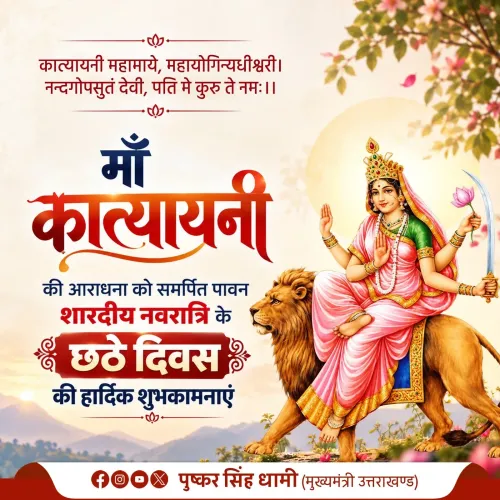
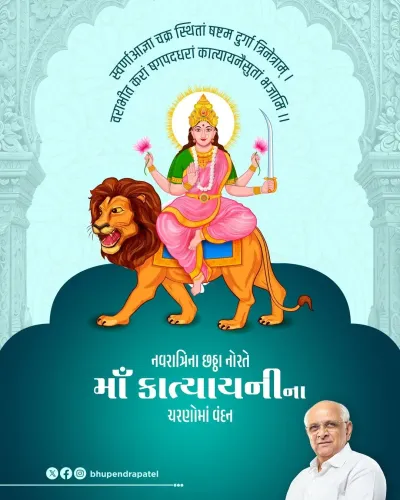
Among the Navadurga — the nine forms of Durga venerated across the nine nights — Maa Katyayani holds a distinct place in Hindu scripture and devotional tradition. Born from the collective energy of the gods to vanquish demonic forces, she is described in classical texts as radiant, four-armed, and mounted on a lion. The name Mahishasura-mardini, which Shekhawat invokes, refers to her definitive act: the defeat of the buffalo demon Mahishasura, one of Hinduism's most celebrated victories of good over evil.
Ministers, Festivals, and the Culture Portfolio
For a minister who holds the Culture portfolio, Navratri greetings carry a degree of institutional weight beyond personal piety. Shekhawat, a Lok Sabha MP from Jodhpur, Rajasthan and a senior figure in the BJP, is among the many elected leaders who mark each of the nine days publicly — a pattern that runs deep in Indian political culture across party lines. The remaining days of Navratri will likely see similar salutations to the forms of Durga that follow, as the festival builds toward Maha Navami and Vijayadashami.
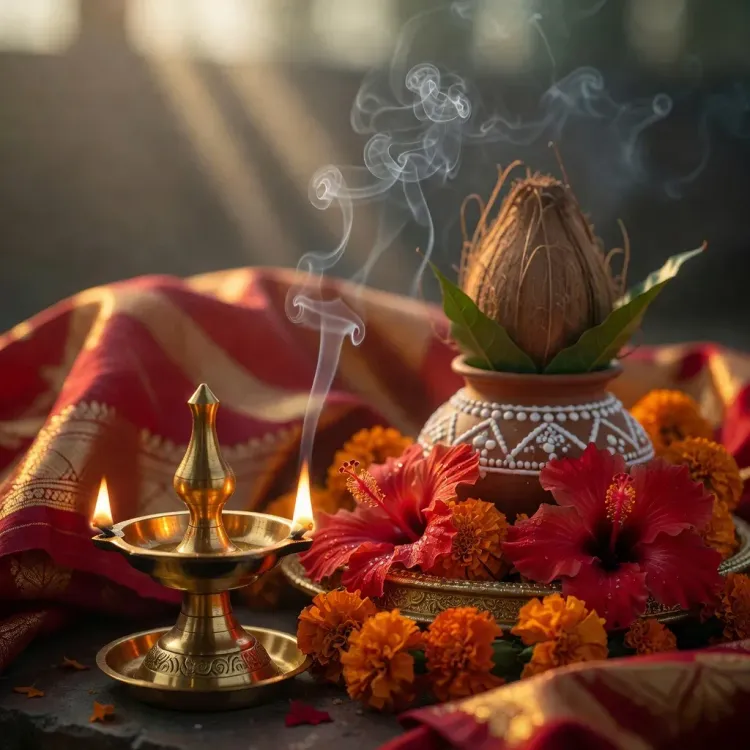
On the sixth night, the lamp burns for Katyayani — and from the Culture Ministry to millions of households, the prayer is the same: 'Apni kripa sadaiv banaye rakhein' — may your grace always remain.
Point of View
Marking each Navadurga with scriptural precision rather than a generic greeting is a deliberate act of cultural signalling — one that positions the ministry as a custodian of living religious tradition, not just heritage monuments. Shekhawat's invocation of Mahishasura-mardini, a form deeply embedded in pan-Indian devotional consciousness, speaks to a broader BJP strategy of aligning governance identity with Hindu festive cycles. It is routine, yes — but routine that accumulates into a sustained cultural narrative. As Navratri approaches its final days, watch whether any linked ministry-level cultural programmes or announcements follow the devotional cadence.
NationPress
16 Oct 2026
Frequently Asked Questions
Which goddess is worshipped on the sixth day of Navratri?
The sixth day of Navratri is dedicated to Maa Katyayani, the sixth form of the Navadurga. She is depicted as four-armed, riding a lion, and is revered as a destroyer of evil forces including the demon Mahishasura.
What is the meaning of the Katyayani shloka shared by Shekhawat?
The shloka — 'Chandrahasojjvalakara, Shardulavaravahana, Katyayani shubham dadyat, devi danavaghatini' — translates as: 'She who holds the brilliant sword, whose mount is the noble lion, may Katyayani bestow auspiciousness; she is the goddess who slays the demons.'
Who is Gajendra Singh Shekhawat?
Gajendra Singh Shekhawat is India's Union Minister of Culture and Tourism, a senior BJP leader, and a Lok Sabha MP representing the Jodhpur constituency in Rajasthan.
What does Mahishasura-mardini mean?
Mahishasura-mardini means 'the one who killed Mahishasura' — referring to Goddess Durga's victory over the buffalo demon Mahishasura, one of the most celebrated episodes in Hindu mythology.
When is Navratri 2026?
Navratri is a nine-night Hindu festival celebrated in autumn each year. In 2026, the sixth day fell on 16 October, when Maa Katyayani is worshipped.