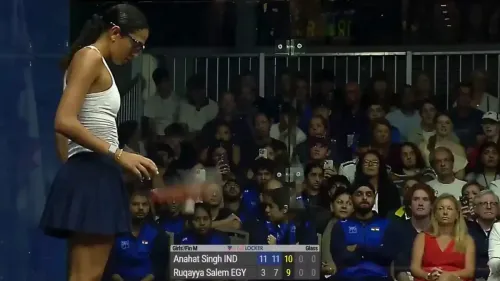
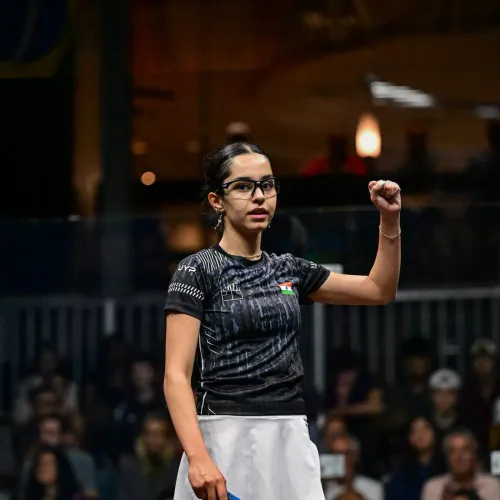
Shekhawat Hails Anahat Singh's Historic World Junior Squash Title
Synopsis
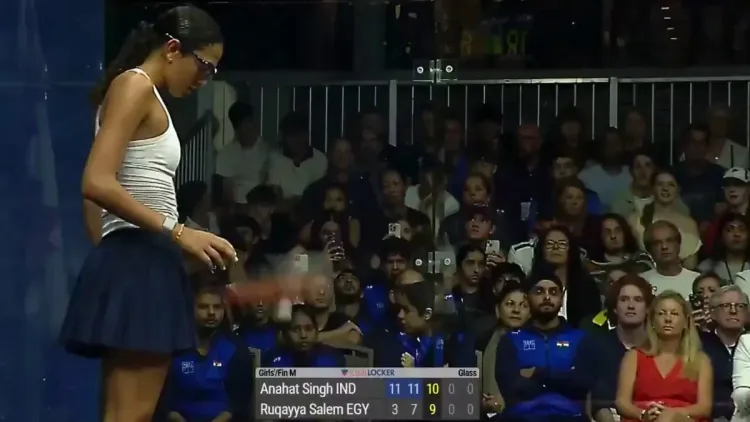
Anahat Singh has become the first Indian to win the World Junior Squash Championship, with Union Minister Gajendra Singh Shekhawat hailing the achievement as a historic moment of national pride on 26 July 2026.
Key Takeaways
Anahat Singh has won the World Junior Squash Championship , becoming the first Indian ever to claim the title.
Union Culture and Tourism Minister Gajendra Singh Shekhawat publicly congratulated her on 26 July 2026 via X.
The World Junior Squash Championship is organised by the World Squash Federation for players under 19.
India's Khelo India programme , launched in 2017 , has supported grassroots talent pipelines in squash and other racket sports.
The victory is expected to boost institutional interest in squash academies and junior athlete support across India.
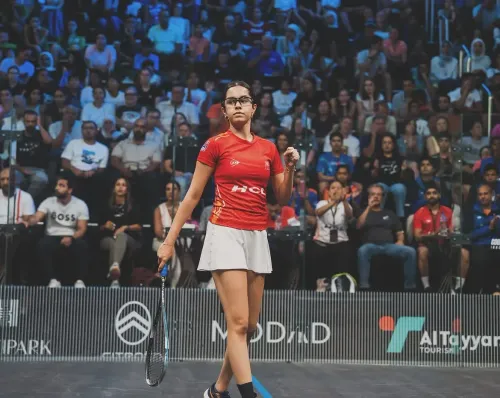
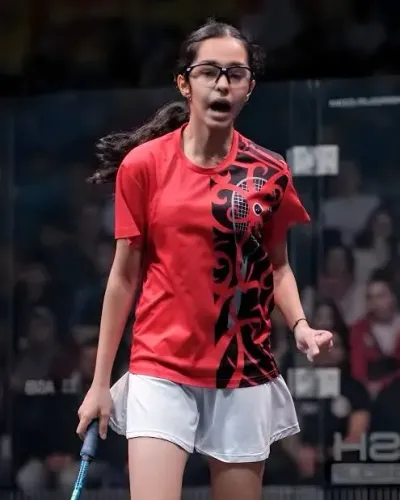
Union Culture and Tourism Minister Gajendra Singh Shekhawat on Sunday, 26 July 2026, congratulated Indian squash prodigy Anahat Singh after she became the first Indian to win the World Junior Squash Championship, describing the achievement as a moment of pride for the entire nation.
Posting on X, Shekhawat wrote: 'भारत की मेधावी बेटी अनाहत सिंह ने विश्व जूनियर स्क्वैश चैंपियनशिप जीतकर इतिहास रच दिया है' ('India's talented daughter Anahat Singh has created history by winning the World Junior Squash Championship'). He noted she is the first Indian to claim this prestigious title and extended his heartfelt congratulations and best wishes to her.
Context
The World Junior Squash Championship, organised annually by the World Squash Federation, is the premier international title for players under the age of 19. Winning it places a player among the most accomplished junior squash athletes in the world. Anahat Singh's victory marks a landmark moment in Indian squash, a sport that has historically seen the country compete at the fringes of global junior circuits.
India has made incremental gains in racket sports over the past decade, and Anahat's title represents the most significant breakthrough at the junior world level in squash to date. Senior government figures have been quick to amplify the achievement, reflecting the broader national emphasis on celebrating individual sporting excellence.
Policy Backdrop
India's investment in grassroots sports infrastructure has grown steadily since the launch of the Khelo India programme in 2017, which was designed to identify and nurture talent across disciplines, including racket sports such as squash. The programme has supported training pipelines that feed into national and international junior competitions.
Government messaging around junior world titles has consistently framed such victories within the larger narrative of sports promotion and national pride, reinforcing political and institutional support for athlete development at the grassroots level.
Stakeholders and Impact
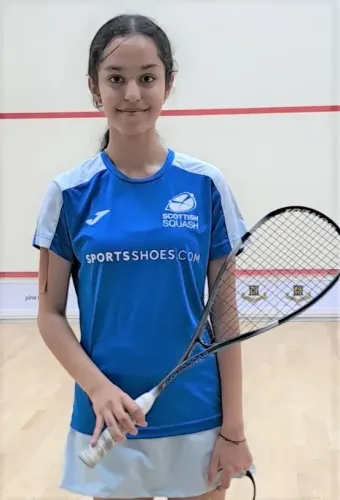
Anahat Singh, who has been a prominent name on the junior squash circuit, now carries the distinction of being India's first World Junior Squash Champion. Her win is expected to draw greater attention and institutional support toward squash academies and training centres across the country.
Young athletes and the broader squash community stand to benefit from the heightened visibility this title brings. Sponsors, state sports bodies, and federations are likely to reassess investment in junior squash infrastructure in the wake of this result.
What's Next
Attention will now turn to Anahat Singh's transition into senior international competition and whether the government will announce fresh support for squash development — including academy funding or inclusion in elite athlete programmes — ahead of the next Asian Junior or World Junior cycles.
Her historic win also sets a new benchmark for Indian junior squash and is likely to inspire a new generation of players to pursue the sport at the competitive level, potentially reshaping the country's presence in global squash rankings over the coming years.
Point of View
And the speed with which a senior Union Minister amplified it signals how closely the current government ties sporting firsts to its broader narrative of national achievement. The congratulatory post from Shekhawat — whose portfolio spans culture and tourism rather than sports — underscores a pattern where Cabinet ministers across departments participate in celebrating youth sporting milestones, widening the political dividend from such wins. This moment is also a stress-test for the Khelo India pipeline: if a world junior champion has emerged from the system, the government will face sharper scrutiny over whether follow-through investment in senior squash infrastructure matches the celebratory rhetoric. Anahat's trajectory into senior competition will be the real measure of whether India's sports promotion framework can convert a historic junior title into sustained global competitiveness.
NationPress
26 Jul 2026
Frequently Asked Questions
Who is Anahat Singh and what has she won?
Anahat Singh is an Indian junior squash player who won the World Junior Squash Championship, becoming the first Indian ever to claim the title.
What is the World Junior Squash Championship?
The World Junior Squash Championship is an annual international tournament organised by the World Squash Federation for squash players under the age of 19.
Why did Gajendra Singh Shekhawat congratulate Anahat Singh?
As Union Culture and Tourism Minister and a senior government figure, Shekhawat posted on X on 26 July 2026 to hail Anahat Singh's historic win as a moment of pride for the entire nation.
Is Anahat Singh the first Indian to win a World Junior Squash title?
Yes, according to the minister's post and available information, Anahat Singh is the first Indian to win the World Junior Squash Championship.
How does the Khelo India programme relate to Anahat Singh's win?
The Khelo India programme, launched in 2017, was designed to promote grassroots sports and build talent pipelines across disciplines including squash, forming part of the broader policy environment that supports junior athletes like Anahat Singh.