Sonowal Hails Anahat Singh's World Junior Squash Title
Synopsis
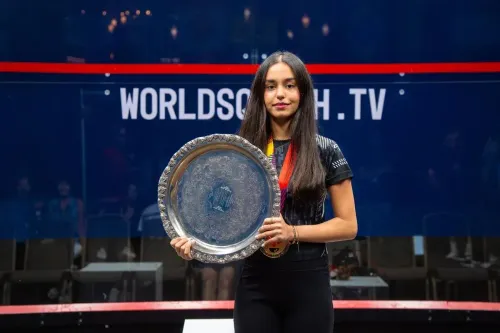
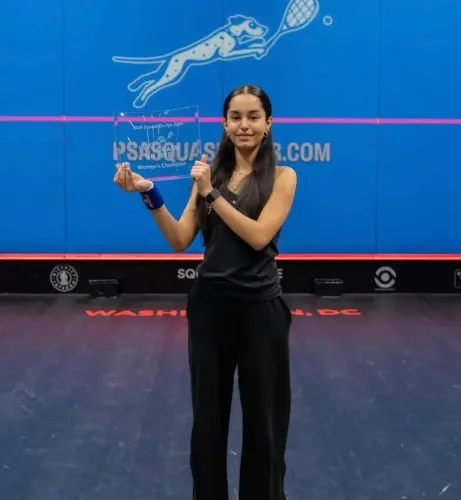
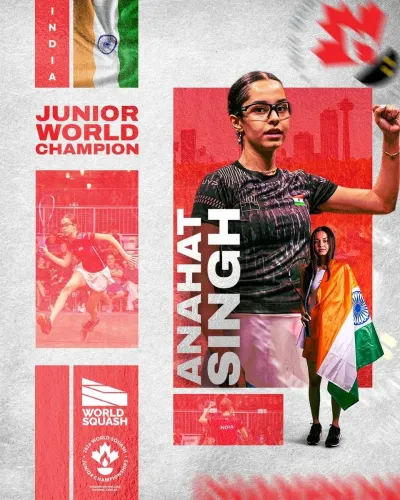
Union Minister Sarbananda Sonowal hailed Anahat Singh's historic World Junior Squash Championship win on 26 July 2026, calling her the first Indian to claim the title and celebrating it as a triumph of Nari Shakti and India's youth.
Key Takeaways
Anahat Singh became the first Indian player to win the World Junior Squash Championship .
Union Minister Sarbananda Sonowal publicly congratulated her on 26 July 2026 via X.
Sonowal described the achievement as 'an inspiring moment for India's youth and Nari Shakti.' The win aligns with government-backed efforts under the Khelo India programme to diversify India's sporting profile.
The achievement spotlights squash, a discipline historically overshadowed by cricket and hockey in India.
Analysts expect the title to prompt discussions on squash-specific athlete funding and infrastructure support.
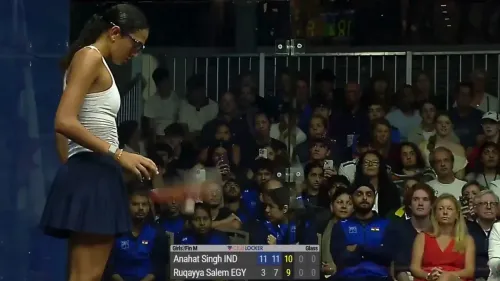
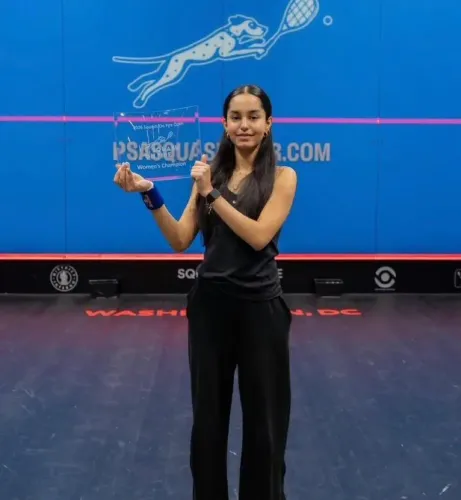
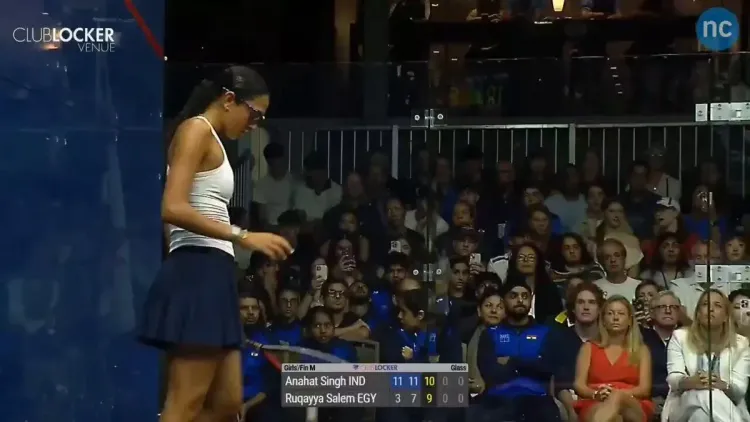
Union Ports and Shipping Minister Sarbananda Sonowal on Sunday, 26 July 2026, congratulated Anahat Singh on becoming the first Indian to win the World Junior Squash Championship, calling it a historic moment for Indian sports and a symbol of Nari Shakti.
Context
Anahat Singh has made history by becoming the first Indian player to clinch the World Junior Squash Championship title, a landmark achievement in a discipline that has long remained on the fringes of India's sporting mainstream. Minister Sonowal described her performance as 'an inspiring moment for India's youth and Nari Shakti,' underscoring the national significance of the win. He extended his 'heartiest congratulations' and best wishes for her journey ahead.
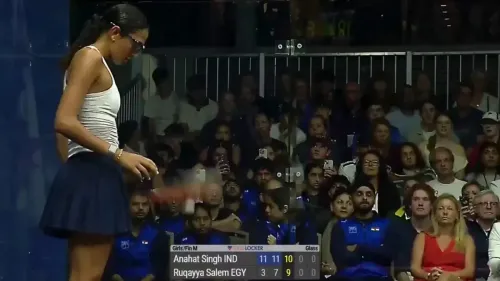
Squash has historically been overshadowed by cricket and field hockey in India, making a world junior title in the sport a particularly notable breakthrough. Anahat Singh, who has competed on the junior international circuit, has now etched her name in Indian sports history with this first-ever world junior crown.
Policy Backdrop
The achievement arrives against the backdrop of sustained government efforts to broaden India's sporting identity beyond cricket. The Khelo India programme, launched in 2017, was designed precisely to identify and nurture grassroots talent across disciplines, including racquet sports, through infrastructure investment and competitive exposure.
Women athletes have been a particular focus of this broader push, with government messaging consistently framing their international successes as evidence of progress on gender-inclusive sports development. Sonowal's invocation of Nari Shakti (women's power) in his post is consistent with this established political and policy vocabulary.
Stakeholders and Impact
For the Indian squash ecosystem — coaches, academies, and the Squash Rackets Federation of India — the title is expected to generate fresh attention and potentially stronger institutional support. Young athletes across the country, especially girls in emerging sports disciplines, stand to benefit from the visibility that a world junior title commands.
Senior ministers publicly amplifying such wins serves a dual purpose: it rewards the athlete with national recognition and signals to sport administrators that government backing for non-cricket disciplines remains a priority. Sonowal's post, directed at @Anahat_Singh13, ensures the message reaches her directly and travels through social media networks.
What's Next
Attention will now turn to Anahat Singh's transition to senior international squash events, where she will be expected to carry the momentum of this historic win. Sporting federations and government bodies may announce targeted support — training grants, facility access, or high-performance coaching — to sustain her trajectory.
More broadly, the win could accelerate conversations about squash-specific infrastructure under existing schemes, as policymakers look to convert a landmark result into a pipeline of future champions.
Point of View
Lending the post ideological coherence beyond routine felicitation. Coming from a minister whose portfolio is infrastructure rather than sports, the gesture also reflects how broadly the BJP has distributed the task of amplifying positive national stories across its cabinet. The real test will be whether this visibility translates into concrete institutional support for squash and for Anahat Singh's senior career.
NationPress
24 Oct 2026
Frequently Asked Questions
Who is Anahat Singh and what did she win?
Anahat Singh is an Indian squash player who became the first Indian to win the World Junior Squash Championship , a landmark achievement in Indian sports history.
What is the World Junior Squash Championship?
The World Junior Squash Championship is an annual international junior tournament organised by the World Squash Federation , regarded as the top prize in junior squash globally.
Why did Sarbananda Sonowal congratulate Anahat Singh?
Sarbananda Sonowal , Union Minister of Ports, Shipping and Waterways, congratulated Anahat Singh on 26 July 2026 after she became the first Indian to win the World Junior Squash Championship, calling it a historic moment for Indian sports and Nari Shakti.
What is Khelo India and how does it relate to this achievement?
Khelo India is a government programme launched in 2017 to promote grassroots sports talent and infrastructure across disciplines. Anahat Singh's world junior title reflects the broader push under such schemes to develop Indian athletes in non-cricket sports.
What does Nari Shakti mean in the context of Indian sports?
Nari Shakti (women's power) is a phrase used by Indian policymakers to celebrate women's achievements. In sports, it is frequently invoked when women athletes win international honours, framing their success as evidence of gender-inclusive progress.