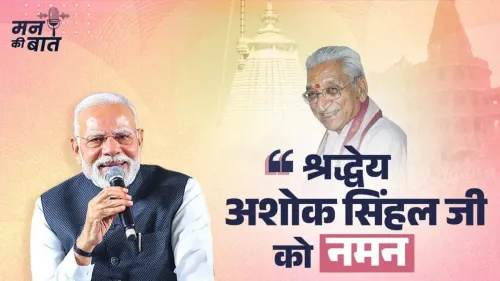
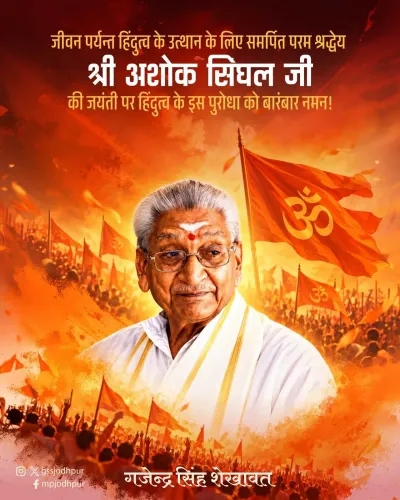
Shekhawat joins Ashok Singhal birth centenary event in Jodhpur
Synopsis
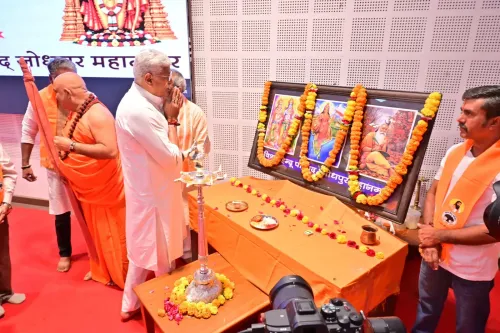
Union Culture Minister Gajendra Singh Shekhawat joined a live centenary commemoration for VHP leader Ashok Singhal in Jodhpur on 25 October 2026, marking 100 years since the birth of the Ram Janmabhoomi movement's defining figure.
Key Takeaways
Union Culture and Tourism Minister Gajendra Singh Shekhawat participated in the Ashok Singhal birth centenary year programme in Jodhpur on 25 October 2026 .
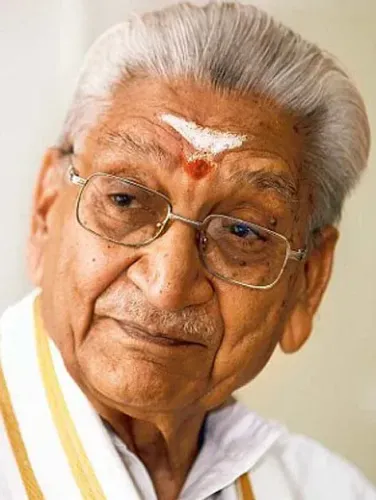
Ashok Singhal (1926–2015) was the long-time president of the Vishva Hindu Parishad (VHP) and a central figure in the Ram Janmabhoomi movement.
The event was a provincial (Jodhpur Prant) programme under the nationwide #100YearsOfAshokJi centenary campaign.
Shekhawat shared a live broadcast link of the event, underlining both ministerial participation and his Jodhpur constituency ties.
The Ministry of Culture has a standing practice of supporting birth centenary commemorations for national and cultural figures across Indian states.
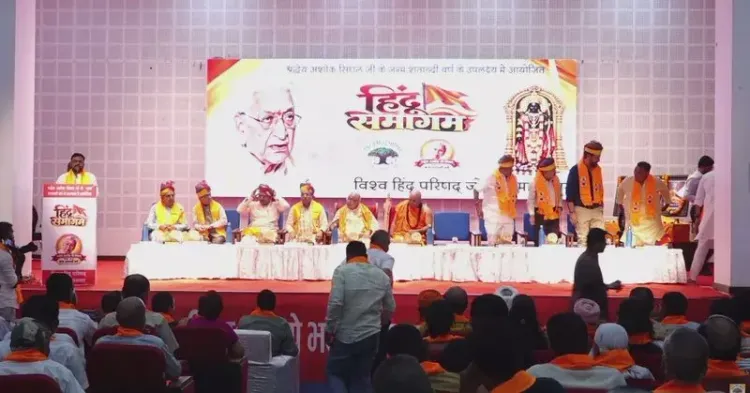
A hundred years after the birth of one of the Vishva Hindu Parishad's most consequential leaders, Union Culture and Tourism Minister Gajendra Singh Shekhawat joined a live centenary commemoration programme for Ashok Singhal in Jodhpur on Sunday, 25 October 2026 — honouring a figure whose name remains inseparable from the Ram Janmabhoomi movement.
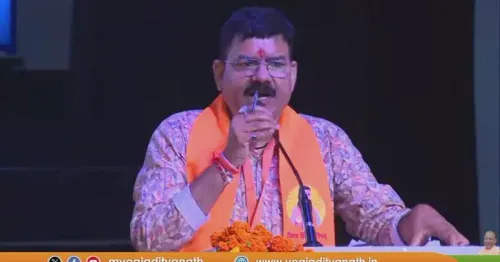
Shekhawat shared a live broadcast link of the event under the hashtag #100YearsOfAshokJi, identifying it as a Jodhpur Prant (provincial) programme marking the birth centenary year of Ashok Singhal (1926–2015). Singhal served as the long-time president of the VHP and was among the most recognised voices of the Ram Janmabhoomi campaign that culminated decades later in the consecration of the Ram temple at Ayodhya.
Ashok Singhal: the man the centenary honours
Born in 1926, Singhal joined the Rashtriya Swayamsevak Sangh as a young man and rose through its affiliate network to lead the Vishva Hindu Parishad — founded in 1964 — through some of its most turbulent and defining decades. His stewardship of the VHP through the 1980s and 1990s made him a polarising but undeniably influential figure in Indian public life. He passed away in November 2015, before the Supreme Court's landmark 2019 verdict paved the way for the Ayodhya temple's construction.
The centenary year has seen VHP-affiliated organisations and cultural bodies organise commemorative events across provinces, with the Jodhpur gathering being part of that nationwide arc.
Culture Ministry's centenary tradition and the Jodhpur connect
Shekhawat's participation carries ministerial weight. The Ministry of Culture has maintained a practice of marking birth centenary years of national and cultural figures through state-level programmes — a tradition active since at least 2014. His presence at a Jodhpur provincial event also underscores his rootedness in the constituency he represents in the Lok Sabha: Jodhpur, Rajasthan.
Rajasthan, governed by the BJP, has been an active participant in cultural heritage initiatives that the Centre has championed — and an event of this scale, drawing a Union Minister to a live broadcast, signals the institutional seriousness with which the centenary is being observed.
Singhal's centenary is not merely a VHP internal affair — it is arriving at a moment when the broader cultural ecosystem around which he built his life's work is arguably at its most prominent in Indian politics. A hundred years on, the movement he shaped is now woven into the mainstream conversation about India's civilisational identity — and that context makes this Jodhpur gathering far more than a ceremonial date on a calendar.
Point of View
Amplifying both the cultural and electoral messaging. This sits within a broader pattern where birth centenary years of RSS-VHP affiliated leaders receive soft state endorsement through ministerial presence and Culture Ministry frameworks, normalising their legacy within India's official cultural narrative. Observers will watch whether the centenary triggers any formal announcements from the Ministry — a heritage project, a postage stamp, or a cultural grant — that would move it from symbolic to substantive.
NationPress
25 Oct 2026
Frequently Asked Questions
Who was Ashok Singhal and why is his centenary being celebrated in 2026?
Ashok Singhal (1926–2015) was the president of the Vishva Hindu Parishad and a leading figure of the Ram Janmabhoomi movement. His birth centenary falls in 2026, prompting VHP-affiliated organisations to hold commemorative events across India under the banner #100YearsOfAshokJi .
What was Gajendra Singh Shekhawat's role in the Jodhpur centenary event?
As Union Culture and Tourism Minister and Lok Sabha MP from Jodhpur, Shekhawat joined and shared a live broadcast of the Jodhpur provincial centenary programme for Ashok Singhal on 25 October 2026.
What is the Vishva Hindu Parishad (VHP)?
The Vishva Hindu Parishad is a Hindu organisation founded in 1964. Ashok Singhal led it for decades and used the platform to drive campaigns including the Ram Janmabhoomi movement, which culminated in the Supreme Court's 2019 verdict and the subsequent construction of the Ram temple in Ayodhya.
Does the Culture Ministry officially support centenary events for VHP-linked leaders?
The Ministry of Culture has a broader practice of marking birth centenary years of national and cultural figures through state-level programmes. Ministerial participation in such events reflects that tradition, though specific programme details for the Singhal centenary have not been officially announced.
Where was the Ashok Singhal centenary event on 25 October 2026 held?
The event was held in Jodhpur, Rajasthan, as a provincial (Jodhpur Prant) programme and was livestreamed on X (formerly Twitter).