Shekhawat launches Aanch National Young Chef Contest 2026
Synopsis
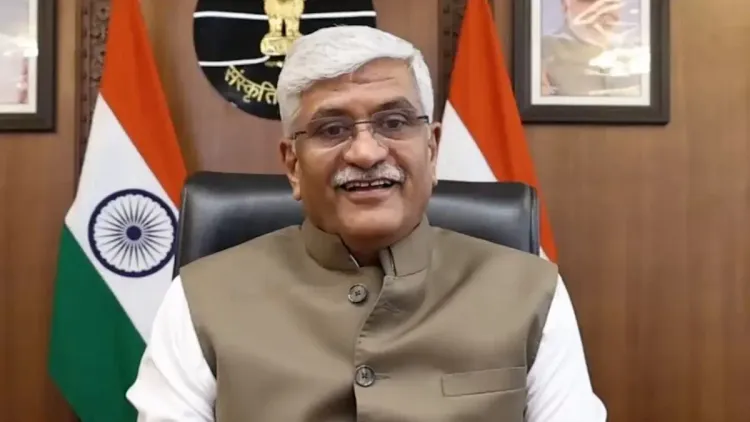
Union Culture and Tourism Minister Gajendra Singh Shekhawat has announced Aanch – National Young Chef Competition 2026, a national platform for young chefs and hotel management students to showcase talent rooted in India's rich culinary traditions and cultural heritage.
Key Takeaways
Union Culture and Tourism Minister Gajendra Singh Shekhawat announced Aanch – National Young Chef Competition 2026 on 10 July 2026 .
The competition targets young chefs and hotel management students across India.
The Ministry frames India's culinary traditions as an invaluable part of its intangible cultural heritage .
The initiative aligns with the Incredible India campaign's long-standing emphasis on regional cuisines as a tourism draw.
Details on regional qualifiers, eligibility, and institutional partnerships are yet to be officially announced.
The competition is expected to feed into broader youth skilling and culinary tourism goals of the Ministry.
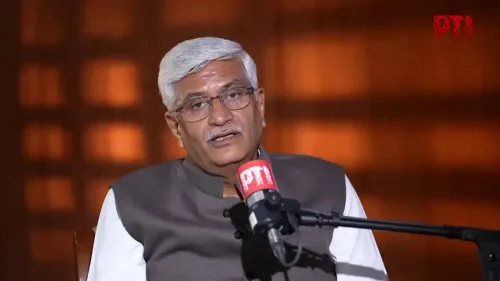
Union Culture and Tourism Minister Gajendra Singh Shekhawat on Friday, 10 July 2026, announced the Aanch – National Young Chef Competition 2026, calling it an outstanding opportunity for young chefs and hotel management students across India to earn distinctive recognition for their culinary talent.
Posting in Hindi, the Minister wrote: 'भारत की समृद्ध पाक परंपराएं हमारी सांस्कृतिक विरासत की अमूल्य धरोहर हैं' ('India's rich culinary traditions are an invaluable treasure of our cultural heritage'), framing the competition as a bridge between living heritage and youth aspiration.
Context
The Ministry of Culture and Tourism has been steadily positioning India's regional cuisines not merely as food, but as expressions of intangible cultural heritage. The Aanch competition is designed to bring that framing into direct contact with the country's growing pool of hospitality-sector talent, giving young chefs a national stage to demonstrate mastery of traditional culinary forms.
Shekhawat's announcement signals the Ministry's intent to formalise culinary skill recognition at the national level — a step beyond food festivals and regional showcases that have so far dominated the government's culinary outreach calendar.
Policy Backdrop
India's Incredible India campaign, running since 2002, has consistently featured regional cuisines as a pillar of cultural tourism. Successive governments have woven food festivals, chef training modules, and state-level cook-offs into national tourism strategies aimed at boosting both domestic travel and international visitor appeal.
The Aanch competition fits squarely within this lineage, while also overlapping with broader youth skilling priorities that seek to channel traditional knowledge into employable, market-ready expertise. By anchoring the contest in cultural heritage rather than purely commercial hospitality, the Ministry is signalling that culinary traditions deserve the same institutional respect accorded to classical arts and crafts.
Stakeholders and Impact
The primary beneficiaries are young chefs and hotel management students from institutions across the country, who gain a credentialed national platform to showcase talent rooted in India's diverse regional food traditions. The broader hospitality sector stands to benefit as well: a competition of this scale can elevate professional standards and create a pipeline of chefs who are equally fluent in traditional recipes and modern kitchen practice.
For the tourism economy, a well-executed national culinary competition can generate media attention and traveller curiosity around destination-specific food experiences — a proven driver of domestic and inbound tourism in markets worldwide.
What's Next
Details on regional qualifier rounds, participating institute partnerships, eligibility criteria, and the final event schedule for Aanch 2026 are yet to be officially released by the Ministry. Observers will also watch for any related budget allocations or scheme notifications in upcoming Ministry of Culture and Tourism announcements.
As India continues to build its soft-power profile globally, competitions like Aanch could eventually feed into international culinary diplomacy efforts, projecting the depth and diversity of Indian cuisine on a world stage.
Point of View
Dance, and craft. By routing the initiative through the Ministry of Culture and Tourism rather than a standalone skilling body, Shekhawat is signalling that food traditions carry the same heritage weight as other performing arts. This also serves a dual political purpose: it appeals to the hospitality workforce while reinforcing the BJP government's broader 'vocal for local' cultural nationalism narrative. How the Ministry structures the competition's regional representation will determine whether it becomes a genuinely inclusive national platform or a prestige event concentrated in a few urban hospitality hubs.
NationPress
10 Jul 2026
Frequently Asked Questions
What is the Aanch National Young Chef Competition 2026?
Aanch – National Young Chef Competition 2026 is a national-level culinary contest announced by Union Culture and Tourism Minister Gajendra Singh Shekhawat, designed to give young chefs and hotel management students a platform to showcase talent rooted in India's traditional culinary heritage.
Who can participate in the Aanch Young Chef Competition?
The competition is open to young chefs and hotel management students across India. Specific eligibility criteria and registration details are yet to be officially released by the Ministry of Culture and Tourism.
Why did Shekhawat launch a chef competition under the Culture Ministry?
The Ministry of Culture and Tourism frames India's regional culinary traditions as intangible cultural heritage, making a national chef competition a natural extension of its mandate to preserve and promote that heritage alongside tourism development.
How does Aanch 2026 relate to India's tourism policy?
The competition aligns with the Incredible India campaign's long-standing focus on regional cuisines as a cultural tourism asset, and fits into broader government efforts to build a skilled hospitality workforce that can present traditional food experiences to domestic and international travellers.
When will details of Aanch 2026 qualifiers and schedule be announced?
As of 10 July 2026, the Ministry has not yet released details on regional qualifier rounds, institutional partnerships, or the final event schedule. Further announcements from the Ministry of Culture and Tourism are expected in the coming weeks.