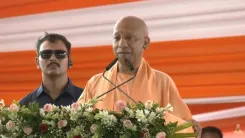
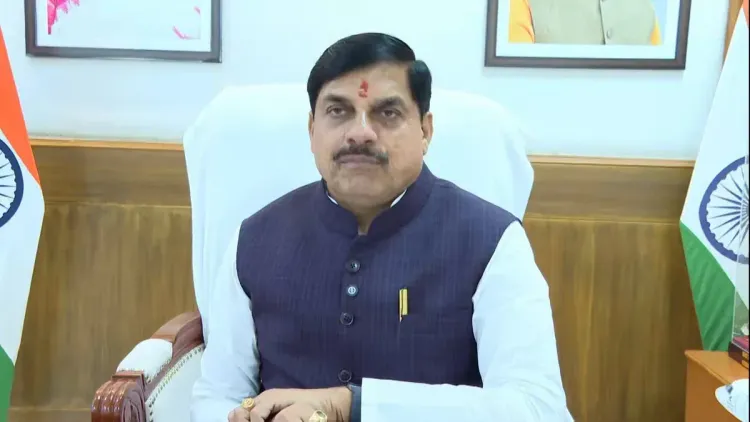
MP CM Mohan Yadav launches 'Nasha Se Doori' 2.0 drive
Synopsis
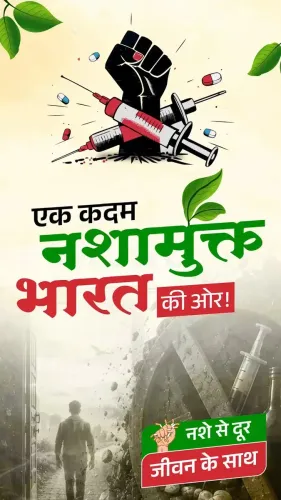
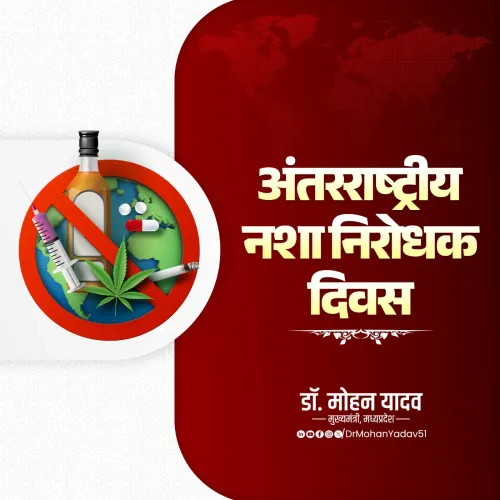
The Chief Minister's Office of Madhya Pradesh has announced 'Nasha Se Doori Hai Zaroori 2.0', a statewide anti-drug awareness campaign running from 15 to 30 July 2026. CM Mohan Yadav appealed to youth to join the drive, which supports the national goal of a drug-free India by 2029 under PM Modi and Home Minister Amit Shah.
Key Takeaways
Madhya Pradesh will run the 'Nasha Se Doori Hai Zaroori 2.0' campaign from 15 to 30 July 2026 across the state.
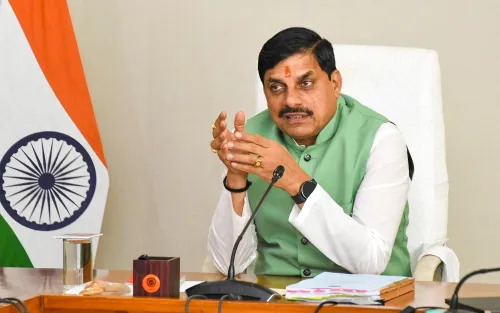
CM Dr Mohan Yadav personally appealed to citizens, especially youth, to participate in the anti-drug drive.
The campaign supports the national target of making India fully drug-free by 2029 , under the guidance of PM Narendra Modi and Home Minister Amit Shah .
The state's Home Department is a key executing agency alongside the Chief Minister's Office.
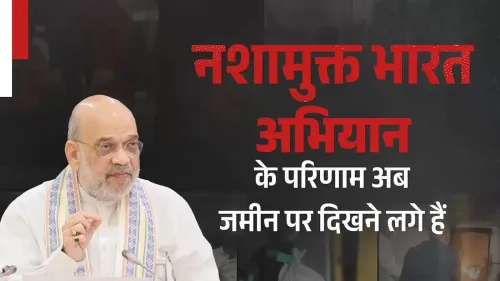
The drive aligns with the Centre's Nasha Mukt Bharat Abhiyan , launched in 2020 to address substance abuse in 272 vulnerable districts .
The '2.0' designation indicates this is a recurring, institutionalised campaign, not a one-off initiative.
The Chief Minister's Office of Madhya Pradesh announced on Friday, 10 July 2026 that the state government will run a fortnight-long anti-drug awareness campaign — 'Nasha Se Doori Hai Zaroori 2.0' — across Madhya Pradesh from 15 to 30 July 2026, as part of the national goal of making India drug-free by 2029.
Context
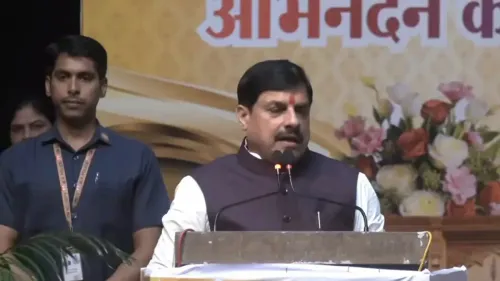
Chief Minister Dr Mohan Yadav personally appealed to citizens — especially the youth — to join what he described as a 'jan-abhiyan' (people's movement). In his post, he stated: 'Addiction is the root of destruction. It ruins not only our present but also the future of generations to come.' He called on residents of the state to actively participate in building a 'Nasha Mukt Madhya Pradesh' (Drug-Free Madhya Pradesh).
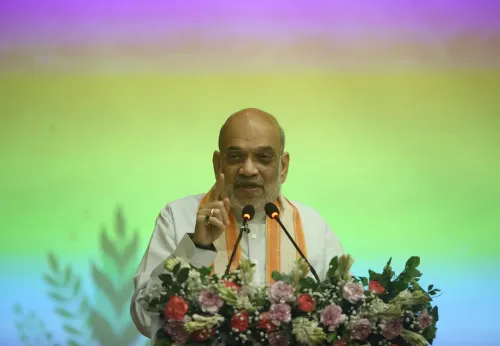
The campaign is framed as part of the state's commitment to a national target set under the guidance of Prime Minister Narendra Modi and the leadership of Union Home Minister Amit Shah, who oversees narcotics control coordination at the central level.
Policy Backdrop
The drive aligns with the Nasha Mukt Bharat Abhiyan, a central scheme launched by the Ministry of Social Justice and Empowerment in 2020 to combat substance abuse in 272 identified vulnerable districts across the country. The scheme combines awareness, outreach, and rehabilitation components targeting youth in high-risk zones.
The broader policy architecture rests on the National Action Plan for Drug Demand Reduction, operational since 2018, which established a framework for state-central coordination on de-addiction. Amendments to the Narcotic Drugs and Psychotropic Substances Act have further strengthened enforcement powers available to state governments executing these drives.
Madhya Pradesh's campaign follows similar state-level iterations conducted in Rajasthan, Uttar Pradesh, and other states since 2021, reflecting a pattern of BJP-governed states aligning local awareness efforts with the Union Home Ministry's narcotics control priorities.
Stakeholders and Impact
The primary targets of the campaign are youth and young adults across Madhya Pradesh, a demographic identified as particularly vulnerable to substance abuse in national surveys. The 16-day window from 15 to 30 July is intended to maximise outreach through district-level mobilisation, community participation, and institutional engagement.
The state's Home Department — tagged in the official post as @mohdept — is a key executing agency alongside the Chief Minister's Office, signalling a dual thrust of public awareness and enforcement. Citizens, schools, colleges, and local bodies are expected to be drawn into the campaign's activities.
What's Next
Attention will now turn to rollout metrics and participation data from the 15–30 July 2026 phase, which will serve as a benchmark for the campaign's reach. Any mid-term review of the 2029 national drug-free target in upcoming parliamentary sessions or NITI Aayog deliberations could shape the next phase of state-level programming. The 'Version 2.0' designation of this campaign also implies a prior iteration, suggesting the state intends to institutionalise these drives as recurring annual exercises rather than one-off events.
Point of View
Reinforcing the BJP's integrated governance messaging on social issues. The '2.0' branding signals an intent to build on a prior campaign cycle, suggesting the party sees anti-drug drives as a durable political and social asset rather than a one-time gesture. Madhya Pradesh's move mirrors similar campaigns in other BJP-governed states, pointing to a coordinated, top-down rollout strategy ahead of any review of the 2029 national target. The direct appeal to youth is also notable, as that demographic remains central to the BJP's long-term electoral calculus in the state.
NationPress
10 Jul 2026
Frequently Asked Questions
What is the 'Nasha Se Doori Hai Zaroori 2.0' campaign in Madhya Pradesh?
'Nasha Se Doori Hai Zaroori 2.0' is a statewide anti-drug awareness campaign announced by Madhya Pradesh CM Mohan Yadav, scheduled to run from 15 to 30 July 2026 across the state as part of the national goal of a drug-free India by 2029.
When does the Madhya Pradesh anti-drug campaign 2026 start and end?
The campaign runs from 15 July to 30 July 2026 , covering a period of 16 days across all districts of Madhya Pradesh.
What is the Nasha Mukt Bharat Abhiyan and how is it connected to this campaign?
The Nasha Mukt Bharat Abhiyan is a central scheme launched by the Ministry of Social Justice and Empowerment in 2020 to reduce substance abuse in 272 identified vulnerable districts. Madhya Pradesh's campaign is aligned with this national programme.
What is India's national target for becoming drug-free?
The national target, cited in CM Mohan Yadav's post, is to make India completely drug-free by 2029 , under the guidance of Prime Minister Narendra Modi and Union Home Minister Amit Shah.
Who is executing the anti-drug campaign in Madhya Pradesh?
The campaign is being led by the Chief Minister's Office under CM Dr Mohan Yadav, with the Madhya Pradesh Home Department serving as a key implementing agency.