CM Yogi Marks Ram Janmabhoomi Movement's Mass Participation
Synopsis
Uttar Pradesh Chief Minister Yogi Adityanath on 10 July 2026 posted on X honouring every section of society for their role in the Ram Janmabhoomi movement, framing the decades-long struggle for the Ayodhya site as a collective national cause culminating in the 2019 Supreme Court verdict and the construction of the Ram Temple.
Key Takeaways
CM Yogi Adityanath posted on 10 July 2026 crediting every section of society for the Ram Janmabhoomi movement and struggle.
The Ram Janmabhoomi movement gained major momentum from the 1980s and saw the 1992 demolition of the Babri structure in Ayodhya .
The Supreme Court of India cleared the path for the Ram Temple's construction on 9 November 2019 .
The BJP has framed the Ram Janmabhoomi cause as a unifying national issue, and Ayodhya is being developed as a major pilgrimage and tourism hub.
CM Yogi is head of both the Uttar Pradesh government and the Gorakhnath Math , making him the most prominent official voice on this issue.
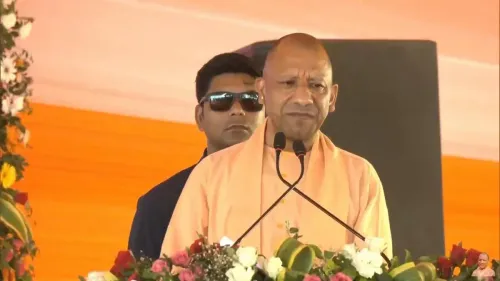
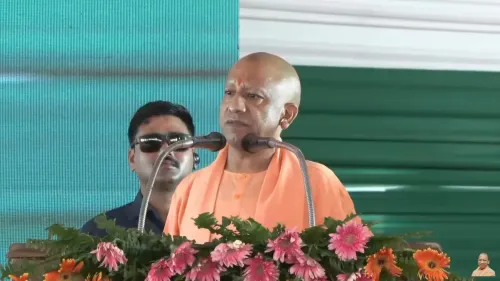
Uttar Pradesh Chief Minister Yogi Adityanath on Friday, 10 July 2026 took to X to honour the broad societal participation that defined the decades-long Ram Janmabhoomi movement, stating that every section of society had fought and struggled for the liberation of the sacred site in Ayodhya.
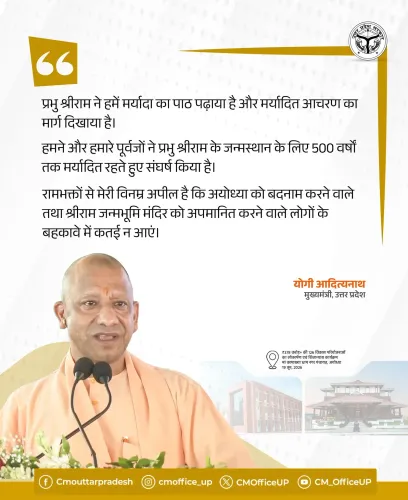
In his post, CM Yogi wrote: 'Samaj ke pratyek tabakey ne Shri Ram Janmabhoomi ki mukti ke liye aandolan aur sangharsh kiya' — 'Every section of society participated in the movement and struggle for the liberation of Shri Ram Janmabhoomi.' The statement frames the Ram Janmabhoomi cause not as a partisan endeavour but as a collective national aspiration cutting across social strata.
Context
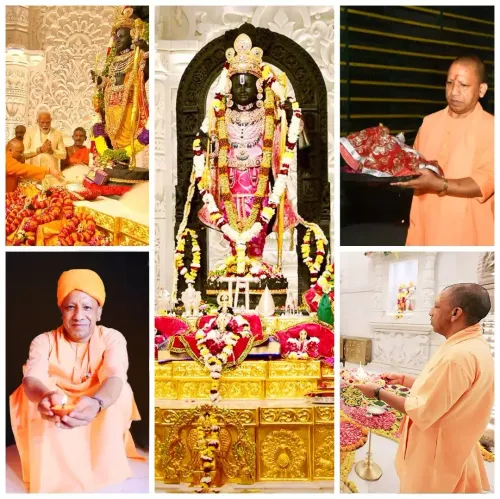
The Ram Janmabhoomi movement, which gained significant momentum from the 1980s onward, centred on the disputed site in Ayodhya, Uttar Pradesh, believed by millions of Hindus to be the birthplace of Lord Ram. The movement saw mass mobilisation across communities and became one of the most consequential socio-religious campaigns in post-Independence India. The 1992 demolition of the Babri structure at the site marked a defining and deeply contested moment in that history. The Supreme Court of India delivered a landmark verdict on 9 November 2019, clearing the path for construction of a Ram Temple on the disputed site. The ruling was widely seen as the legal culmination of a struggle that had spanned generations.Policy Backdrop
The Bharatiya Janata Party (BJP) has long positioned the Ram Janmabhoomi cause as central to its cultural and political identity. Successive BJP governments in Uttar Pradesh and at the Centre have worked to develop Ayodhya as a major pilgrimage and tourism hub, investing in infrastructure, connectivity, and heritage projects around the temple town. CM Yogi, as head of both the state government and the Gorakhnath Math, has been among the most prominent voices linking the temple's realisation to broader cultural revival. The framing of the movement as one in which 'every section of society' participated is consistent with the BJP's effort to present the Ram Janmabhoomi issue as a unifying national cause rather than a sectarian one.Stakeholders and Impact
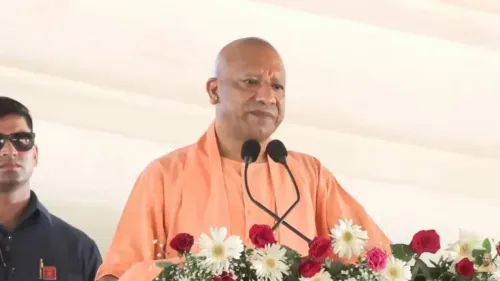
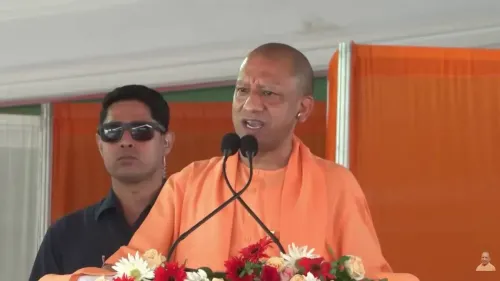
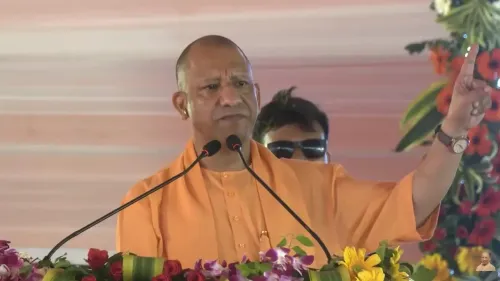
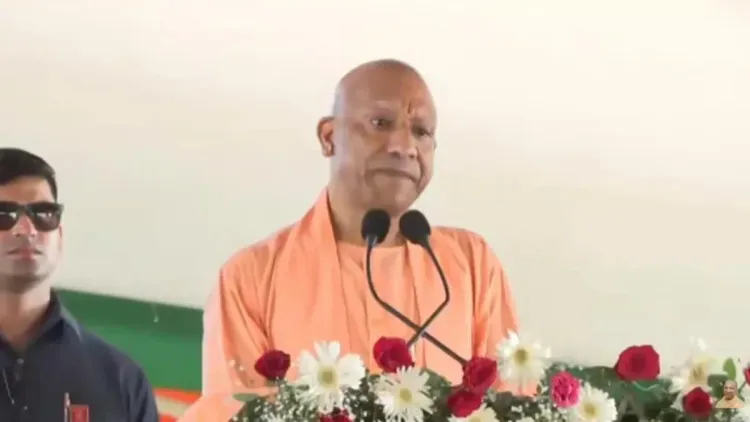
For Hindu devotees across India and the diaspora, the Ram Temple at Ayodhya represents the fulfilment of a long-held religious aspiration. For residents of Ayodhya, the city's transformation into a pilgrimage hub has brought significant economic activity, infrastructure development, and heightened national attention. The movement's legacy also continues to shape political discourse, with parties across the spectrum navigating their historical positions on the issue. CM Yogi's post, accompanied by a video, signals continued official emphasis on commemorating and contextualising the Ram Janmabhoomi movement as a chapter of shared national history.What's Next
The state government of Uttar Pradesh is expected to continue expanding Ayodhya's infrastructure and tourism ecosystem in the months ahead. Cultural and religious events tied to the Ram Temple are likely to remain a fixture of the state's public calendar. CM Yogi's sustained public messaging around the Ram Janmabhoomi movement suggests that the theme will remain prominent in UP's political and cultural narrative heading into future electoral cycles.Point of View
Anchoring the Ram Janmabhoomi movement within an inclusive framing — 'every section of society' — that serves both a cultural and a political purpose. By emphasising mass participation rather than party ownership, the messaging broadens the movement's legacy beyond the BJP's core base. This is consistent with a longer arc in which successive BJP governments have sought to transition the Ram Temple from a contested political demand to an established symbol of national heritage. The post also signals that Ayodhya's prominence in UP's public discourse is far from receding.
NationPress
10 Jul 2026
Frequently Asked Questions
What did CM Yogi Adityanath say about the Ram Janmabhoomi movement?
CM Yogi Adityanath said that every section of society had participated in the movement and struggle for the liberation of Shri Ram Janmabhoomi in Ayodhya.
What is the Ram Janmabhoomi movement?
The Ram Janmabhoomi movement was a decades-long socio-religious and political campaign centred on the site in Ayodhya believed to be the birthplace of Lord Ram, culminating in the Supreme Court's 2019 verdict allowing the construction of a Ram Temple there.
When did the Supreme Court give its verdict on the Ayodhya dispute?
The Supreme Court of India delivered its verdict on 9 November 2019, clearing the way for the construction of the Ram Temple at the disputed site in Ayodhya.
What is CM Yogi's connection to Ayodhya and the Ram Temple?
As Chief Minister of Uttar Pradesh and head of the Gorakhnath Math, CM Yogi Adityanath has been one of the most prominent official voices supporting the Ram Temple and the development of Ayodhya as a pilgrimage and tourism hub.
How is Ayodhya being developed after the Ram Temple verdict?
Successive BJP governments in Uttar Pradesh and at the Centre have invested in infrastructure, connectivity, and heritage projects in Ayodhya, positioning it as a major pilgrimage destination and tourism hub.