Amit Shah chairs 10th NCORD meet, releases anti-drug vision document 2026-2029
Synopsis
Home Minister Amit Shah used the 10th NCORD meeting — timed to the International Day Against Drug Abuse — to release a three-year anti-narcotics vision document, launch destruction of ₹6,000 crore worth of seized drugs, and inaugurate new NCB offices in Jammu and Guwahati. The moves signal an institutional push to tackle synthetic drugs and darknet trafficking, two fronts where existing frameworks have struggled to keep up.
Key Takeaways
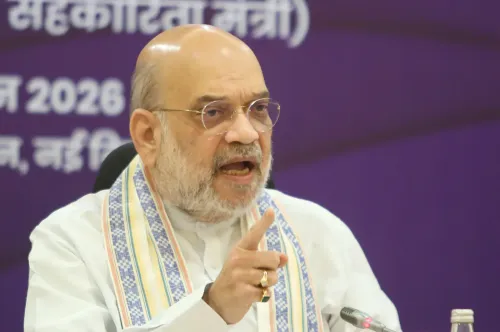
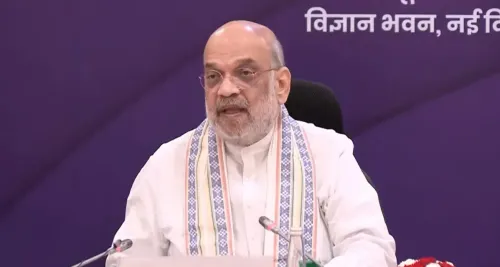
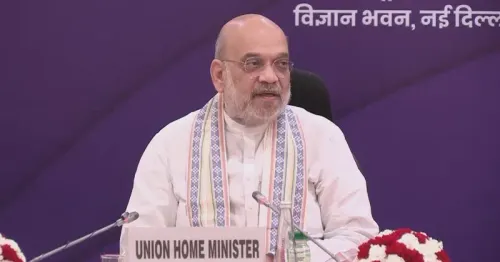
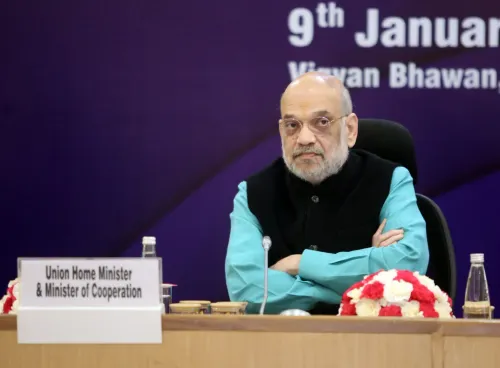
Amit Shah chaired the 10th NCORD apex meeting in New Delhi on 27 June 2025 , coinciding with the International Day Against Drug Abuse.
The 'Narcotics Control Vision Document 2026-2029' was released, focusing on demand reduction, supply reduction, and rehabilitation.
The document addresses emerging threats including synthetic drugs and darknet-based trafficking .
The 'Online Drug Disposal Fortnight Campaign' targets destruction of approximately 2,09,500 kg of seized narcotics worth ₹6,000 crore .
New NCB zonal offices in Jammu and Guwahati were inaugurated; the NCB Annual Report 2025 was also released.
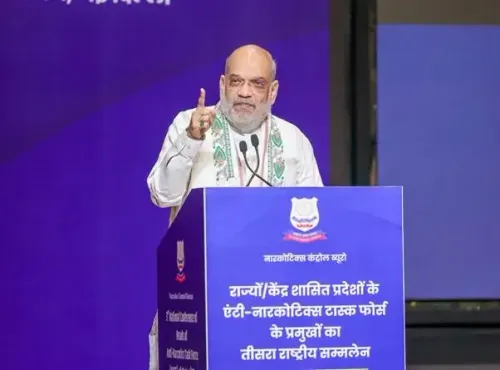
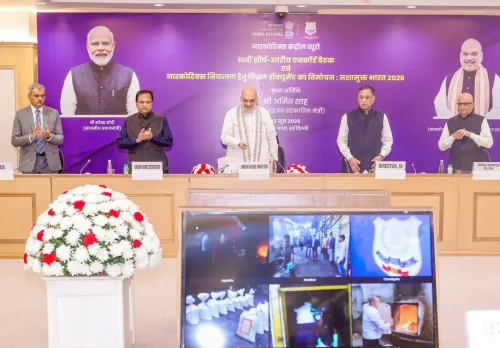
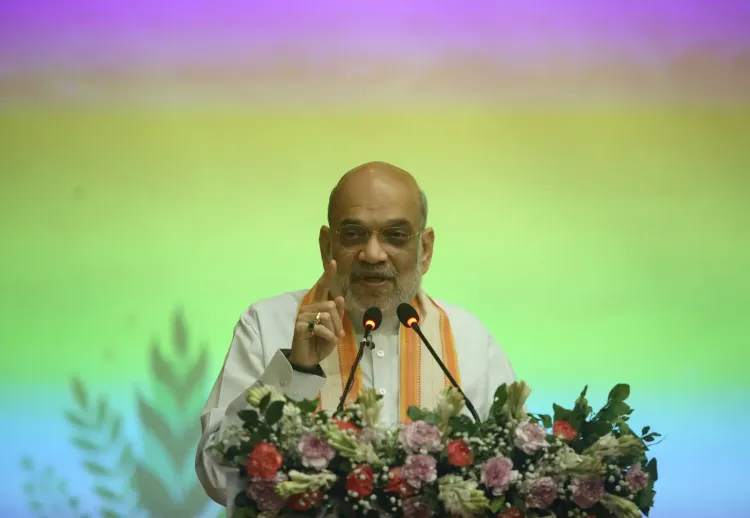
Union Home Minister Amit Shah on Friday, 27 June 2025 chaired the 10th apex-level meeting of the Narco-Coordination Centre (NCORD) in New Delhi, bringing together representatives from Central ministries, state governments, and drug law enforcement agencies to sharpen India's coordinated response to narcotics trafficking and substance abuse.
Vision Document and Key Releases
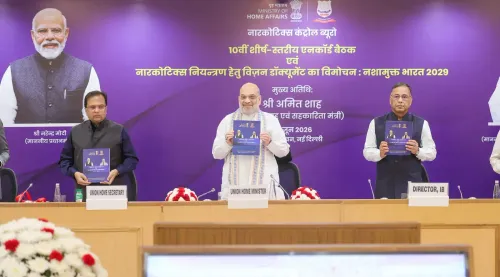
At the meeting — jointly organised by the Ministry of Home Affairs (MHA) and the Narcotics Control Bureau (NCB) — Shah released the 'Narcotics Control Vision Document 2026-2029', a roadmap developed through extensive multi-stakeholder consultations. The document centres on three pillars: demand reduction, supply reduction, and rehabilitation.
The vision document specifically addresses emerging threats, including the rapid spread of synthetic drugs and the use of the darknet for narcotics trafficking — channels that have increasingly outpaced conventional enforcement frameworks. It also lays out a framework for scaling up awareness campaigns, treatment infrastructure, and rehabilitation services.
Shah additionally released the NCB Annual Report 2025 and inaugurated newly constructed NCB zonal offices in Jammu and Guwahati, expanding the bureau's operational footprint in two strategically significant regions.
Drug Disposal Fortnight Campaign
The Home Minister launched the 'Online Drug Disposal Fortnight Campaign', under which approximately 2,09,500 kg of seized narcotics — valued at around ₹6,000 crore — are set to be destroyed across the country in line with prescribed legal procedures. The scale of the disposal underlines the volume of contraband accumulated through enforcement actions in recent years.
What the Meeting Aims to Achieve
According to the MHA, the NCORD meeting is designed to reinforce the Centre's zero-tolerance policy against drug trafficking and advance the goal of a 'Drug-Free India'. It also serves as a review platform for collective stakeholder efforts and charts a coordinated roadmap for narcotics control through 2029.
Notably, the 10th NCORD meeting coincides with the International Day Against Drug Abuse and Illicit Trafficking, lending additional symbolic weight to the announcements made.
Shah's Message on Anti-Drug Day
Earlier on Friday, on the occasion of the international anti-drug day, Shah posted on X under the hashtag #NashaMuktBharat: 'Extending best wishes to all the warriors in our national battle against drugs, on International Day Against Drug Abuse. India under Modi Ji's leadership has mounted the strongest fight against the global challenge of drug abuse, by eliminating narco-cartels ruthlessly and healing the affected individuals with the care and empathy they deserve. May this day reinforce our commitment to shield our young generation from drugs.'
The NCORD framework, which operates at the apex, state, district, and sub-district levels, has been the Centre's primary institutional mechanism for inter-agency drug enforcement coordination. With the new vision document now in place, the next three years will test whether its strategies can keep pace with the evolving narcotics landscape.
Point of View
But coordination between states and the Centre has historically been uneven — the real value of any vision document lies in the binding mechanisms it creates, not the goals it states. Destroying ₹6,000 crore worth of seized narcotics is a visible signal of enforcement capacity, but the harder metric — whether demand among India's youth is actually falling — remains underreported in official communications. The inauguration of offices in Jammu and Guwahati is strategically pointed: both are gateway regions for cross-border narcotics flows, and institutional presence there has long lagged the threat.
NationPress
25 Sept 2026
Frequently Asked Questions
What is the Narcotics Control Vision Document 2026-2029?
It is a three-year strategic roadmap released by Home Minister Amit Shah at the 10th NCORD meeting on 27 June 2025, developed through multi-stakeholder consultations. The document focuses on demand reduction, supply reduction, and rehabilitation, and specifically addresses synthetic drugs and darknet-based drug trafficking.
What is the NCORD and why does its apex meeting matter?
The Narco-Coordination Centre (NCORD) is India's apex inter-agency mechanism for coordinating drug enforcement across Central ministries, state governments, and law enforcement bodies. Its apex-level meetings, chaired by the Home Minister, set national priorities for narcotics control and review collective enforcement outcomes.
What is the Online Drug Disposal Fortnight Campaign?
It is a campaign launched by Amit Shah under which approximately 2,09,500 kg of seized narcotics, valued at around ₹6,000 crore, will be destroyed across India in accordance with legal procedures. The campaign aims to clear accumulated contraband from enforcement actions and demonstrate the scale of anti-drug operations.
Why were NCB offices inaugurated in Jammu and Guwahati specifically?
Both Jammu and Guwahati are strategically significant as gateway regions for cross-border narcotics flows — Jammu on the western frontier and Guwahati as a hub for the Northeast, which borders Myanmar's drug-producing zones. Establishing zonal offices there expands the NCB's operational reach in high-risk corridors.
What did Amit Shah say on International Day Against Drug Abuse?
Shah posted on X under #NashaMuktBharat, extending wishes to 'all the warriors in our national battle against drugs' and stating that India has 'mounted the strongest fight against the global challenge of drug abuse, by eliminating narco-cartels ruthlessly and healing the affected individuals with the care and empathy they deserve.'