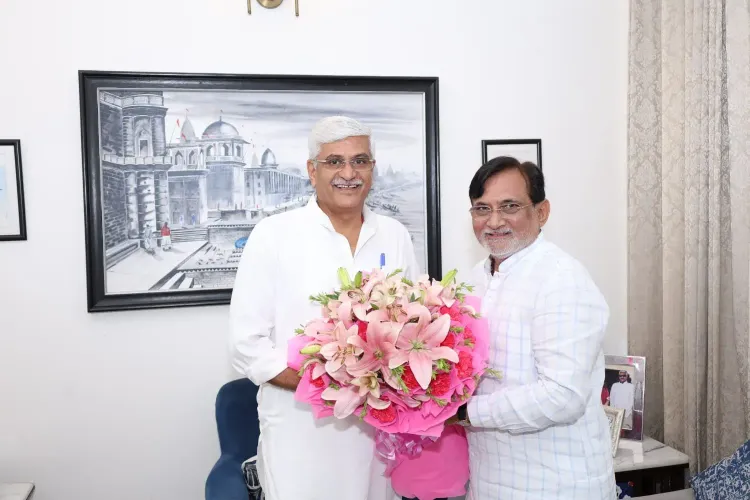
Shekhawat meets UT Administrator Praful Patel in New Delhi
Synopsis
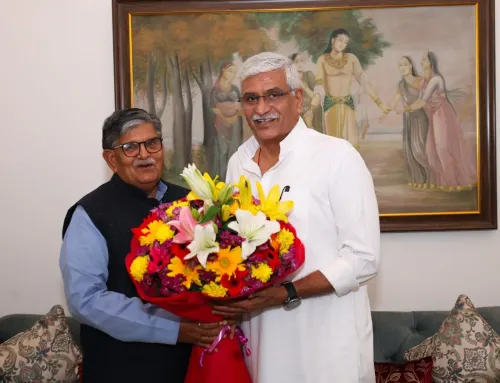
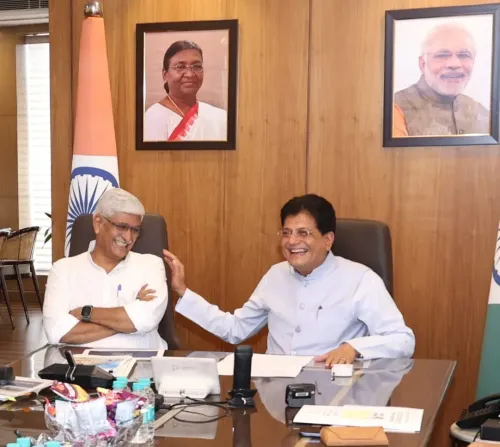
Union Culture and Tourism Minister Gajendra Singh Shekhawat hosted Praful K. Patel, Administrator of Dadra and Nagar Haveli and Daman and Diu, at his New Delhi residence on 21 July 2026. The two held discussions on multiple subjects, reflecting routine Centre-UT coordination on governance and development priorities.
Key Takeaways
Gajendra Singh Shekhawat , Union Minister of Culture and Tourism, met Praful K.
Patel at his official New Delhi residence on 21 July 2026 .
The meeting covered 'useful discussions on various subjects,' according to Shekhawat's post on X.
Patel is the Administrator of the combined UT of Dadra and Nagar Haveli and Daman and Diu .
The UT was formed on 26 January 2020 via the merger of two previously separate Union Territories under the Dadra and Nagar Haveli and Daman and Diu (Merger of Union Territories) Act, 2019 .
No specific outcomes or decisions from the meeting have been publicly announced.
The Culture and Tourism Ministry's engagement with the UT is significant given its coastal heritage sites and tourism potential.
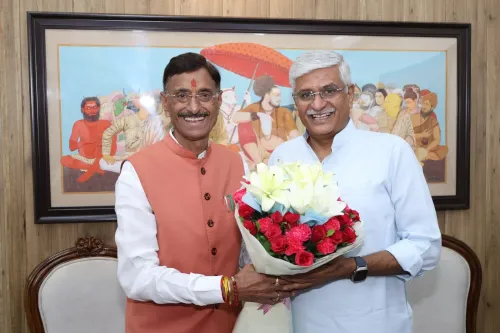
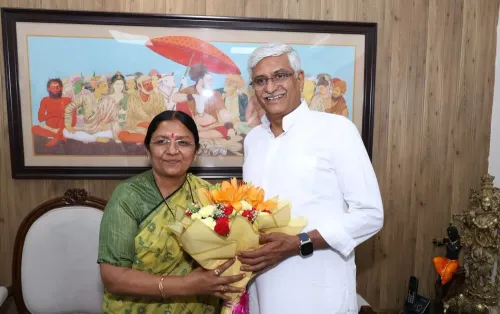
Union Culture and Tourism Minister Gajendra Singh Shekhawat received Praful K. Patel, Administrator of the Union Territory of Dadra and Nagar Haveli and Daman and Diu, at his official residence in New Delhi on Tuesday, 21 July 2026. The two held wide-ranging discussions on matters of mutual concern spanning governance and development priorities of the UT.
Context
Shekhawat posted on X, sharing that Patel's visit to his government residence led to 'विभिन्न विषयों पर उपयोगी चर्चा' ('useful discussions on various subjects'). While the minister did not specify the agenda items, such high-level coordination meetings between Central ministers and UT administrators are a standard feature of India's governance architecture for directly administered territories.
Praful K. Patel has served as Administrator of the combined UT since its formation, overseeing its administrative and developmental functions under the direct supervision of the Union Government.
Policy Backdrop
Dadra and Nagar Haveli and Daman and Diu was formed as a single Union Territory on 26 January 2020, following the passage of the Dadra and Nagar Haveli and Daman and Diu (Merger of Union Territories) Act, 2019, which merged two previously separate UTs into one administrative unit. The merger was intended to streamline governance, reduce administrative duplication, and enable more cohesive development planning.
As a UT under direct Central administration, its developmental priorities — including tourism infrastructure, heritage conservation, and investment promotion — are closely coordinated with relevant Union Ministries. The Ministry of Culture and Tourism holds particular relevance for this UT, given its coastal geography, Portuguese-era heritage sites, and growing profile as a leisure tourism destination.
Stakeholders and Impact
Engagements between the Culture and Tourism Ministry and UT administrators frequently cover heritage site upkeep, promotion of lesser-known destinations, and alignment on centrally sponsored tourism schemes. The UT's beaches, forts, and colonial-era churches make it a natural candidate for tourism development initiatives under the Central Government's broader push to diversify India's tourism map beyond established circuits.
Tourism officials, local administrators, hospitality businesses, and communities dependent on visitor footfall in the UT stand to benefit from coordinated policy planning that such ministerial meetings can catalyse. The discussions may also have touched on cultural events or festivals that the Ministry could support in the UT.
What's Next
No specific outcomes or decisions from the meeting have been announced publicly as yet. Observers will watch for any follow-up announcements related to tourism infrastructure projects, heritage conservation grants, or cultural programming for Dadra and Nagar Haveli and Daman and Diu in the coming weeks. Updates on UT development allocations in the next parliamentary session could also reflect priorities discussed at such coordination meetings.
Point of View
Such engagements are strategically significant — the UT's Portuguese-era heritage and beach tourism potential align squarely with the Centre's push to develop alternative tourism circuits. The absence of any announced outcome keeps speculation open, but the very fact of a ministerial-level meeting signals that the UT remains on New Delhi's active development radar. Analysts will track whether this translates into budgetary allocations or scheme extensions in the near term.
NationPress
20 Oct 2026
Frequently Asked Questions
Why did Praful Patel meet Gajendra Singh Shekhawat?
Praful K. Patel, Administrator of Dadra and Nagar Haveli and Daman and Diu, visited Union Culture and Tourism Minister Gajendra Singh Shekhawat at his New Delhi residence on 21 July 2026 for discussions on various governance and development subjects, though no specific agenda was publicly disclosed.
Who is Praful K. Patel?
Praful K. Patel is the Administrator of the Union Territory of Dadra and Nagar Haveli and Daman and Diu, the combined UT formed on 26 January 2020 following the merger of two previously separate Union Territories.
What is the Union Territory of Dadra and Nagar Haveli and Daman and Diu?
It is a Union Territory in western India formed by the merger of Dadra and Nagar Haveli and Daman and Diu on 26 January 2020 under the Dadra and Nagar Haveli and Daman and Diu (Merger of Union Territories) Act, 2019, and is directly administered by the Central Government.
What topics were discussed between Shekhawat and Praful Patel?
The minister described the discussions as covering 'various subjects' but did not publicly specify the agenda; given the ministry's mandate, tourism infrastructure, heritage conservation, and cultural programming for the UT are likely areas of coordination.
What is Gajendra Singh Shekhawat's role?
Gajendra Singh Shekhawat is India's Union Minister of Culture and Tourism, a senior BJP leader, and the Lok Sabha MP from Jodhpur, Rajasthan.