Shekhawat pitches North East tourism at Tawang Mart

Synopsis
Union Tourism Minister Gajendra Singh Shekhawat addressed the 14th International Tourism Mart in Tawang, Arunachal Pradesh, with 43 international buyers from 22 countries attending, pushing North East India as India's next major tourism frontier.
Key Takeaways
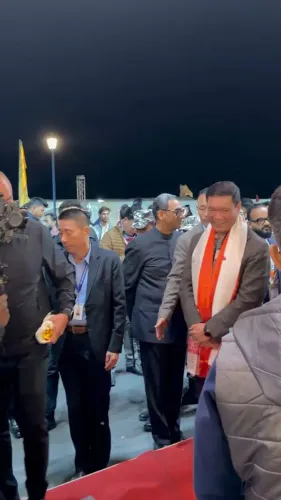
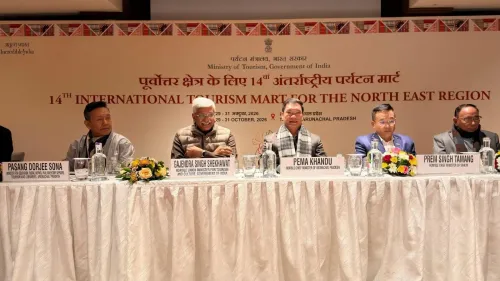
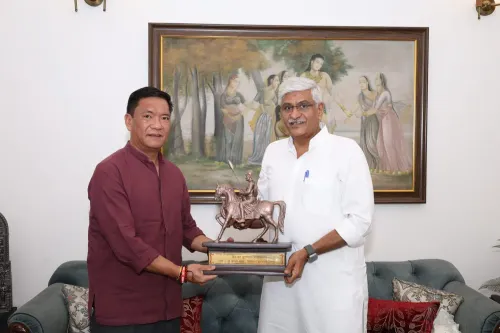
Union Tourism Minister Gajendra Singh Shekhawat addressed media at the 14th International Tourism Mart in Tawang, Arunachal Pradesh on October 29, 2026 .
The mart drew 43 international buyers from 22 countries , 42 domestic buyers , and 81 sellers .
The Minister emphasised promoting lesser-known destinations, empowering local entrepreneurs, and building sustainable livelihoods in the North East .
Government schemes including Swadesh Darshan , Act East Policy , and PRASAD form the policy backbone for North East tourism development.
Tawang , located near the India-China border and home to a major Buddhist monastery, was chosen as the host, signalling strategic commitment to border-region tourism.
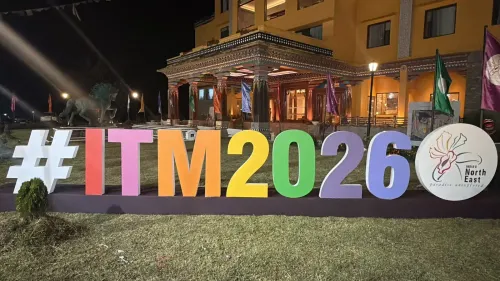
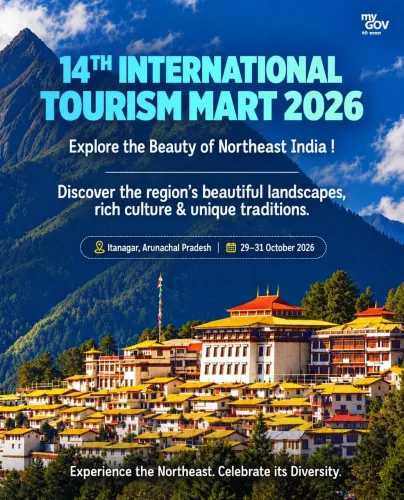
From the shadow of the Himalayas and one of India's most storied border towns, Union Culture and Tourism Minister Gajendra Singh Shekhawat used the 14th International Tourism Mart in Tawang, Arunachal Pradesh on Thursday, October 29 to make a pointed case: the North East is not a fringe destination — it is India's next big tourism frontier.
Tawang as the stage: why the venue is the message
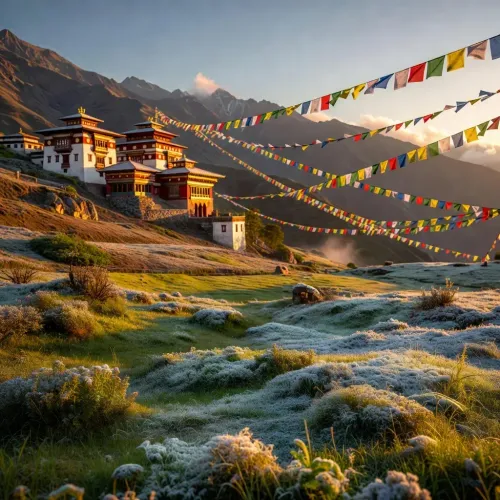
Hosting a mart of this scale in Tawang — perched at over 10,000 feet, home to one of the world's largest Buddhist monasteries and just kilometres from the India-China border — is itself a statement of intent. The choice of location signals that the government is no longer content letting the North East remain a footnote in India's inbound tourism narrative.
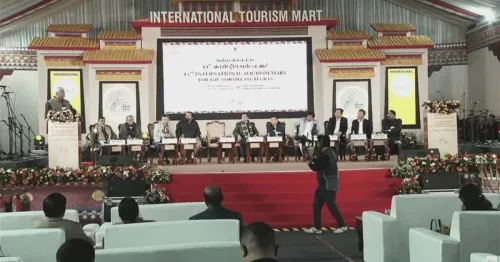
Shekhawat addressed media at the event, which brought together 43 international buyers from 22 countries, 42 domestic buyers, and 81 sellers — making it one of the more globally diverse editions of the annual Ministry of Tourism platform.
What the Mart is designed to do
The International Tourism Mart is not a trade fair in the conventional sense. It is a deal-making bridge: international tour operators and travel agencies sit across the table from Indian sellers — hoteliers, homestay owners, adventure operators, state tourism boards — and negotiate packages, circuits, and contracts that do not get built through brochures alone.
For a region like Arunachal Pradesh, which borders China, Bhutan, and Myanmar and holds extraordinary biodiversity alongside dozens of tribal cultures, the mart model matters because awareness abroad remains low. Getting 22 countries into one room in Tawang compresses years of outreach into a single intensive week.
The policy scaffold behind the push
Thursday's mart did not emerge in a vacuum. The Swadesh Darshan scheme, launched in 2014-15, specifically carved out theme-based tourist circuits for the North East, funding trail development, signage, and visitor infrastructure. The Act East Policy, announced the same year, made connectivity and tourism in Northeastern states a strategic priority — recognising that economic integration with Southeast Asia runs through these very states.
The PRASAD scheme further layered heritage and pilgrimage tourism development onto the region's existing draw. Together, these programmes have backed airport upgrades, road projects, and homestay networks that are now the invisible architecture behind events like the Tawang Mart.
Shekhawat's three-pillar pitch
The Minister's stated priorities at the mart were clear: promote lesser-known destinations, empower local entrepreneurs, and ensure that tourism growth translates into sustainable livelihoods — all while preserving the North East's cultural heritage and natural beauty. That last clause is consequential. Arunachal Pradesh is one of India's most ecologically sensitive states; mass tourism without guardrails would be a different kind of problem.
The emphasis on local entrepreneurship also reflects a broader awareness that tourism revenue has historically leaked out of the North East — with outside operators capturing most of the margin while border communities see little of the gain. The Incredible India brand, under which Thursday's mart was promoted, is the government's vehicle for packaging all of this for international audiences.
The real test will arrive in the next fiscal year's tourist-arrival data — when the room full of international buyers either books North East India or does not.
Point of View
Placing international buyers at India's most geopolitically sensitive border town is a deliberate normalisation exercise. Shekhawat's three-pillar framing — discovery, local empowerment, and sustainability — tracks closely with the NDA government's broader effort to recast the North East from a security perimeter into an economic opportunity zone. The emphasis on local entrepreneurship, however, will be watched closely by state-level stakeholders who have long complained that central tourism schemes generate headline investment without proportional community benefit. Whether the mart's buyer-seller pipeline converts into actual bookings and grassroots income is the metric that will define its legacy.
NationPress
29 Oct 2026
Frequently Asked Questions
What is the International Tourism Mart and where was the 14th edition held?
The International Tourism Mart is an annual Ministry of Tourism event that connects international travel buyers with Indian tourism sellers to promote regional destinations. The 14th edition was held in Tawang, Arunachal Pradesh .
How many countries participated in the 14th International Tourism Mart?
The mart featured 43 international buyers from 22 countries , along with 42 domestic buyers and 81 sellers .
What is the Swadesh Darshan scheme and how does it relate to North East tourism?
Swadesh Darshan is a central government scheme launched in 2014-15 to develop theme-based tourist circuits across India, with specific circuits designated for the North East to fund trail development, signage, and visitor infrastructure.
Why is Tawang significant for tourism in India?
Tawang is a high-altitude town in Arunachal Pradesh known for the Tawang Monastery , one of the world's largest Buddhist monasteries, and its location near the India-China border , making it culturally, ecologically, and strategically important.
What is the Act East Policy and its connection to North East India tourism?
The Act East Policy , announced in 2014 , made connectivity and tourism infrastructure in Northeastern states a strategic priority, recognising the region's potential as a bridge to Southeast Asia and as a destination in its own right.