Shekhawat Hails Student Confidence After Campus Interaction
Synopsis
Union Culture and Tourism Minister Gajendra Singh Shekhawat on June 5, 2026, lauded the fearless confidence of students during a campus interaction, linking their ability to question freely with the strength of Indian democracy and the promise of NEP 2020.
Key Takeaways
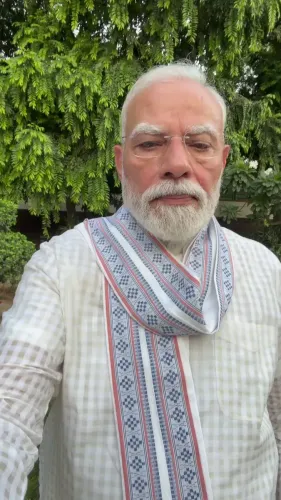
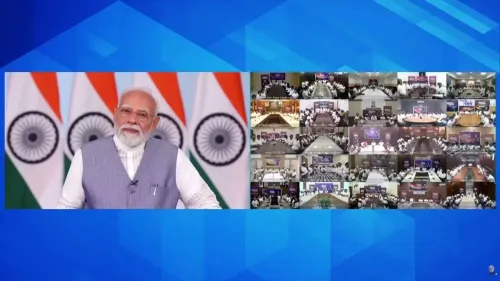
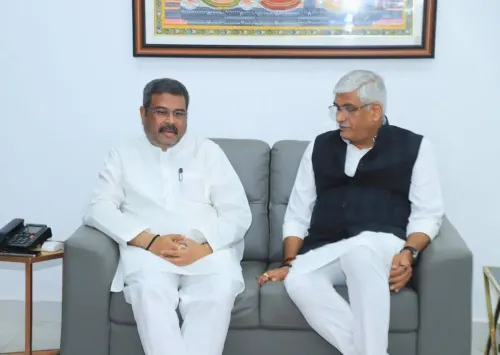
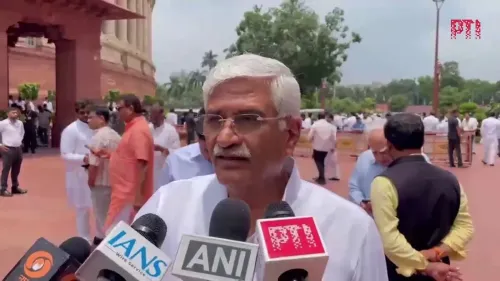
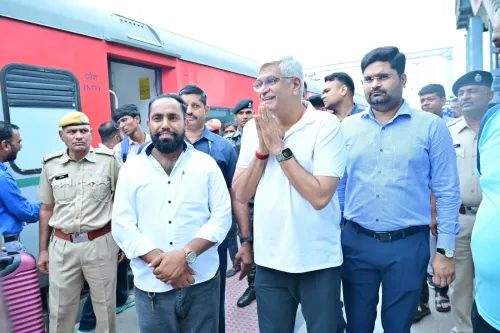
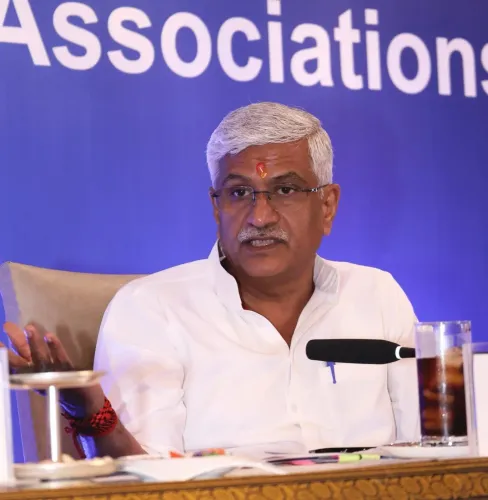
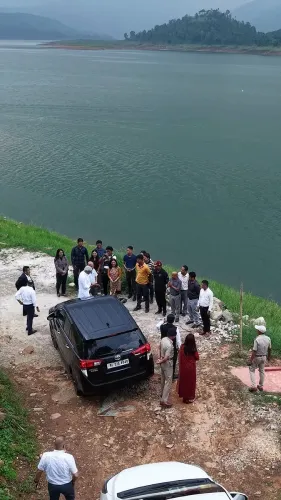
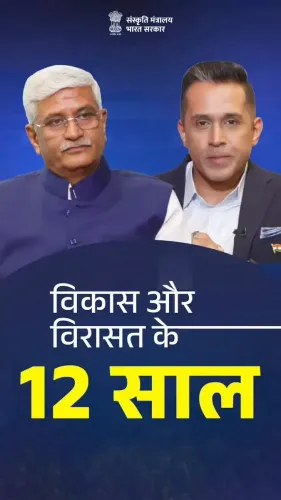
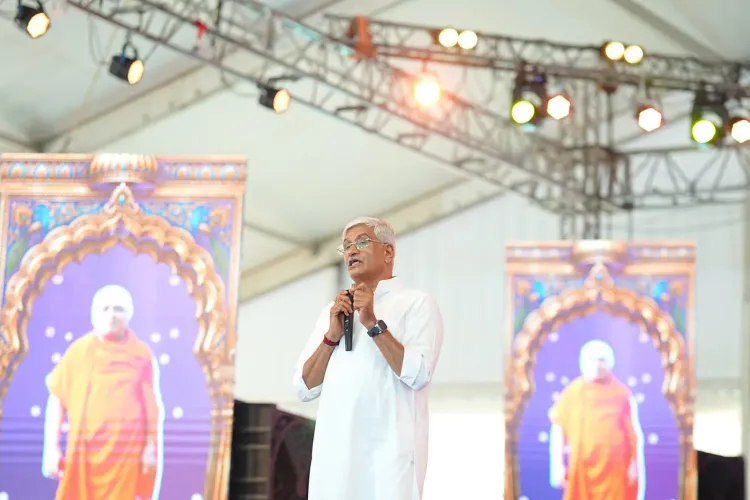
Gajendra Singh Shekhawat posted on June 5, 2026 about an interaction with students, sharing four photographs from the event.
He praised students for asking questions 'without fear or hesitation,' describing it as a reflection of democratic strength.
The minister declared that 'India's future is in safe and capable hands.' The interaction aligns with the National Education Policy 2020 's emphasis on critical thinking and student participation.
BJP -led government ministers have regularly conducted campus outreach since 2014 to highlight youth confidence and civic values.
The specific venue and programme of the interaction were not identified in the post.
Union Culture and Tourism Minister Gajendra Singh Shekhawat on Friday, June 5, 2026, praised the confidence and fearlessness of young students following an interaction with them, saying their ability to ask questions freely reflects the strength of Indian democracy.
Context
Posting on X alongside four photographs from the event, Shekhawat wrote: 'Interacting with young minds is always a refreshing experience. The confidence with which students ask questions, without fear or hesitation, reflects the strength of our democracy and the bright future of our nation.' He concluded with the observation that 'India's future is in safe and capable hands.'
The post, shared from his handle @gssjodhpur, drew attention to the quality of student engagement during what appeared to be a campus visit, though the specific venue and programme were not identified in the post.
Policy Backdrop
The sentiment expressed by the minister aligns with the broader thrust of the National Education Policy (NEP) 2020, which was approved to promote critical thinking, value-based learning, and greater student participation in classrooms. The policy has been a flagship reform of the BJP-led central government, aimed at transforming India's education system from rote learning to experiential and inquiry-based approaches.
Ministers from the central government have regularly engaged with student communities since 2014, using such interactions to highlight youth confidence and civic awareness. These visits are frequently positioned as evidence of the government's commitment to nurturing an empowered, democratically conscious generation.
Stakeholders and Impact
Students and young people are the direct stakeholders in the narrative Shekhawat is advancing. By emphasising that students ask questions 'without fear or hesitation,' the minister frames youth engagement as a democratic virtue — one that the government's education agenda is designed to cultivate.
For the broader education ecosystem, such high-profile endorsements from Union Ministers carry symbolic weight, reinforcing the message that student voice and critical inquiry are valued at the highest levels of government. This can influence institutional culture in schools and colleges across the country.
What's Next
Attention will now turn to the continued rollout of NEP 2020 provisions on experiential learning, as well as any upcoming parliamentary discussions on education funding and curriculum reform. Interactions of this kind are likely to continue as the government approaches key legislative and budgetary milestones in the education sector.
For Shekhawat, who holds the Culture and Tourism portfolio, the outreach to students also signals an intent to position cultural confidence and democratic values as interlinked pillars of India's national identity.
Point of View
The messaging is designed to resonate emotionally with a wide audience while implicitly crediting the government's reform agenda. The timing, coming amid the ongoing NEP 2020 rollout, reinforces the political utility of such interactions. It is a low-risk, high-visibility form of outreach that simultaneously burnishes the minister's public profile and advances a government-wide communication strategy centred on youth empowerment.
NationPress
21 Oct 2026
Frequently Asked Questions
Why did Gajendra Singh Shekhawat visit students in June 2026?
Shekhawat interacted with students as part of what appeared to be a campus visit, praising their confidence and fearlessness in asking questions. The specific venue or programme was not identified in his post.
What did Shekhawat say about India's youth?
He said that students' ability to ask questions without fear reflects the strength of Indian democracy and that 'India's future is in safe and capable hands.'
How does this relate to NEP 2020?
The National Education Policy 2020 promotes critical thinking and student participation in classrooms, values that Shekhawat's remarks directly echo. The policy is a flagship education reform of the BJP-led central government.
Is Gajendra Singh Shekhawat involved in education policy?
Shekhawat holds the Culture and Tourism portfolio, not Education. However, senior ministers across portfolios regularly engage with students as part of the government's broader youth outreach.
What is Gajendra Singh Shekhawat's political background?
He is a senior BJP leader and Lok Sabha MP from Jodhpur, Rajasthan, currently serving as Union Minister of Culture and Tourism in the central government.