Shekhawat Engages Youth on Viksit Bharat Vision
Synopsis
Union Culture and Tourism Minister Gajendra Singh Shekhawat on June 17, 2026, launched a youth dialogue on India's Viksit Bharat @2047 vision — the government's goal of achieving developed-nation status by the centenary of independence — tagging the Tourism Ministry, Culture Ministry, and PMO.
Key Takeaways
Union Minister Gajendra Singh Shekhawat posted a video on June 17, 2026 initiating a dialogue with India's new generation on the Viksit Bharat @2047 goal.
The post frames becoming a 'developed nation' as India's next great post-independence ambition.
The Viksit Bharat @2047 vision was first announced by PM Narendra Modi in his Independence Day address in August 2022 .
Both the Ministry of Tourism and the Ministry of Culture were tagged, alongside @PMOIndia , indicating cross-ministry coordination.
Youth outreach on national development goals has been a recurring theme across BJP-led ministries since 2014 .
Possible follow-up policy actions include youth-focused tourism circuits and cultural-dialogue programmes under the ministry's next action plan.
Union Culture and Tourism Minister Gajendra Singh Shekhawat on Wednesday, June 17, 2026, shared a video on X initiating a dialogue with India's new generation on the country's post-independence goal of becoming a developed nation — the Viksit Bharat @2047 vision. The post, tagged under #Tourism and directed at the ministries of Tourism and Culture as well as the Prime Minister's Office, frames developed-nation status as India's next great national ambition.
Context
Shekhawat's post reads: 'Azaadi ke baad "viksit" banna Bharat ka agla mahan lakshya hai, is par nayi peedhi se samvaad' — translated: 'After independence, becoming "developed" is India's next great goal — a dialogue with the new generation on this.' The framing deliberately echoes the vocabulary of Amrit Kaal, the government's term for the 25-year period between the 75th and 100th anniversaries of Indian independence.
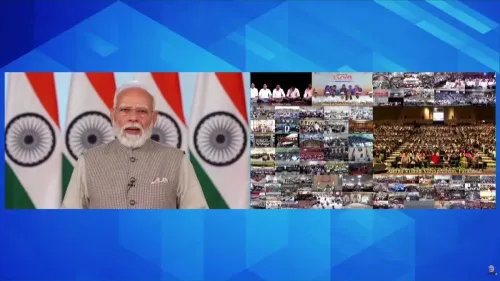
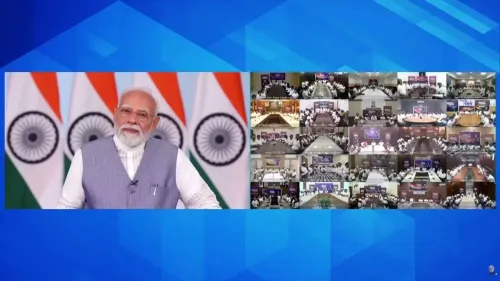
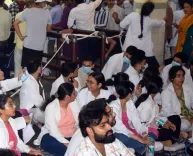
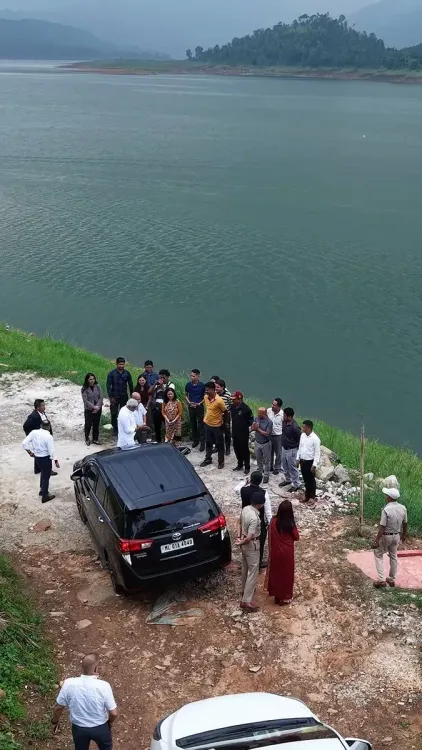
The accompanying video, the only media attached to the post, appears to capture this intergenerational conversation, though the precise venue and participants have not been officially disclosed by the ministry.
Policy Backdrop
The Viksit Bharat @2047 goal was first articulated by Prime Minister Narendra Modi in his Independence Day address in August 2022, setting the target of transforming India into a fully developed nation by the centenary of its independence. Since then, successive BJP-led ministries have woven this aspiration into their sector-specific roadmaps — and the Culture and Tourism Ministry is no exception.
Tourism has been positioned as both a driver of economic growth and a vehicle of soft power within this broader vision. Youth engagement on national goals has been a recurring theme across central ministries since 2014, often linked to schemes promoting domestic tourism, heritage education, and cultural pride.
Stakeholders and Impact
Indian youth are the explicit audience of Shekhawat's outreach, reflecting a wider governmental strategy to build generational ownership of long-horizon national targets. For the tourism sector, such dialogues signal potential policy attention to youth-centric travel circuits and heritage-awareness programmes that could follow.
The Ministry of Tourism and the Ministry of Culture — both under Shekhawat's charge — have been coordinating on initiatives that link cultural heritage with economic activity, making youth a natural bridge constituency between the two portfolios.
What's Next
Observers will watch for any formal programme announcements stemming from this dialogue — including possible youth-focused tourism circuits or structured cultural-engagement initiatives under the ministry's next annual action plan. The tagging of @PMOIndia in the post suggests the outreach may feed into a broader, cross-ministry effort rather than a standalone ministerial exercise.
As 2047 draws closer on the policy calendar, such conversations with younger Indians are likely to intensify, with tourism and culture serving as accessible, high-visibility entry points into the Viksit Bharat narrative.
Point of View
Ensuring both ministries are seen as active contributors to the 2047 vision. The deliberate tagging of the PMO signals this is not a solo ministerial initiative but part of a coordinated, top-down messaging effort ahead of what could be a formal programme rollout. For the tourism sector, positioning youth as both audience and stakeholder in national development goals opens a policy window for new circuits and heritage schemes. The move also reinforces a pattern of the BJP using cultural and aspirational messaging to sustain youth engagement between election cycles.
NationPress
20 Sept 2026
Frequently Asked Questions
What is the Viksit Bharat @2047 goal?
Viksit Bharat @2047 is the Indian government's vision to transform India into a fully developed nation by 2047, the centenary of its independence. Prime Minister Narendra Modi first articulated this goal in his Independence Day address in August 2022.
What did Gajendra Singh Shekhawat post about on June 17, 2026?
Union Culture and Tourism Minister Gajendra Singh Shekhawat shared a video on X on June 17, 2026, initiating a dialogue with India's new generation on the country's goal of becoming a developed nation — the Viksit Bharat @2047 vision.
Who is Gajendra Singh Shekhawat?
Gajendra Singh Shekhawat is India's Union Minister of Culture and Tourism and a senior BJP leader. He is a Lok Sabha MP representing the Jodhpur constituency in Rajasthan.
What is the connection between tourism and Viksit Bharat?
The BJP-led government has positioned tourism and culture as instruments of economic growth and soft power within the Viksit Bharat narrative. Youth engagement on national goals, including through tourism and heritage education, has been a recurring ministerial theme since 2014.
What could follow from Shekhawat's youth dialogue on Viksit Bharat?
Possible follow-up actions include the rollout of youth-focused tourism circuits or structured cultural-dialogue programmes under the Ministry of Tourism's next annual action plan, particularly given the tagging of the PMO in the original post.