Shekhawat attends CEO Roundtable on tourism at summit sidelines
Synopsis
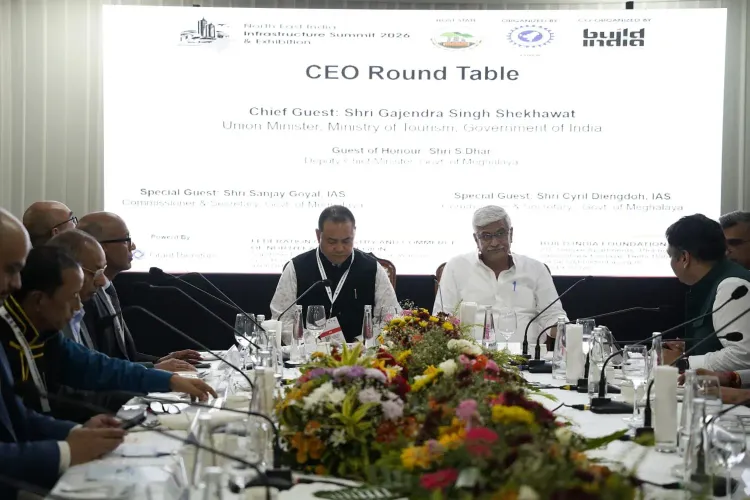
Union Culture and Tourism Minister Gajendra Singh Shekhawat met leading tourism and infrastructure CEOs at a summit-sideline roundtable on June 16, 2026, discussing Modi government initiatives and the Viksit Bharat 2047 development roadmap.
Key Takeaways
Union Culture and Tourism Minister Gajendra Singh Shekhawat attended a CEO Roundtable on June 16, 2026 on the sidelines of a summit.
The roundtable focused on tourism and infrastructure sectors and India's roadmap toward Viksit Bharat by 2047 .
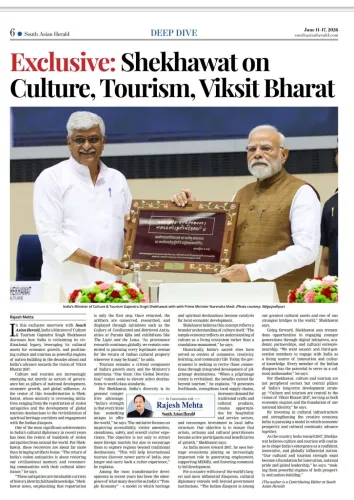
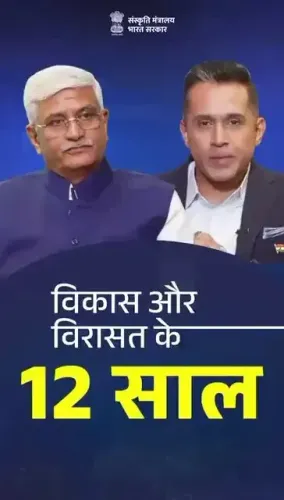
Shekhawat highlighted 'transformative initiatives' undertaken under PM Narendra Modi over the last 12 years .
Key government schemes underpinning the discussion include Swadesh Darshan (2015) and PRASAD (2014-15) for tourism circuit and heritage development.
CEO-level summit-sideline interactions have become a recurring government format for refining tourism policy implementation with private-sector input.
Follow-up investment commitments or policy announcements are expected in the next Union Budget cycle or national tourism conclave.
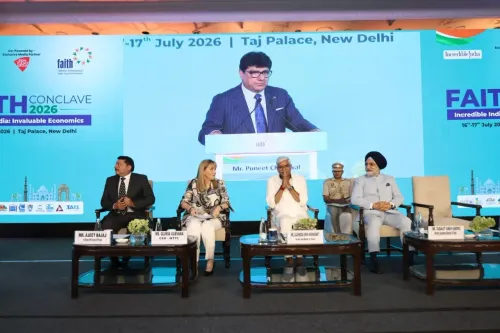
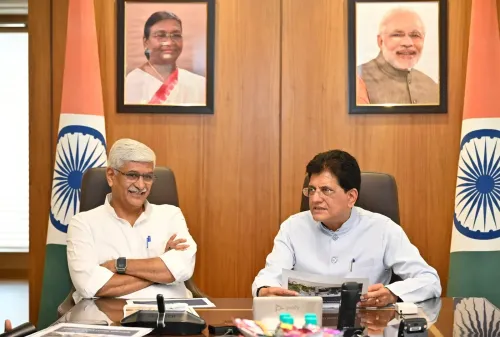
Union Culture and Tourism Minister Gajendra Singh Shekhawat participated in a CEO Roundtable on the sidelines of a summit on Tuesday, June 16, 2026, engaging with senior executives from the tourism and infrastructure sectors to discuss India's development roadmap under Prime Minister Narendra Modi.
Context
Shekhawat shared on X that the roundtable brought together 'leading executives from the tourism and infrastructure sectors' to exchange ideas on the path toward Viksit Bharat by 2047 — the government's flagship vision to transform India into a fully developed economy by the centenary of independence. The minister highlighted 'transformative initiatives undertaken under the leadership' of Prime Minister Modi 'over the last 12 years' as the central thread of discussion.
Such CEO-level interactions on summit sidelines have become a recurring format for the Union government, allowing ministers to refine implementation roadmaps in direct dialogue with private-sector decision-makers rather than through formal bureaucratic channels.
Policy Backdrop
The conversation sits within a decade-long policy architecture that positions tourism as a core growth engine. The Swadesh Darshan scheme, launched in 2015, funds the development of theme-based tourist circuits, while the PRASAD scheme, introduced in 2014-15, targets integrated development of pilgrimage and heritage destinations. A draft National Tourism Policy circulated in 2021 further emphasised sustainable tourism and increased private investment as twin pillars.
Successive Union Budgets have set targets for rising foreign tourist arrivals and domestic travel, with upgraded connectivity and restored heritage sites cited as key enablers. The Viksit Bharat 2047 framework ties these sectoral goals into a single national ambition, giving roundtable discussions like this one a direct policy anchor.
Stakeholders and Impact
Tourism and infrastructure executives at the roundtable represent the private capital and operational expertise the government needs to translate scheme allocations into on-ground outcomes — from hotel and resort development near heritage corridors to last-mile connectivity for pilgrimage circuits. Their input at this stage can shape the contours of future budget allocations or scheme guidelines.
For the broader tourism ecosystem — including state governments, local hospitality businesses, and communities around heritage sites — such high-level dialogue signals continued federal attention to the sector and potential for fresh investment commitments in the next policy cycle.
What's Next
Observers will watch for follow-up policy announcements or investment pledges linked to tourism circuits in the next Union Budget cycle or at a forthcoming national tourism conclave. The minister's active engagement with CEOs on the Viksit Bharat roadmap suggests the government is in an active consultation phase ahead of any such announcements.
With 2047 as the long-horizon target, the immediate test is whether ideas exchanged at roundtables like this translate into measurable scheme expansions or new public-private partnership frameworks in the near term.
Point of View
The minister signals that private capital is being courted as an essential co-author of that vision, not merely a beneficiary. The pattern of summit-sideline CEO interactions also reflects a deliberate outreach style — informal enough to generate candid input, visible enough to project policy seriousness. The real measure of these engagements will come when budget allocations or scheme revisions reflect the ideas exchanged.
NationPress
19 Sept 2026
Frequently Asked Questions
What is Viksit Bharat 2047?
Viksit Bharat 2047 is the Indian government's official vision to transform India into a fully developed economy by 2047, the centenary of independence, spanning sectors including tourism, infrastructure, and manufacturing.
What did Gajendra Singh Shekhawat discuss at the CEO Roundtable?
Shekhawat discussed transformative tourism and infrastructure initiatives undertaken under PM Modi over the last 12 years and exchanged ideas with industry executives on the roadmap toward Viksit Bharat 2047.
What are the Swadesh Darshan and PRASAD schemes?
Swadesh Darshan, launched in 2015, funds theme-based tourist circuits across India, while PRASAD, introduced in 2014-15, supports integrated development of pilgrimage and heritage destinations — both are central to India's national tourism policy.
Why does the government hold CEO roundtables on summit sidelines?
These informal high-level meetings allow ministers to gather direct private-sector input on policy implementation, which can feed into scheme revisions or budget priorities, without the formality of official consultations.
What should we watch for after Shekhawat's tourism roundtable?
Analysts and industry stakeholders will watch for follow-up investment commitments, new public-private partnership frameworks, or expanded scheme allocations in the next Union Budget cycle or at a national tourism conclave.