Shekhawat at FAITH Tourism Conclave 2026: Tourism as Viksit Bharat Pillar
Synopsis
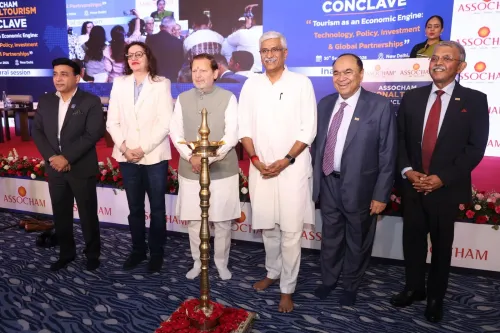
Union Tourism Minister Gajendra Singh Shekhawat attended the FAITH Tourism Conclave 2026 on 16 July, engaging industry leaders and investors to position tourism as a strategic pillar for employment, investment, heritage conservation and PM Modi's Viksit Bharat 2047 goal.
Key Takeaways
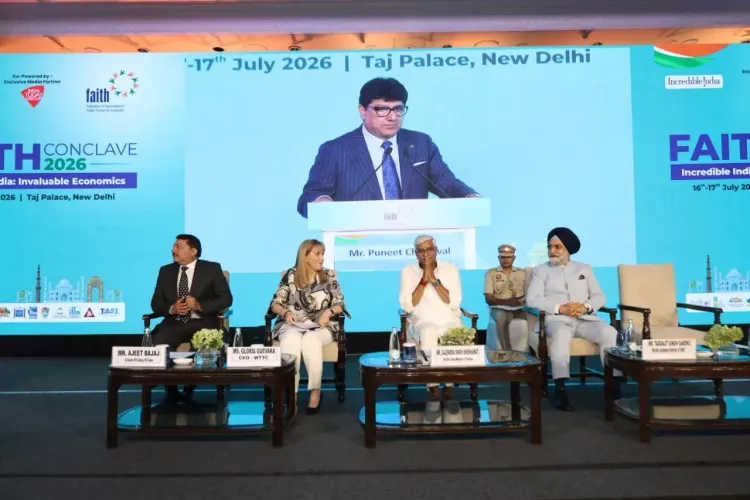
Gajendra Singh Shekhawat participated in the FAITH Tourism Conclave 2026 on 16 July 2026 , meeting policymakers, investors and industry leaders.
The conclave was held under the theme 'Incredible India: Invaluable Economy' , linking tourism to broader economic goals.
PM Narendra Modi's vision frames tourism as a pillar of employment, entrepreneurship, investment and cultural heritage preservation.
The engagement aligns tourism sector growth with the Viksit Bharat 2047 framework for a developed India.
Shekhawat called for a strong public-private partnership to make India the world's most preferred tourism destination.
Policy lineage includes Swadesh Darshan , PRASHAD , Dekho Apna Desh and a 2022 National Tourism Policy draft emphasising sustainable tourism and private investment.
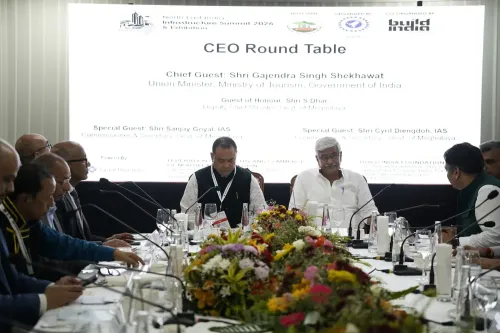
Union Culture and Tourism Minister Gajendra Singh Shekhawat participated in the FAITH Tourism Conclave 2026 on Thursday, 16 July 2026, engaging with policymakers, industry leaders, investors and experts to deliberate on the potential of India's tourism sector.
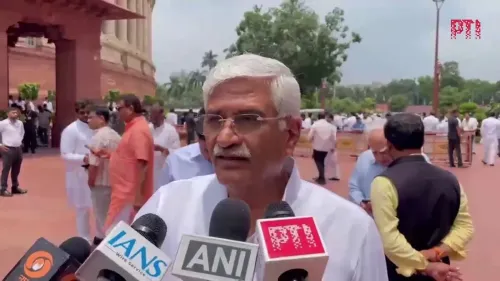
Posting on X after the conclave, Shekhawat wrote: 'FAITH Tourism Conclave 2026 mein paryatan kshetra se jude niti-nirmataon, udyog jagat ke agrani pratinidhiyon, niveshkon evam visheshagyon ke saath sahbhagita kar Bharat ke paryatan kshetra ki sambhavanaon par vichar-vimarsh kiya' — ('At the FAITH Tourism Conclave 2026, I engaged with policymakers, leading industry representatives, investors and experts to deliberate on the possibilities of India's tourism sector.')
Context
The conclave was organised by FAITH (Federation of Associations in Indian Tourism and Hospitality), the apex industry body that brings together tourism and hospitality associations from across the country. Shekhawat invoked the theme 'Atulya Bharat: Amulya Arthavyavastha' — 'Incredible India: Invaluable Economy' — framing tourism as a driver of employment, entrepreneurship, investment and cultural heritage preservation.
The minister stated that Prime Minister Narendra Modi's resolve is to make tourism 'a powerful pillar of employment, entrepreneurship, investment, cultural heritage conservation and the building of a developed India.' This directly links the sector's growth to the government's larger Viksit Bharat 2047 vision of a fully developed India by the centenary of independence.
Policy Backdrop
The government's emphasis on tourism as an economic multiplier has a long policy lineage. The Swadesh Darshan and PRASHAD schemes, both launched in 2014-15, focused on developing theme-based tourist circuits and integrated pilgrimage-heritage destinations respectively. Post-pandemic campaigns such as Dekho Apna Desh and Incredible India 2.0 further reinforced domestic travel and digital outreach.
A draft National Tourism Policy circulated in 2022 emphasised sustainable tourism, ease of doing business, and private-sector investment — themes that appear to carry forward into the 2026 conclave's agenda. The 'Incredible India: Invaluable Economy' framing signals a sharper economic lens on the sector compared to earlier campaigns that led with cultural appeal.
Stakeholders and Impact
The conclave brought together a cross-section of the tourism ecosystem — from state tourism departments and heritage site administrators to private investors and hospitality operators. For youth employment seekers, tourism remains one of the highest labour-absorbing sectors, and any policy acceleration could translate into significant job creation at the grassroots level.
Shekhawat underscored that 'a strong partnership between the government and the tourism industry will play a decisive role in making India the world's most attractive and preferred tourism destination.' This public-private partnership framing is consistent with the broader pattern of using high-level conclaves to signal policy continuity and stimulate competitive investment from states.
What's Next
Industry observers will watch for any updated National Tourism Policy or fresh investment guidelines that may follow the conclave, as well as project approvals under central schemes for 2026-27. Tourist arrival data for the year will serve as a key benchmark for measuring whether the sector is on track to meet the ambitious targets embedded in the Viksit Bharat 2047 framework. State governments competing for central scheme allocations are also expected to sharpen their tourism pitches in the months ahead.
Point of View
Tying it explicitly to the Viksit Bharat 2047 narrative. The 'Incredible India: Invaluable Economy' framing marks a rhetorical shift — moving beyond cultural branding toward a harder economic pitch aimed at institutional investors and state governments. High-level ministerial participation in industry conclaves also serves a signalling function, reassuring stakeholders of policy continuity after a period of post-pandemic disruption. Whether the conclave produces concrete policy outputs — a revised National Tourism Policy, new investment incentives — will determine if the momentum translates beyond optics.
NationPress
15 Oct 2026
Frequently Asked Questions
What is the FAITH Tourism Conclave 2026?
The FAITH Tourism Conclave 2026 is an annual high-level gathering organised by FAITH (Federation of Associations in Indian Tourism and Hospitality) that brings together policymakers, industry leaders, investors and experts to discuss the future of India's tourism sector.
What did Gajendra Singh Shekhawat say at the FAITH Tourism Conclave 2026?
Shekhawat said that PM Modi's resolve is to make tourism a powerful pillar of employment, entrepreneurship, investment and cultural heritage conservation, and that a strong government-industry partnership will make India the world's most preferred tourism destination.
What is the 'Incredible India: Invaluable Economy' theme?
'Incredible India: Invaluable Economy' is the government's framing that connects India's tourism promotion campaign with broader economic goals, positioning the sector as a key contributor to employment, investment and the Viksit Bharat 2047 vision.
What is Viksit Bharat 2047 and how does tourism fit in?
Viksit Bharat 2047 is the Indian government's goal of achieving developed-nation status by 2047, the centenary of independence. Tourism has been positioned as a strategic sector within this framework for its potential to generate employment and attract foreign investment.
What are the key tourism schemes the Indian government has launched?
Key schemes include Swadesh Darshan (theme-based tourist circuits, launched 2014-15), PRASHAD (pilgrimage and heritage destination development, 2014-15), Dekho Apna Desh (domestic travel promotion) and Incredible India 2.0 (digital outreach), alongside a draft National Tourism Policy circulated in 2022.