Shekhawat eyes 100 crore tourists, credits Modi's brand push
Synopsis
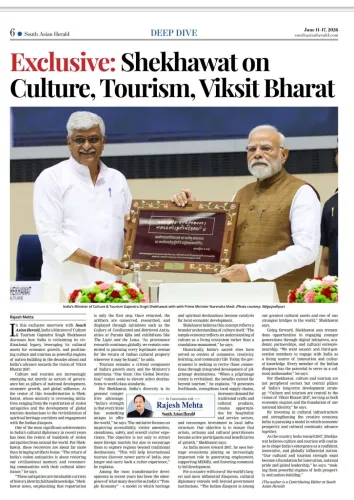
Union Tourism Minister Gajendra Singh Shekhawat has expressed hope that India will reach 100 crore tourist arrivals, crediting Prime Minister Modi's rebranding of India's global image. The statement underlines the government's sustained push to position India as a world-class destination through schemes like Swadesh Darshan and Incredible India.
Key Takeaways
Union Tourism Minister Gajendra Singh Shekhawat stated on 29 May 2026 that India hopes to reach 100 crore tourist arrivals .
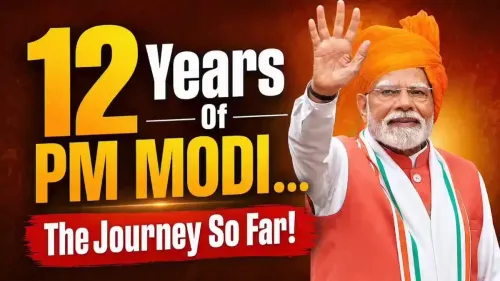
He attributed the ambition to PM Narendra Modi 's effort to build a 'new and magnificent' image of India globally.
The government's tourism framework includes Swadesh Darshan , PRASAD , and the Incredible India campaign, all launched or relaunched post- 2014 .
A revised National Tourism Policy drafted in 2022 sets out growth targets through 2030 .
India's actual foreign tourist arrivals remain in the low tens of millions annually; the 100-crore figure has not been formally defined with a specific timeline.
The next Union Budget and upcoming travel marts will be watched for any formalisation of this target.
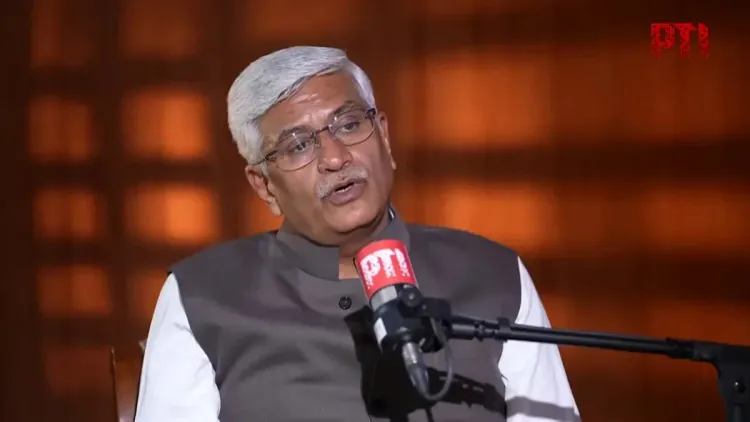
Union Culture and Tourism Minister Gajendra Singh Shekhawat on Friday, 29 May 2026, expressed confidence that India could reach a landmark of 100 crore tourist arrivals, attributing the momentum to what he described as a transformed national image built under Prime Minister Narendra Modi.
Posting on X, Shekhawat wrote in Hindi: 'Modi ji ne Bharat ki nayi aur shandar chhavi banayi hai, humein paryatakon ki sankhya 100 crore tak pahunchne ki umeed hai' — translating broadly as, 'Modi ji has built a new and magnificent image of India; we hope the number of tourists will reach 100 crore.'
Context
The remark reflects the BJP-led government's long-running effort to position India as a premier global travel destination. Since 2014, successive policy initiatives have framed tourism not merely as an economic sector but as an instrument of cultural diplomacy and soft power. Shekhawat's post crystallises that narrative in a single aspirational figure.
The 100-crore figure is striking given that India's foreign tourist arrivals — even in strong pre-pandemic years — remained in the low tens of millions annually. The minister's statement appears to encompass both domestic and international visitors, though the post does not specify the timeline or methodology for reaching that target.
Policy Backdrop
The government's tourism architecture rests on several flagship programmes. The Swadesh Darshan scheme, launched in 2014-15, funds thematic tourist circuits across states, while the PRASAD scheme targets integrated development of pilgrimage destinations. Together, they have channelled investment into heritage sites, connectivity, and visitor infrastructure.
The Incredible India campaign — relaunched post-2014 with sharper international marketing — has been the government's primary brand vehicle. A revised National Tourism Policy drafted in 2022 set out sustainable growth targets through 2030, and India's presidency of the G20 in 2023 was used extensively to showcase cultural heritage to a global audience.
Budget allocations for tourism infrastructure have grown steadily, and visa facilitation reforms — including the expansion of the e-visa programme to more countries — have been cited by the ministry as key enablers of arrival growth.
Stakeholders and Impact
The tourism and hospitality industry stands to gain most directly from any sustained surge in arrivals. Hotels, airlines, travel operators, and local artisan economies in heritage circuits are all linked to the sector's performance. State governments, particularly those with significant pilgrimage or heritage assets, have aligned their own tourism budgets with central schemes.
For the BJP, tourism growth also carries political weight: it reinforces the party's narrative of economic transformation and cultural renaissance under Modi. Shekhawat, as the minister responsible, has a direct stake in translating aspirational targets into measurable outcomes ahead of future electoral cycles.
What's Next
Attention will now turn to the next Union Budget for concrete allocations toward tourism infrastructure, and to whether the ministry formalises the 100-crore figure as an official target in parliamentary statements or at upcoming international travel marts. Any revised national tourism targets tied to a specific year would give the aspiration a firmer policy footing and invite closer scrutiny of the data underpinning it.
Point of View
However aspirational, serves a political purpose: it sets a headline number that keeps tourism on the national agenda and ties the ministry's performance to the Prime Minister's brand. The gap between that ambition and current arrival data is wide, which means the minister will face pressure to back the claim with a credible roadmap. How the government translates this rhetoric into budget lines and policy reforms will determine whether the statement is remembered as vision or hyperbole.
NationPress
15 Oct 2026
Frequently Asked Questions
What is Gajendra Singh Shekhawat's 100 crore tourist target?
Union Tourism Minister Gajendra Singh Shekhawat expressed hope on 29 May 2026 that India's total tourist arrivals will reach 100 crore, attributing the ambition to PM Modi's work in building India's global image. No specific year-end deadline for the target was mentioned in the post.
How many tourists visit India currently?
India's foreign tourist arrivals have historically remained in the low tens of millions per year, well below the 100-crore figure cited by the minister. The 100-crore aspiration likely encompasses both domestic and international visitors, though the ministry has not formally defined the metric.
What is the Swadesh Darshan scheme?
Swadesh Darshan is a central government scheme launched in 2014-15 to develop thematic tourist circuits across Indian states, funding infrastructure at heritage, eco, wildlife, and pilgrimage sites to boost visitor numbers and local economies.
What is the Incredible India campaign?
Incredible India is the Government of India's flagship tourism promotion campaign, relaunched after 2014 with renewed focus on international marketing, heritage circuits, and positioning India as a premium global travel destination.
What is the PRASAD scheme in tourism?
PRASAD — Pilgrimage Rejuvenation and Spiritual, Heritage Augmentation Drive — is a government scheme introduced in 2014-15 for the integrated development of pilgrimage destinations, improving infrastructure and visitor facilities at major religious sites across India.