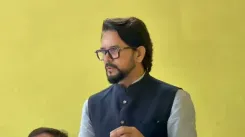
Shekhawat calls tourism India's growth engine on World Tourism Day
Synopsis
On World Tourism Day 2026, Union Minister Gajendra Singh Shekhawat declared tourism a pillar of employment and youth opportunity, urging citizens to commit to making India the world's leading destination under the Viksit Bharat vision.
Key Takeaways
Union Tourism Minister Gajendra Singh Shekhawat posted on World Tourism Day, 27 September 2026 , positioning tourism as an economic engine, not mere leisure.
He linked the push to PM Narendra Modi 's Viksit Bharat vision of a fully developed India by 2047 .
The government's Swadesh Darshan (2015) and PRASAD (2014–15) schemes form the policy backbone for heritage and pilgrimage-led tourism growth.
The Incredible India campaign, running since 2002 , remains the country's primary international branding tool for tourism.
Shekhawat's stated goal: make India's rich heritage, culture, and natural diversity a source of 'new opportunities for crores of the country's youth.' Budget allocations and economic survey data on tourism's GDP and employment share will be key indicators of whether ambitions are met.
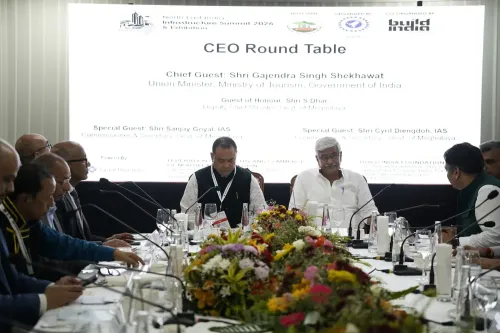
On World Tourism Day, 27 September 2026, Union Culture and Tourism Minister Gajendra Singh Shekhawat framed India's tourism ambition in its starkest economic terms yet — not as sightseeing, but as the engine of jobs, local prosperity, and national development for crores of young Indians.
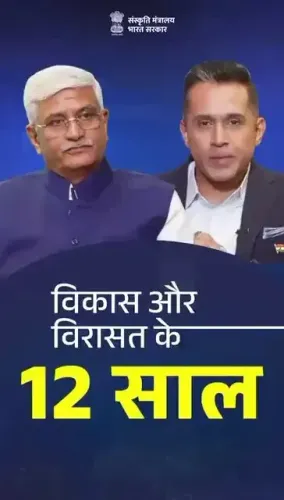
Posting in Hindi on X, Shekhawat declared: 'पर्यटन आज केवल विभिन्न स्थानों में घूमना नहीं है' — 'Tourism today is not merely visiting different places; it is also becoming a powerful foundation for employment, local economies, and development.' The message, tagged to @incredibleindia and @PMOIndia, called on citizens to strengthen the collective resolve to make India the world's leading tourist destination.
Viksit Bharat's tourism bet
The minister anchored his appeal in Prime Minister Narendra Modi's Viksit Bharat vision — the government's roadmap to a fully developed India by 2047. Under that framework, tourism is not a lifestyle sector but a structural pillar: a way to convert India's civilisational depth — its heritage sites, living culture, and geographic diversity — into durable economic output. Shekhawat's core argument is that this wealth must translate into 'new opportunities for crores of the country's youth.'
That framing is backed by a policy architecture built over more than a decade. The Swadesh Darshan scheme, launched in 2015, created theme-based tourist circuits and upgraded infrastructure across states. The PRASAD scheme, introduced in 2014–15, targeted pilgrimage and heritage destinations to develop spiritual and cultural tourism. Both programmes feed into the same thesis: that India's past is one of its most bankable economic assets.
The Incredible India brand and the long game
Behind every policy push stands the Incredible India campaign — launched in 2002 and still the country's primary international tourism brand. The campaign has run alongside domestic schemes to lift both inbound foreign arrivals and domestic footfall simultaneously. The dual track matters: domestic tourism cushions the sector from global shocks while international arrivals bring in foreign exchange and reputational lift.
Successive governments have leaned on the same core insight — that India's heritage sites and natural assets are underleveraged — but the current government has deliberately wired these efforts into a broader national-development narrative. Shekhawat's World Tourism Day post is part of that sustained messaging: tourism as patriotic project, not just leisure industry.
What the next budget and surveys will reveal
The real test of these ambitions lies in the numbers that budget allocations and economic surveys will eventually produce: tourism's share of GDP, its contribution to formal employment, and how many new circuits have actually drawn visitors. The minister's call to make India the 'world's leading tourism destination' is a political commitment — but one that infrastructure spending, state-level coordination, and visa policy will ultimately have to honour.
On a day the world marks the economic and cultural power of travel, India's tourism minister is making a pointed argument: the country's greatest soft-power asset is also its most underdeveloped hard-economy opportunity. Whether the policy machinery catches up with the rhetoric is the story worth watching.
Point of View
The ministry is signalling that tourism is being mainstreamed into long-term development planning rather than treated as a peripheral sector. The consistent invocation of youth employment is politically significant, addressing one of India's most pressing structural challenges through a sector that can absorb labour at scale and across geographies. The durability of this framing will depend on whether infrastructure spending and ease-of-travel improvements keep pace with the ambition.
NationPress
27 Sept 2026
Frequently Asked Questions
What did Gajendra Singh Shekhawat say on World Tourism Day 2026?
Shekhawat posted on X calling tourism a powerful foundation for employment, local economies, and development — not just sightseeing — and urged Indians to commit to making India the world's leading tourist destination under PM Modi's Viksit Bharat vision.
What is the Viksit Bharat vision and how does tourism fit in?
Viksit Bharat is the Indian government's roadmap to a fully developed India by 2047. Tourism is positioned as a key contributor to this goal by converting India's heritage, culture, and natural diversity into sustained economic output and youth employment.
What are the Swadesh Darshan and PRASAD schemes?
Swadesh Darshan, launched in 2015, funds theme-based tourist circuits and infrastructure across Indian states. PRASAD, introduced in 2014–15, develops pilgrimage and heritage destinations to promote spiritual and cultural tourism.
What is the Incredible India campaign?
Incredible India is India's flagship international tourism branding campaign launched in 2002 by the Ministry of Tourism to promote the country as a global tourist destination. It runs alongside domestic schemes to boost both foreign arrivals and domestic footfall.
Why is World Tourism Day observed on 27 September?
World Tourism Day is an annual observance by UN Tourism held every 27 September to highlight the economic, social, and cultural contributions of tourism worldwide and to promote sustainable travel practices.