26/11 anniversary: Eknath Shinde says 'not a fearful India' now
Synopsis
Eighteen years after 26/11, Eknath Shinde used the NSG memorial at the Gateway of India to send a pointed message: India no longer stops at condemnation. Recalling Tukaram Omble's capture of Kasab, he said today's 'new India' hits terrorists inside their hideouts.
Key Takeaways
Eknath Shinde paid tribute to 26/11 martyrs at the Gateway of India , Mumbai , on 26 November 2026 .
He said India is now a “new India” that strikes terrorists inside their hideouts when necessary.
The NSG ’s ‘NEVEREVER’ memorial was attended by NSG DG Srinivasan , Maj Gen Mukesh Garhwal and Force One DG S.
Shinde credited Tukaram Omble ’s capture of Ajmal Kasab with exposing Pakistan ’s terror operations.
He cited airstrikes as evidence of a security shift since 2014 under PM Narendra Modi and Amit Shah .
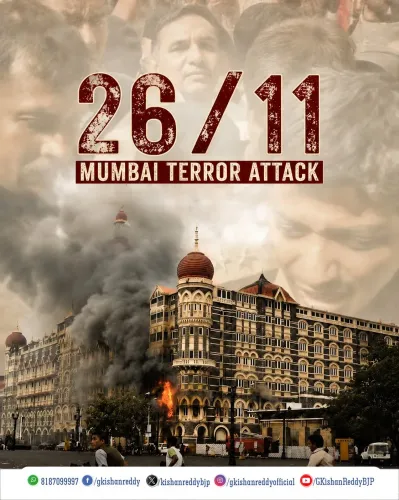
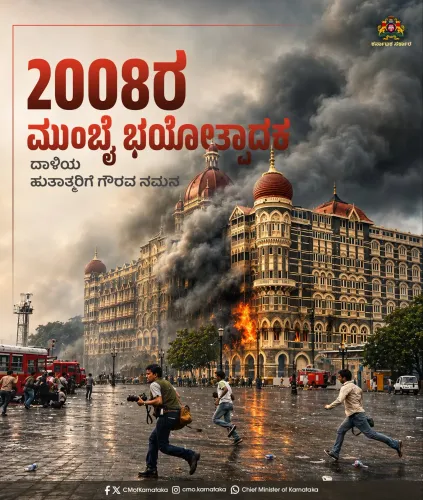
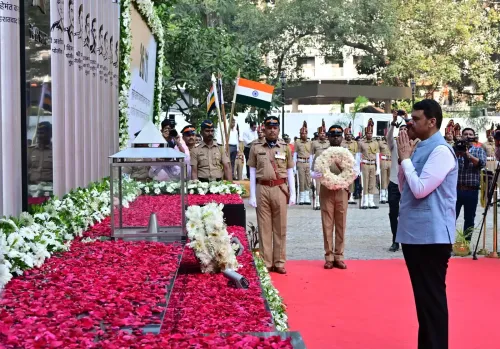
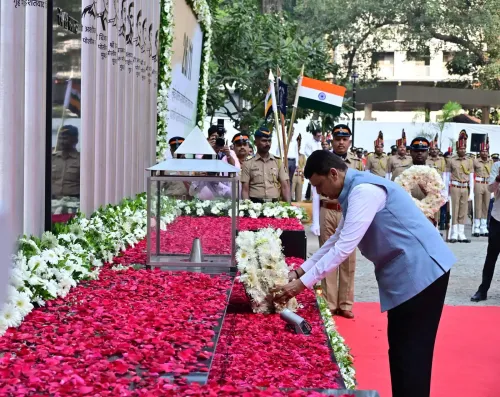
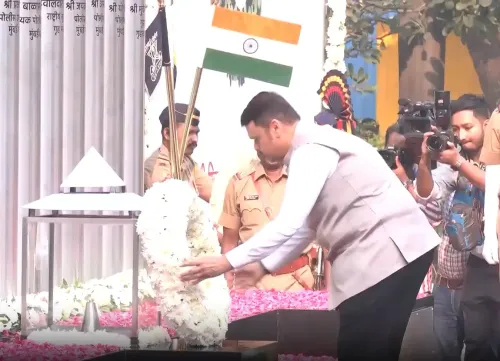
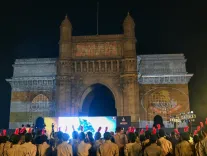
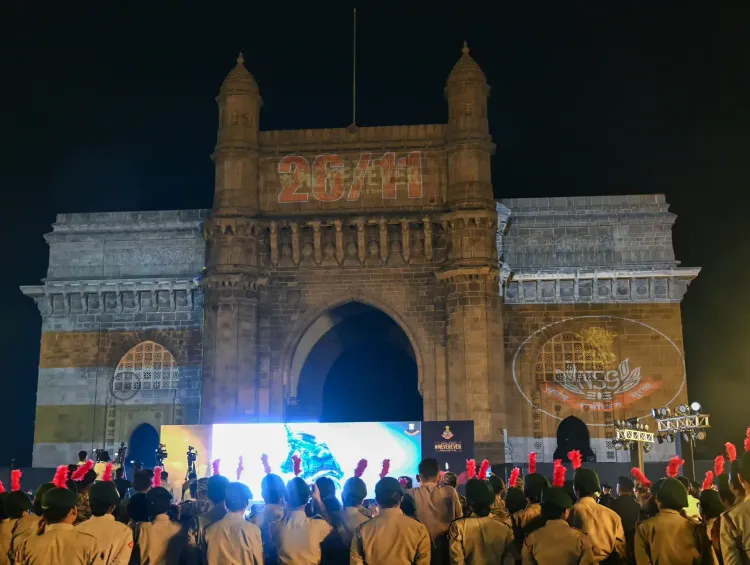
Maharashtra Deputy Chief Minister Eknath Shinde on Thursday, 26 November 2026, paid tribute to the martyrs of the 26/11 Mumbai terror attacks. He declared that India is no longer a nation that cowers in fear but a “new India” that responds in kind to terrorists and strikes inside their hideouts when necessary. Shinde spoke at the Gateway of India in Mumbai, where the National Security Guard (NSG) held its ‘NEVEREVER’ memorial and pledge ceremony to mark the anniversary of the 2008 attacks.
Key Developments at the Gateway of India
The ceremony marked 18 years since the attacks. It was attended by NSG Director General Srinivasan, Major General Mukesh Garhwal, Force One Director General S. Jayakumar, families of martyred police personnel and civilians, security officials and Mumbai residents.
On behalf of the Maharashtra government, Shinde offered condolences to the families of those who lost their lives. He honoured the service personnel, police officers and staff killed during the attacks.
Shinde Recalls Omble, Karkare and Unnikrishnan
Shinde named several of the officers who died in the attacks: Major Sandeep Unnikrishnan, Hemant Karkare, Ashok Kamte, Vijay Salaskar and Tukaram Omble.
He gave particular attention to Omble, who helped capture terrorist Ajmal Kasab alive despite suffering fatal injuries. Shinde called this a proud chapter in Mumbai Police history. He said it exposed Pakistan’s terror operations before the world.
He added that the courage of Mumbai Police and NSG commandos saved thousands of lives. According to Shinde, their bravery allowed Mumbai to rise again and showed India’s resolve to the world.
What Shinde Said on National Security
Shinde then turned to what has changed since Prime Minister Narendra Modi took office in 2014. He said the government has placed greater emphasis on national security, intelligence agencies and defence preparedness. He also credited efforts to strengthen internal security under Union Home Minister Amit Shah.
He said the armed forces can respond “in the same language” to any threat along the borders. He cited operations such as airstrikes as proof of a changed approach, one that delivers decisive responses instead of stopping at condemnation.
Shinde’s framing fits a broader political message. Leaders of the Bharatiya Janata Party (BJP) and its allies have often contrasted the response to the 2008 attacks with the security posture adopted after 2014.
A Call for Citizen Vigilance
Shinde said national security is a collective duty, not only the job of the security forces. He urged citizens to stay vigilant to protect India’s unity, integrity and sovereignty.
He said enemies of humanity can never be forgiven. He closed by recalling the debt owed to fallen soldiers: “Jinaki wajah se aaj hamari zindagi hai, un shaheedon ke hum karzdar hain.” The line roughly means that the nation is indebted to the martyrs because of whom its people live today.
Why the Anniversary Still Matters
The 26/11 anniversary remains one of Mumbai’s most significant public observances. It brings together the families of victims, the city police and national security agencies.
The NSG’s ‘NEVEREVER’ pledge carries the message that such an attack must never be allowed to happen again. Speeches like Shinde’s are likely to keep tying the memory of 26/11 to wider debates on India’s counter-terror readiness and its stance towards cross-border terrorism.
Point of View
Which presents post-2014 airstrikes as a clean break from 2008. The rhetoric of striking terrorists in their hideouts resonates, but deterrence is only half the lesson of 26/11. The other half is coastal surveillance, intelligence coordination and urban police readiness, and those are measured in drills and equipment, not speeches. Omble's sacrifice is a reminder that the first line of defence was an unarmoured constable, and that is where accountability should stay focused.
NationPress
26 Nov 2026
Frequently Asked Questions
What did Eknath Shinde say on the 26/11 anniversary?
Eknath Shinde said India is no longer a fearful nation but a 'new India' that responds in kind to terrorists and strikes inside their hideouts when necessary. He made the remarks at the NSG's memorial ceremony at the Gateway of India on 26 November 2026.
Which 26/11 martyrs did Shinde remember?
Shinde named Major Sandeep Unnikrishnan, Hemant Karkare, Ashok Kamte, Vijay Salaskar and Tukaram Omble. He singled out Omble for helping capture terrorist Ajmal Kasab alive despite fatal injuries.
What is the NSG NEVEREVER ceremony?
It is the National Security Guard's memorial and pledge ceremony held at the Gateway of India to mark the anniversary of the 2008 Mumbai attacks. This year it was attended by top NSG and Force One officials, families of martyrs and Mumbai residents.
Why did Shinde mention Tukaram Omble's role?
Shinde said Omble's capture of Ajmal Kasab alive is a proud chapter in Mumbai Police history. He said it exposed Pakistan's terror operations before the world.
What change in India's security approach did Shinde highlight?
He said that since 2014, under PM Narendra Modi and Home Minister Amit Shah, there has been greater focus on national security, intelligence and defence preparedness. He cited airstrikes as evidence that India now delivers decisive responses rather than only condemning attacks.