Eknath Shinde at Business Conclave: Maharashtra eyes $1 trillion economy, 35 lakh homes by 2030
Synopsis
At a Mumbai business conclave, Deputy CM Eknath Shinde laid out Maharashtra’s most comprehensive growth pitch yet — ₹4 lakh crore in MMR deals already signed, a 337 km metro network under construction, 35 lakh affordable homes targeted by 2030, and a direct play for Mumbai to become a $1.5 trillion global financial hub. The question is whether execution matches the scale of the ambition.
Key Takeaways
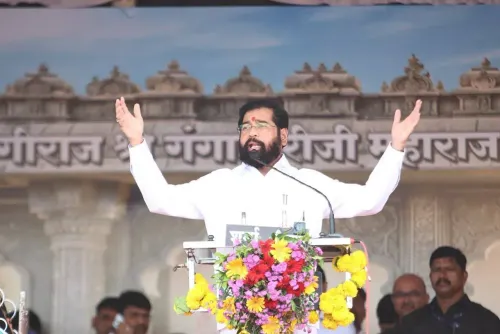
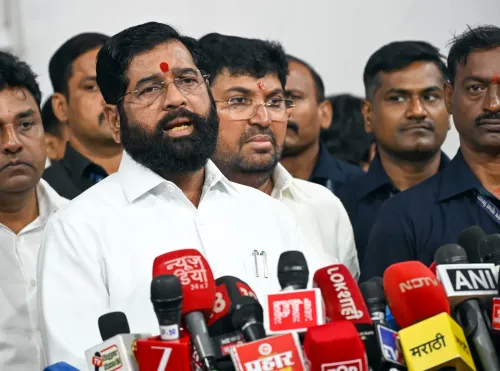
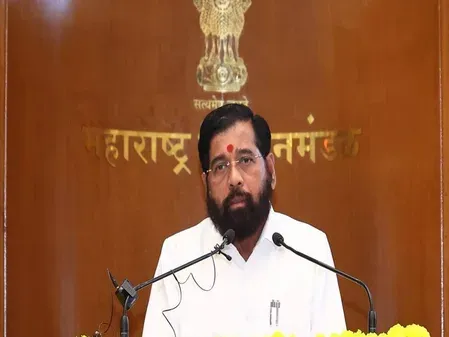
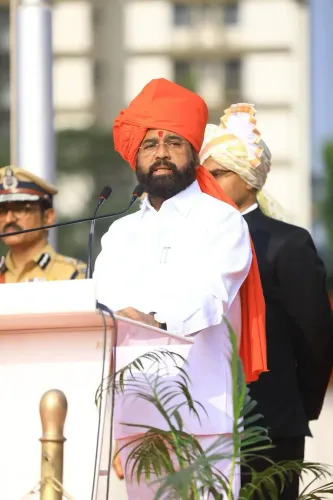
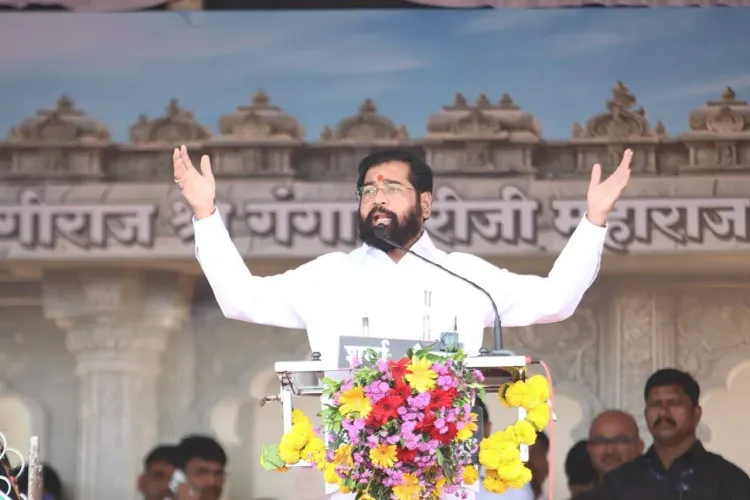
Deputy CM Eknath Shinde addressed a Business Conclave in Mumbai on 25 August , calling for citizens and industry to be ‘change makers’.
Agreements worth approximately ₹4 lakh crore have been signed for the Mumbai Metropolitan Region (MMR) , which Shinde says can become a $1.5 trillion economy .
A 337 km metro network is under development across the MMR, integrating rail, road, metro, and water transport.
The state targets 35 lakh affordable homes for EWS and LIG categories by 2030 .
MMRDA’s partnership with the World Economic Forum (WEF) aims to position Mumbai as a global fintech hub.
Cities including Nagpur , Pune , Nashik , and Chhatrapati Sambhajinagar are being developed as self-sustaining economic hubs.
Maharashtra Deputy Chief Minister Eknath Shinde on Tuesday, 25 August called on citizens and industry leaders to become “change makers” in accelerating the state’s growth, speaking at a Business Conclave in Mumbai. Shinde outlined an ambitious blueprint spanning infrastructure, climate resilience, affordable housing, and regional equity as Maharashtra charts a course toward a $1 trillion economy.
Infrastructure Push Across MMR and Beyond
Shinde highlighted a slate of flagship infrastructure projects already under way or in acceleration, including the Mumbai Metro, Coastal Road, Samruddhi Mahamarg, and Vadhavan Port. He specifically cited game-changing assets in the Mumbai Metropolitan Region (MMR) — Atal Setu (MTHL), the Bullet Train, and Metro Line 3 — as catalysts for enterprise and job creation.
A 337 km metro network is currently under development across the MMR, with an emphasis on multi-modal integration linking rail, road, metro, and water transport systems. Shinde said these initiatives are designed to convert Mumbai and its surrounding region into a globally competitive economic corridor.
Mumbai as a Global Financial and Fintech Hub
According to Shinde, a concrete roadmap exists to double Mumbai’s GDP and position the city as a global financial centre. Agreements worth approximately ₹4 lakh crore have already been signed for the MMR, which, he said, has the potential to become a $1.5 trillion economy.
The Mumbai Metropolitan Region Development Authority (MMRDA)’s strategic partnership with the World Economic Forum (WEF) is expected to cement Mumbai’s standing as a global fintech hub, according to Shinde’s remarks at the conclave.
Climate Action and Coastal Resilience
Acknowledging climate change as a pressing challenge for a state with extensive coastlines and diverse geography, Shinde said environmental considerations are now central to state planning. The State Climate Action Plan focuses on adaptation and emission reduction, he noted.
To counter rising temperatures, urban flooding, sea-level rise, and pollution in coastal cities such as Mumbai, the state is prioritising flood control, coastal protection, green cover expansion, rainwater management, sustainable transport, and technology-driven urban planning.
Regional Balance and Affordable Housing
Rejecting a Mumbai-centric development model, Shinde said the government is actively connecting regions including Vidarbha, Marathwada, Konkan, and Western Maharashtra to the state’s growth story. Cities such as Nagpur, Pune, Nashik, Chhatrapati Sambhajinagar, Thane, and Navi Mumbai are being developed into self-sustaining economic hubs through industrial parks, IT zones, logistics hubs, and employment clusters.
On housing, Shinde said the state’s policy targets the construction of 35 lakh affordable homes for Economically Weaker Sections (EWS) and Low-Income Groups (LIG) by 2030. The Hindu Hridaysamrat Balasaheb Thackeray Nagri Lokkalyan Abhiyan is being deployed to redevelop existing slums while using technology to prevent new informal settlements from taking root.
Open Invitation to Global Investors
Shinde extended an open invitation to both global and domestic investors, reaffirming the state government’s commitment to generating local employment for youth and contributing to the broader goal of a developed India. Maharashtra’s developmental vision, he stressed, goes beyond economic metrics — aiming for an economy that is modern, sustainable, globally competitive, and citizen-friendly. With infrastructure timelines tightening and investor agreements already signed, the state’s next milestones will test whether ambition translates into measurable outcomes on the ground.
Point of View
And Maharashtra has a history of investor summits where MoU numbers outpace ground-level investment. The 35-lakh-homes target by 2030 is similarly ambitious given the state’s track record on affordable housing delivery. What is notable, however, is the explicit pivot away from Mumbai-centrism — the inclusion of Vidarbha and Marathwada in the growth narrative is a political necessity, and whether it becomes a policy reality will define the state’s next decade.
NationPress
10 Oct 2026
Frequently Asked Questions
What did Eknath Shinde announce at the Business Conclave in Mumbai?
Deputy Chief Minister Eknath Shinde outlined Maharashtra’s growth roadmap at a Business Conclave on 25 August, highlighting ₹4 lakh crore in signed MMR investment agreements, a 337 km metro network under construction, and a target of 35 lakh affordable homes by 2030. He also called on citizens and industry leaders to act as ‘change makers’ in driving state and national growth.
What is Maharashtra’s plan to make Mumbai a global financial centre?
According to Shinde, a roadmap is in place to double Mumbai’s GDP and establish it as a global financial centre. The MMRDA’s strategic partnership with the World Economic Forum (WEF) is intended to strengthen Mumbai’s position as a global fintech hub, backed by ₹4 lakh crore in already-signed MMR agreements.
How many affordable homes is Maharashtra planning to build by 2030?
The state’s housing policy targets the construction of 35 lakh affordable homes for Economically Weaker Sections (EWS) and Low-Income Groups (LIG) by 2030. The Hindu Hridaysamrat Balasaheb Thackeray Nagri Lokkalyan Abhiyan is being used to redevelop existing slums alongside this effort.
Which infrastructure projects did Shinde highlight for the Mumbai Metropolitan Region?
Shinde cited Atal Setu (MTHL), the Bullet Train, Metro Line 3, Vadhavan Port, the Coastal Road, and Samruddhi Mahamarg as key MMR projects. A 337 km metro network integrating rail, road, metro, and water transport is currently under development across the region.
How is Maharashtra addressing development beyond Mumbai?
Shinde explicitly rejected a Mumbai-centric model, stating that regions such as Vidarbha, Marathwada, Konkan, and Western Maharashtra are being connected to the state’s growth stream. Cities including Nagpur, Pune, Nashik, Chhatrapati Sambhajinagar, Thane, and Navi Mumbai are being developed as self-sustaining economic hubs through industrial parks, IT zones, and logistics clusters.