Maharashtra to build 30 lakh affordable homes in MMR by 2047: Eknath Shinde
Synopsis
Maharashtra has set one of its most sweeping urban housing targets — 30 lakh affordable homes across the Mumbai Metropolitan Region by 2047. With the plan splitting 10 lakh units inside Mumbai and 20 lakh across satellite cities, and a futuristic 'Third Mumbai' anchored around Navi Mumbai Airport, the state is betting big on a two-decade transformation. Execution, as always, will be the real test.
Key Takeaways
Eknath Shinde announced a target of 30 lakh affordable homes across the Mumbai Metropolitan Region by 2047 .
10 lakh homes are planned within Mumbai proper — 6 lakh via SRA and 4 lakh via MHADA and allied schemes.
The remaining 20 lakh homes will be built across Thane , Mira-Bhayander , Kalyan-Dombivli , Navi Mumbai , Ulhasnagar , and Bhiwandi .
The Third Mumbai Project — centred on Navi Mumbai International Airport — will feature an Aerocity, Medicity, Sports City, EduCity, and IT-Fintech hubs over 50 years .
Policy reforms include an OC amnesty scheme , chawl redevelopment on textile mill lands, and new frameworks for pagadi buildings .
Maharashtra aims to contribute over 25% toward India's Viksit Bharat goal by 2047 .
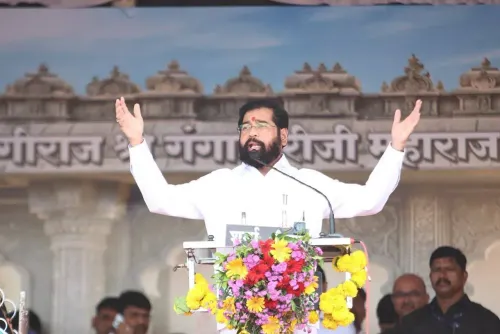
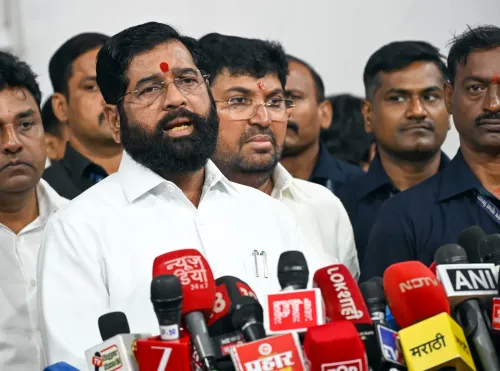
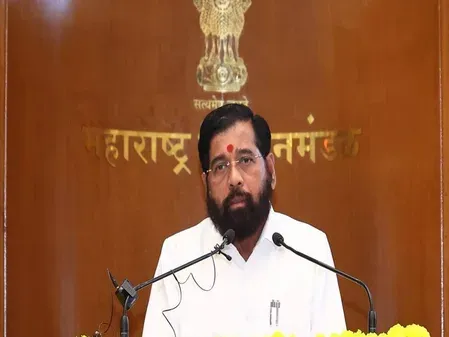
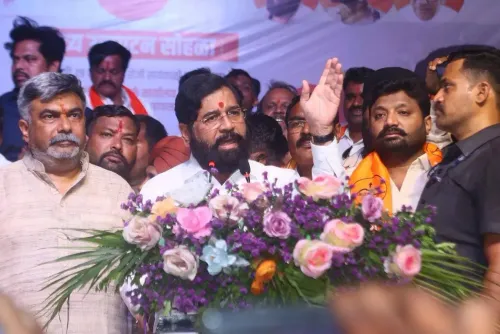
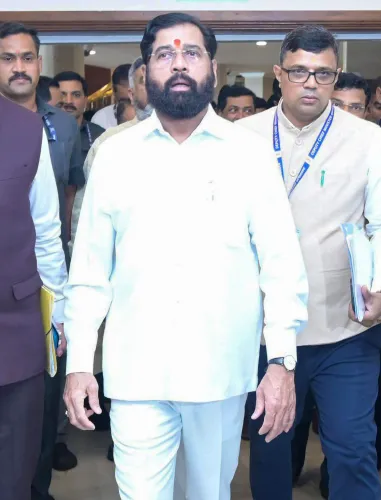
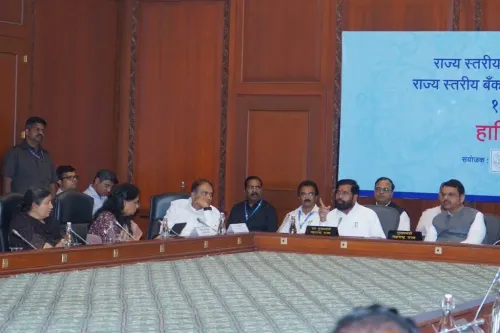
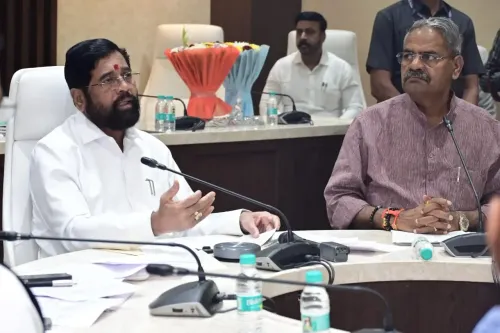
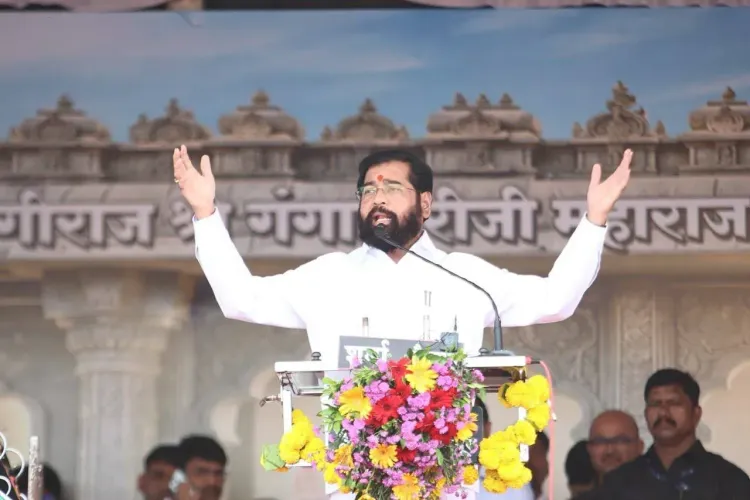
Maharashtra Deputy Chief Minister Eknath Shinde on Wednesday, 26 August announced that the state government has set an ambitious target to construct 30 lakh affordable homes across the Mumbai Metropolitan Region (MMR) over the next two decades, with a firm deadline of 2047. The announcement was made at a housing and infrastructure conclave, where Shinde outlined a sweeping urban transformation agenda for one of India's most housing-stressed regions.
How the 30 Lakh Homes Will Be Delivered
Of the total target, 10 lakh homes are earmarked for Mumbai proper — 6 lakh through Slum Rehabilitation Authority (SRA) projects and 4 lakh via Maharashtra Housing and Area Development Authority (MHADA) and allied schemes. The remaining 20 lakh homes will be spread across Thane, Mira-Bhayander, Kalyan-Dombivli, Navi Mumbai, Ulhasnagar, and Bhiwandi.
"Our goal is to complete the construction of all 30 lakh homes by 2047 without fail," Shinde stated at the conclave.
Policy Reforms Backing the Push
Shinde said the government's guiding philosophy is "acceleration over obstruction," underpinned by structural policy shifts. These include the Unified Development Control and Promotion Regulations (UDCPR), an amnesty scheme for Occupancy Certificates (OC), chawl redevelopment on textile mill lands, and new regulatory frameworks for pagadi buildings. Cluster redevelopment projects will integrate 23 civic amenities, including digital libraries, community halls, primary health centres, and women's empowerment centres.
Third Mumbai: A Futuristic Urban Hub
A centrepiece of the vision is the Third Mumbai Project, being developed around the Navi Mumbai International Airport, Atal Setu, Jawaharlal Nehru Port Authority, and the Samruddhi Mahamarg. Envisioned as a futuristic city over the next 50 years, it will host specialised zones including an Aerocity, Medicity, Sports City, EduCity, and IT-Fintech hubs.
Connectivity and Infrastructure Commitments
On the infrastructure front, Shinde reaffirmed the state's commitment to the Thane Internal Ring Metro, executed through Maha Metro, designed to ease traffic congestion, shorten commute times, and reduce pressure on Thane railway station. Dismissing critics of large-scale projects, he pointed to the Samruddhi Expressway and the Coastal Road as examples of ventures that succeeded despite early scepticism, crediting proactive stakeholder dialogue.
Maharashtra's Viksit Bharat Ambition
Shinde concluded by expressing confidence that Maharashtra will contribute over 25 per cent toward India's Viksit Bharat vision by 2047. This comes amid growing competition among Indian states to anchor large infrastructure and housing mandates as the Union government accelerates its urbanisation agenda. Whether execution can match the scale of the announcement will be the defining question in the years ahead.
Point of View
But Maharashtra's housing track record demands scrutiny. SRA projects in Mumbai have a well-documented history of delays, litigation, and incomplete rehabilitation — 6 lakh SRA units by 2047 is an order of magnitude beyond what the authority has delivered in any comparable period. The 'Third Mumbai' framing is politically compelling but infrastructurally contingent on the Navi Mumbai Airport becoming fully operational, a timeline that has already slipped multiple times. What is missing from the announcement is a credible phased delivery schedule, independent monitoring mechanism, and clarity on land acquisition for the satellite city targets. Without those, this risks becoming another landmark speech that outlives its own ambitions.
NationPress
11 Oct 2026
Frequently Asked Questions
What is Maharashtra's 30 lakh affordable homes target?
Maharashtra Deputy Chief Minister Eknath Shinde announced a plan to build 30 lakh affordable homes across the Mumbai Metropolitan Region by 2047. Of these, 10 lakh will be built in Mumbai and 20 lakh across satellite cities including Thane, Navi Mumbai, and Kalyan-Dombivli.
How will the 10 lakh homes in Mumbai be built?
The 10 lakh homes within Mumbai proper will be delivered through two channels: 6 lakh units via Slum Rehabilitation Authority (SRA) projects and 4 lakh units through Maharashtra Housing and Area Development Authority (MHADA) and allied schemes.
What is the Third Mumbai Project?
The Third Mumbai Project is a planned futuristic urban hub being developed around the Navi Mumbai International Airport, Atal Setu, Jawaharlal Nehru Port Authority, and the Samruddhi Mahamarg. It is envisioned over 50 years and will include an Aerocity, Medicity, Sports City, EduCity, and IT-Fintech hubs.
What policy reforms are supporting the housing push?
Key reforms include the Unified Development Control and Promotion Regulations (UDCPR), an amnesty scheme for Occupancy Certificates, chawl redevelopment on textile mill lands, and new frameworks for pagadi buildings. Cluster redevelopment projects will also integrate 23 civic amenities.
When is the deadline for all 30 lakh homes to be completed?
Deputy Chief Minister Eknath Shinde has set 2047 as the firm deadline for completing all 30 lakh homes across the Mumbai Metropolitan Region, aligning the target with India's Viksit Bharat centenary vision.