Shivraj Singh Chouhan Hails Namo Drone Didi Scheme
Synopsis
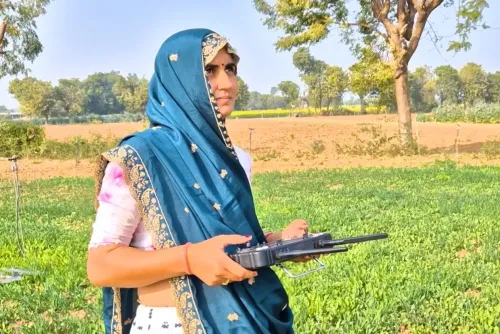
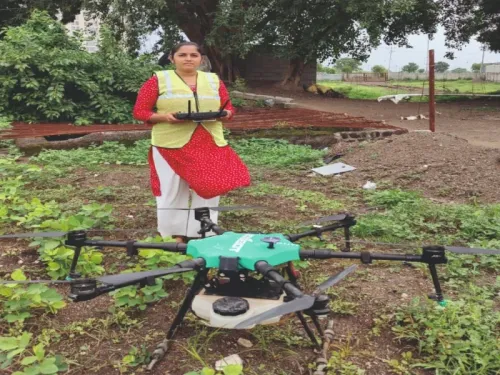
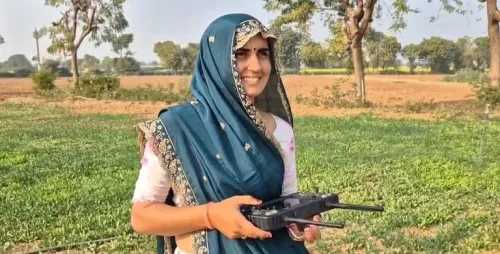
Union Agriculture Minister Shivraj Singh Chouhan on 14 June 2026 celebrated the Namo Drone Didi scheme, which aims to train 15,000 rural women from self-help groups as certified drone pilots for precision farming tasks such as fertiliser and pesticide application.
Key Takeaways
Union Agriculture Minister Shivraj Singh Chouhan publicly endorsed the Namo Drone Didi scheme on 14 June 2026 via a post on X.
The Namo Drone Didi scheme, launched in 2023 , targets training 15,000 women drone pilots from rural self-help groups.
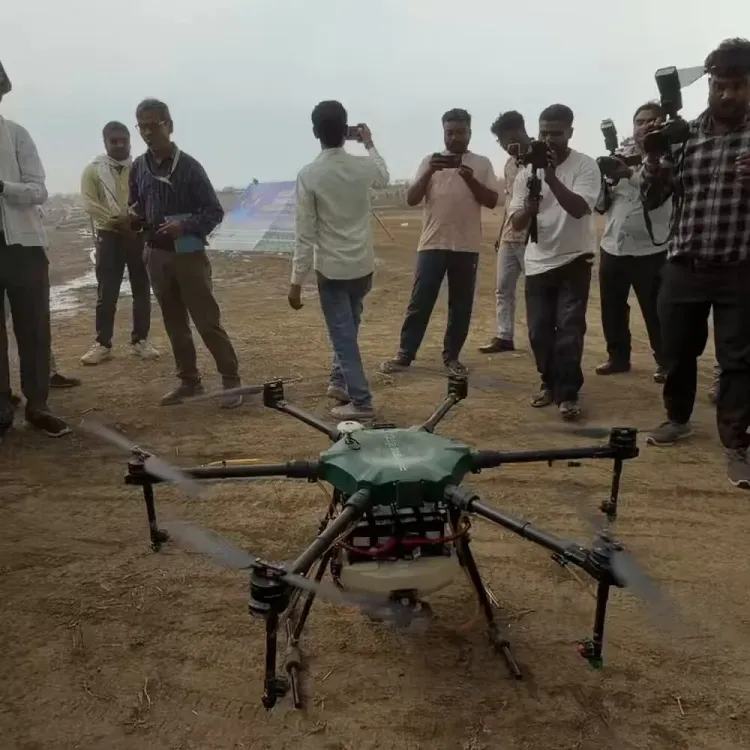
Trained pilots are deployed for precision agriculture tasks including fertiliser and pesticide spraying and crop monitoring .
The scheme combines two policy streams: agricultural mechanisation subsidies and DAY-NRLM women's skilling .
Deployment progress across states and supplementary drone procurement budgets remain key metrics ahead of the kharif season .
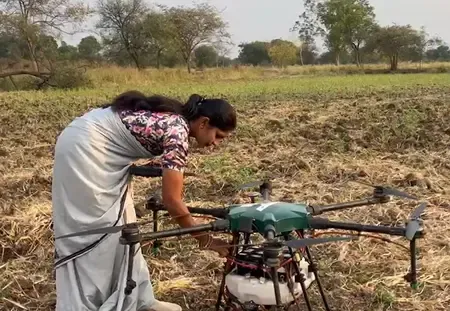
Union Agriculture Minister Shivraj Singh Chouhan on Sunday, 14 June 2026 expressed enthusiastic support for the Namo Drone Didi scheme, sharing a video on X and cheering the rural women drone pilots with the phrase 'Drone Didi ki jai ho' — loosely translated as 'Long live Drone Didi.'
Context
The post, brief but pointed, underscores the minister's continued public championing of a scheme that sits at the intersection of two priorities he has consistently emphasised: agricultural modernisation and the economic empowerment of rural women. The exclamatory salute — 'Drone Didi ki jai ho' — mirrors the celebratory idiom Chouhan has used throughout his political career to signal grassroots enthusiasm for a government programme.
The Namo Drone Didi scheme was launched by the Government of India in 2023 with a target of training 15,000 women drone pilots drawn from self-help groups (SHGs) to carry out precision agriculture tasks such as spraying fertilisers and pesticides and monitoring crop health.
Policy Backdrop
The scheme is administered through the Ministry of Agriculture and Farmers Welfare, the ministry Chouhan currently heads. It draws on two parallel policy streams: the push for drone adoption in agriculture — backed by revised drone ownership guidelines and subsidies under the Sub-Mission on Agricultural Mechanisation — and the skilling of rural women through the Deendayal Antyodaya Yojana – National Rural Livelihoods Mission (DAY-NRLM).
The government has positioned drone-assisted farming as a tool to reduce the cost of cultivation, improve input efficiency, and bring precision farming within reach of small and marginal farmers. Integrating women SHG members as the delivery agents — rather than private contractors — adds a rural-livelihood dimension that distinguishes this initiative from earlier mechanisation drives.
Stakeholders and Impact
Rural women trained under the scheme gain a certified, income-generating skill; small and marginal farmers gain access to drone services at subsidised or competitive rates without having to own equipment. The dual benefit model has been cited by the ministry as a template for technology-led rural transformation.
State governments are responsible for identifying beneficiaries through existing SHG networks, coordinating training infrastructure, and facilitating drone procurement. The pace of deployment has varied across states, and progress reports on pilot numbers and operational deployments remain a key metric to watch in the coming agricultural season.
What's Next
With the kharif sowing season under way across major agrarian states, attention will turn to whether trained drone pilots have been deployed at scale for input application. Any supplementary budget allocations for drone procurement — and state-level outcome data on the 15,000-pilot target — will be closely tracked by farm-sector observers. Chouhan's post signals that the scheme retains high political salience at the Union level heading into the season.
Point of View
The minister keeps pressure on state machinery to accelerate pilot deployments. The post also fits a broader BJP communications pattern of using relatable, vernacular branding — 'Drone Didi' echoing 'Lakhpati Didi' — to project women's empowerment as a tangible, technology-driven outcome rather than a welfare transfer. How quickly the 15,000-pilot target is met will determine whether this political salience translates into measurable agrarian impact.
NationPress
15 Sept 2026
Frequently Asked Questions
What is the Namo Drone Didi scheme?
The Namo Drone Didi scheme, launched by the Government of India in 2023, trains rural women from self-help groups as certified drone pilots to carry out precision agriculture tasks such as spraying fertilisers and pesticides and monitoring crops. The scheme targets training 15,000 such women pilots.
Who launched the Namo Drone Didi scheme?
The scheme was launched by the Government of India in 2023 and is administered by the Ministry of Agriculture and Farmers Welfare, currently headed by Union Minister Shivraj Singh Chouhan.
What did Shivraj Singh Chouhan say about Drone Didi?
On 14 June 2026, Shivraj Singh Chouhan posted on X with the phrase 'Drone Didi ki jai ho,' meaning 'Long live Drone Didi,' along with a video, expressing strong support for the Namo Drone Didi scheme and the rural women trained under it.
Who benefits from the Namo Drone Didi scheme?
Two groups benefit: rural women from self-help groups who gain a certified, income-generating skill as drone pilots, and small and marginal farmers who get access to affordable drone-based input application services without needing to own the equipment.
What is the target of Namo Drone Didi?
The scheme aims to train 15,000 women drone pilots from rural self-help groups across India, with state governments responsible for identifying beneficiaries and coordinating training and drone procurement.