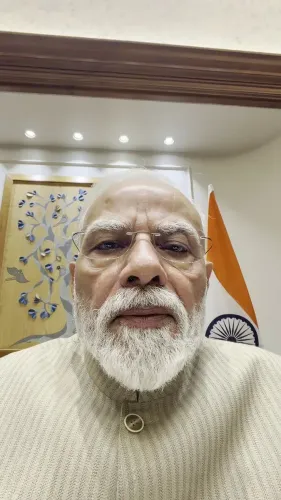
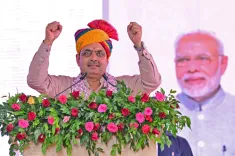
Shivraj hails Parliament's exam reform bill, quotes PM Modi
Synopsis
Parliament has passed a bill aimed at making India's examination system stronger, more transparent, and more credible, PM Modi said. Union Agriculture Minister Shivraj Singh Chouhan amplified the statement, signalling broad Cabinet backing for the legislation that targets malpractice and opacity in high-stakes public tests.
Key Takeaways
Parliament passed a bill on or before 30 July 2026 to reform India's examination system.
PM Narendra Modi described the law as making exams 'stronger, more transparent, and more credible.' Union Minister Shivraj Singh Chouhan publicly amplified Modi's statement, signalling Cabinet-level endorsement.
The legislation targets longstanding concerns over malpractice and paper leaks in high-stakes national exams.
Notification of rules under the bill and regulatory changes to bodies like the NTA are the immediate next steps to watch.
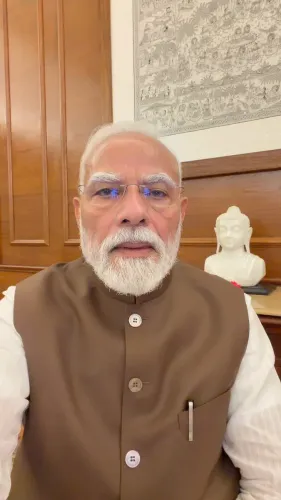
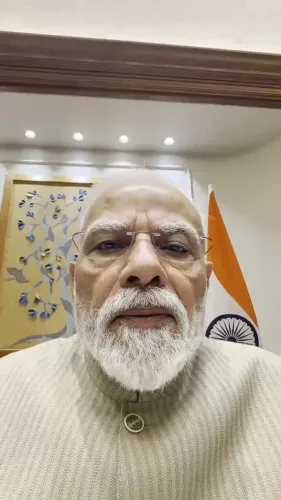
A new law to strengthen India's examination system cleared Parliament, and Union Agriculture Minister Shivraj Singh Chouhan amplified the moment on Thursday, 30 July 2026 — sharing Prime Minister Narendra Modi's own words on what the legislation promises to deliver.
Chouhan quoted Prime Minister Narendra Modi directly: 'संसद ने ऐसा विधेयक पारित किया है, जो हमारी परीक्षा प्रणाली को और अधिक सुदृढ़, पारदर्शी तथा विश्वसनीय बनाएगा.' ['Parliament has passed a bill that will make our examination system stronger, more transparent, and more credible.']
Why the exam system needed fixing
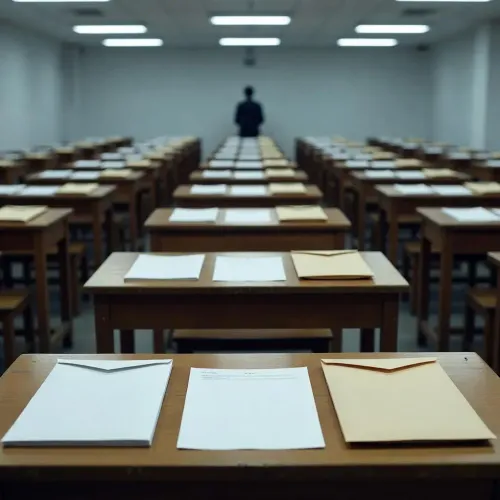
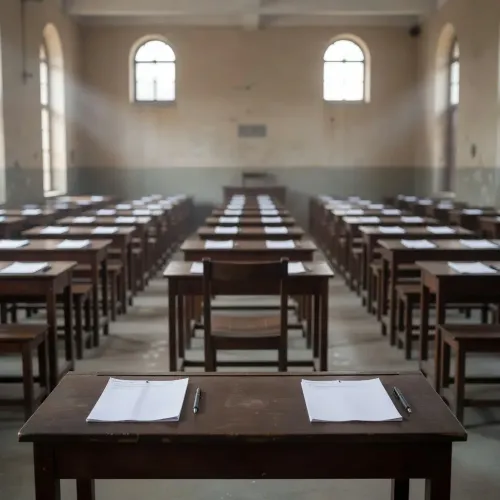
India's public examination infrastructure — from competitive entrance tests to government recruitment drives — has faced recurring questions over malpractice, paper leaks, and procedural opacity. Those concerns have made transparent, credible testing a live political and policy issue, particularly for the millions of students and job aspirants who sit high-stakes exams every year.
The government has previously moved to tighten oversight of bodies such as the National Testing Agency (NTA), which administers major national-level tests. A legislative intervention — rather than an administrative one — signals an intent to embed accountability in statute, not just policy circulars.
Parliament's role and what comes next
The bill's passage through both Houses of Parliament of India gives it the weight of law. The immediate next step is the notification of rules under the legislation — the fine print that will determine how its transparency and anti-malpractice provisions actually operate on the ground. Regulatory changes to bodies overseeing national examinations are expected to follow.
For crores of students preparing for everything from engineering entrances to civil services, the law's real test will be in its implementation — whether it delivers the credibility the Prime Minister has promised.
Point of View
Not just an education-ministry matter. The exam-integrity issue carries unusual cross-demographic weight: it touches students, parents, and job aspirants simultaneously, making it a rare policy win that can be communicated simply. The legislative route, rather than an administrative fix, also insulates the reform from being reversed by a future executive order. Watch whether implementation rules arrive quickly — the gap between a bill's passage and its operational rules is where reform momentum typically stalls.
NationPress
31 Jul 2026
Frequently Asked Questions
What bill did Parliament pass to reform India's examination system?
Parliament passed a bill aimed at making India's public examination system stronger, more transparent, and more credible, as stated by Prime Minister Narendra Modi. Specific provisions and the bill's name have not been detailed in publicly available information at this time.
Why is India reforming its examination system?
India's high-stakes public exams have faced repeated controversies over paper leaks, malpractice, and procedural opacity, prompting the government to pursue legislative reform to embed accountability in statute.
How does this bill affect the National Testing Agency (NTA)?
The NTA, which administers major national entrance tests, is expected to face regulatory changes following the bill's passage, though specific rules will be notified separately by the government.
Why did Shivraj Singh Chouhan post about an education bill?
As a senior BJP leader and Union Cabinet minister, Chouhan amplified PM Modi's statement to signal broad government backing for the legislation, a common practice for major legislative milestones.
What happens after Parliament passes an exam reform bill?
The government must notify rules under the new law, which detail how its provisions will be implemented. Regulatory bodies overseeing national examinations are then expected to align their procedures accordingly.