Shivraj Singh Chouhan Holds Jan Kalyan Shivir in Ganj Basoda
Synopsis
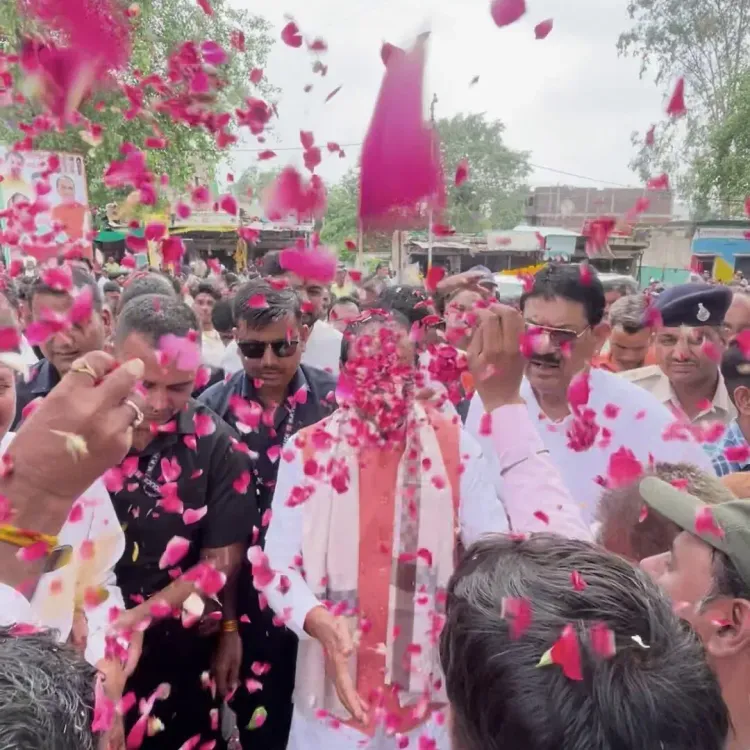
Union Agriculture Minister Shivraj Singh Chouhan attended a Jan Kalyan Shivir in Ganj Basoda, Vidisha, on 10 July 2026, personally hearing concerns of farmers, women, elderly citizens, and youth, and directing immediate remedial steps — invoking the BJP's Antyodaya principle of last-mile welfare delivery.
Key Takeaways
Shivraj Singh Chouhan attended a Jan Kalyan Shivir in Ganj Basoda, Vidisha district, Madhya Pradesh on 10 July 2026 .
The minister personally heard grievances from farmers, women, elderly citizens, and youth and directed immediate resolution steps.
Chouhan invoked the Antyodaya principle, stating that schemes are meaningful only when benefits reach 'the last person in line'.
The camp format is rooted in Chouhan's Jan Sunwai outreach tradition from his four terms as Chief Minister of Madhya Pradesh (2005–2023) .
Key central schemes in focus include PM-KISAN , PM Fasal Bima Yojana , and Pradhan Mantri Awas Yojana – Gramin , all under Chouhan's Union ministry portfolio.
Further welfare camps are expected across states ahead of the monsoon session of Parliament .
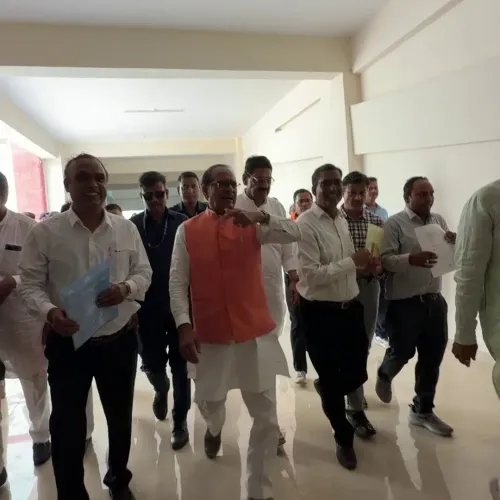
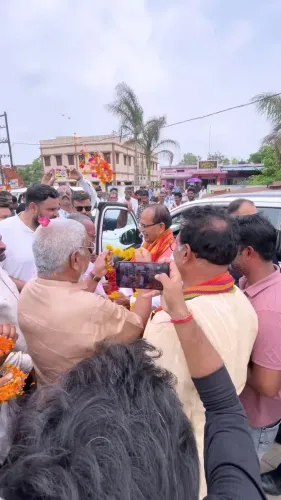
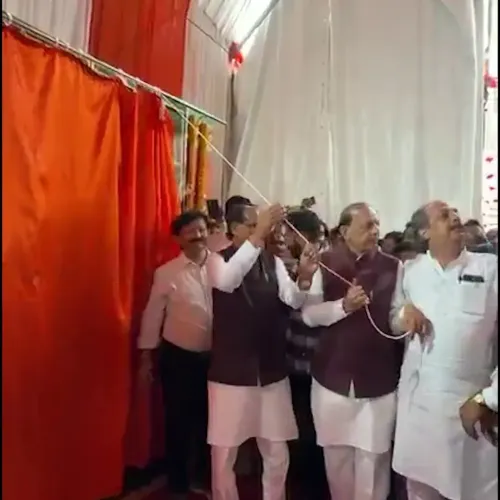
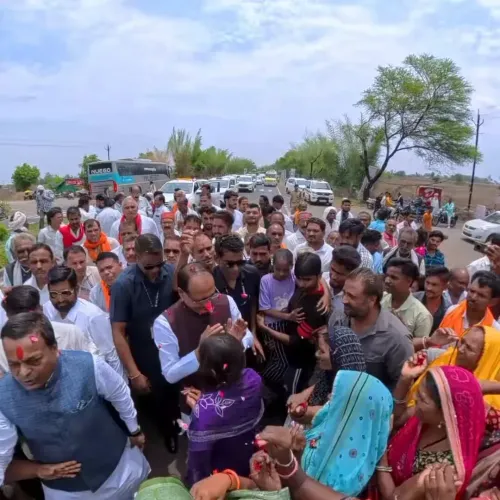
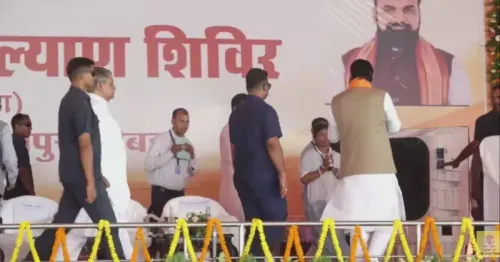
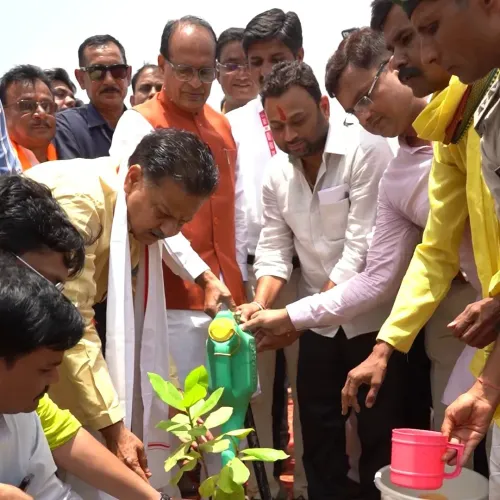
Union Agriculture Minister Shivraj Singh Chouhan attended a Jan Kalyan Shivir (public welfare camp) in Ganj Basoda, Vidisha district, Madhya Pradesh, on Friday, 10 July 2026, meeting citizens from across the region to hear grievances and direct immediate remedial action.
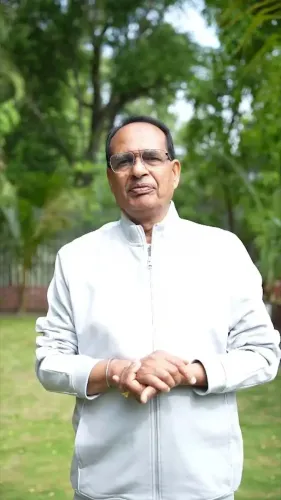
Posting on X after the event, Chouhan wrote: 'Ganj Basoda ki dharti par aaj Jan Kalyan Shivir mein apne parivaarjanon se milkar mann aatmiyata se bhar gaya' — 'Meeting my family members at the Jan Kalyan Shivir on the soil of Ganj Basoda today filled my heart with a deep sense of belonging.' He added that government schemes are meaningful only when their benefits reach 'the person standing in the last row', and that he personally listened to the concerns of women, the elderly, farmers, and youth, and took immediate steps toward resolution.
Context
Ganj Basoda is a town in Vidisha district, one of the agrarian heartland constituencies of Madhya Pradesh. The region has a substantial population of smallholder farmers and rural households who depend on central and state welfare programmes for income support, crop insurance, and housing. Chouhan's visit signals a continued emphasis on field-level engagement even in his capacity as a Union minister.
The Jan Kalyan Shivir format — a structured public camp for grievance redressal and last-mile scheme delivery — has been a recurring feature of governance outreach in Madhya Pradesh. Chouhan himself institutionalised similar 'Jan Sunwai' (public hearing) programmes across his four terms as Chief Minister of the state between 2005 and 2023.
Policy Backdrop
The philosophical anchor of the camp is the Antyodaya doctrine — the BJP's stated commitment to prioritising the welfare of the last and most marginalised person in society — which Chouhan explicitly invoked in his post. This principle has underpinned flagship central schemes such as PM-KISAN, the direct income-support programme for farmers launched in 2019, and PM Fasal Bima Yojana, the crop insurance scheme, both of which fall under Chouhan's current ministerial portfolio.
Welfare camps of this nature serve a dual administrative purpose: they allow ministers to demonstrate responsive governance while also surfacing implementation gaps — delayed disbursements, enrolment errors, or documentation bottlenecks — that are difficult to detect from Delhi. Chouhan's rural development mandate also encompasses schemes such as rural housing under Pradhan Mantri Awas Yojana – Gramin, making the breadth of queries at such camps wide-ranging.
Stakeholders and Impact
The primary beneficiaries addressed at the Ganj Basoda camp were small and marginal farmers, rural women, senior citizens, and youth — groups that Chouhan specifically named in his post. For small farmers in Vidisha district, access to timely PM-KISAN instalments and crop insurance claims can be the difference between financial stability and debt distress, particularly in the weeks preceding the kharif sowing season.
Rural women in attendance would likely have raised issues related to self-help group linkages, Ujjwala gas connections, and Jan Dhan account access, while elderly participants typically seek pension disbursement corrections. The camp format, by bringing a Union minister directly to a district town, compresses the bureaucratic distance between a beneficiary's complaint and a decision-maker who can direct action.
What's Next
Further Jan Kalyan Shivirs are expected across Madhya Pradesh and other states as part of the BJP's broader outreach calendar ahead of the monsoon session of Parliament. The monsoon session is also expected to feature discussions on agriculture budget allocations and scheme saturation metrics, where ground-level feedback gathered at such camps may inform the government's legislative and administrative positions.
Chouhan's continued on-ground presence in Madhya Pradesh — his political home base — underscores the BJP's strategy of keeping senior Union ministers visibly active in their core constituencies, reinforcing both governance credibility and electoral connect ahead of future state and national cycles.
Point of View
Replicating this model at the national level allows him to bridge the often-cited gap between Delhi-designed schemes and district-level delivery realities. The explicit invocation of Antyodaya — reaching the 'last person in line' — is also a calibrated messaging choice, aligning his field activity with the BJP's foundational welfare doctrine ahead of what is likely to be an active parliamentary session on agriculture. Whether such camps translate into measurable improvements in scheme saturation metrics will be the harder test of their governance value.
NationPress
9 Oct 2026
Frequently Asked Questions
What is a Jan Kalyan Shivir?
A Jan Kalyan Shivir is a public welfare camp organised by the government to provide grievance redressal and facilitate last-mile delivery of central and state welfare schemes directly to citizens at the local level.
Why did Shivraj Singh Chouhan visit Ganj Basoda?
Shivraj Singh Chouhan visited Ganj Basoda in Vidisha district, Madhya Pradesh, on 10 July 2026 to attend a Jan Kalyan Shivir, where he personally heard the concerns of farmers, women, elderly citizens, and youth and directed immediate remedial action.
What schemes were addressed at the Ganj Basoda welfare camp?
While specific resolutions were not publicly detailed, camps of this type typically address issues related to PM-KISAN income support, PM Fasal Bima Yojana crop insurance, Pradhan Mantri Awas Yojana – Gramin rural housing, and pension disbursements — all within Chouhan's Union ministry mandate.
What is the Antyodaya principle that Chouhan referred to?
Antyodaya is a welfare philosophy, central to BJP governance, that prioritises the needs of the poorest and most marginalised citizens — literally meaning 'rise of the last person'. Chouhan invoked it to stress that government schemes are only successful when benefits reach those at the very end of the social and economic ladder.
Is Shivraj Singh Chouhan still active in Madhya Pradesh politics?
Yes. While Chouhan now serves as Union Agriculture Minister at the national level, he remains deeply connected to Madhya Pradesh, his political home base, and continues to conduct public outreach programmes in the state, as seen with the Ganj Basoda Jan Kalyan Shivir in July 2026.