Shivraj Plants Sapling at Bhopal Smart City Park
Synopsis
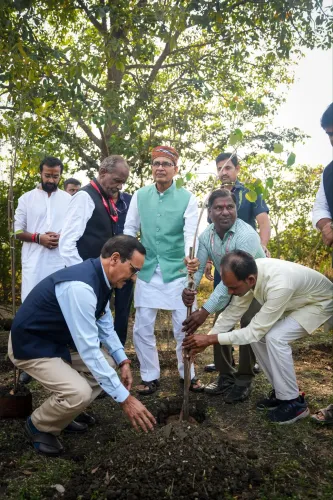
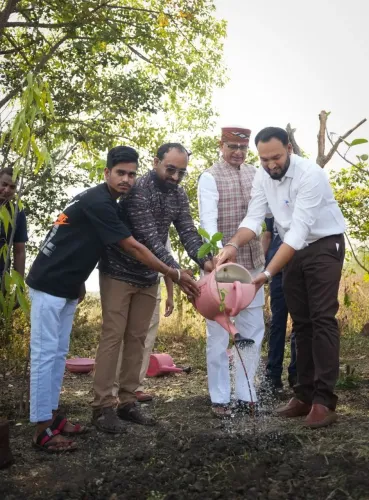
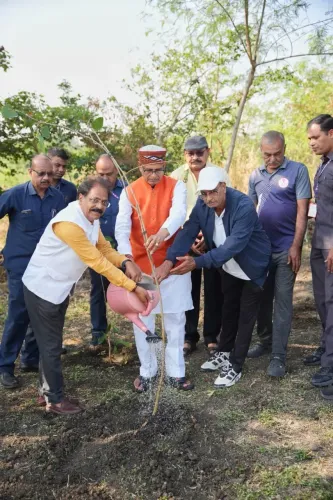
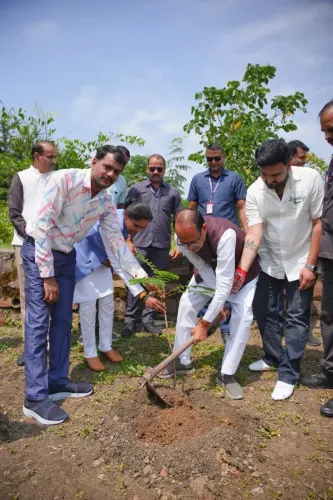
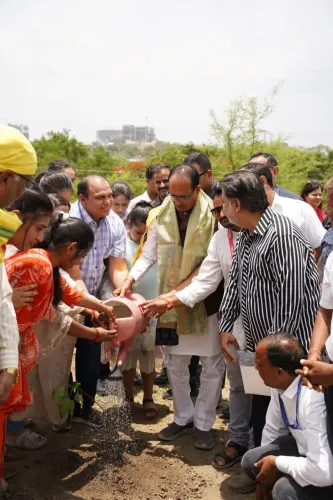
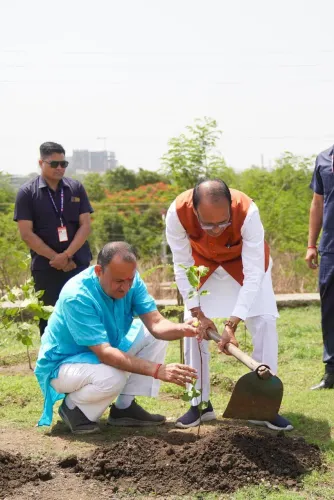
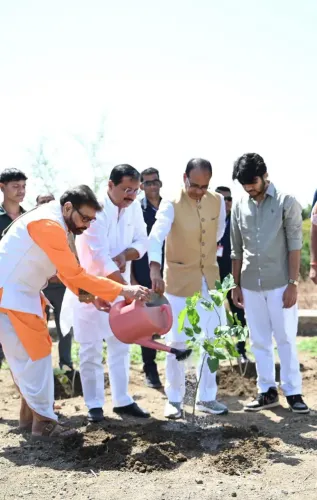
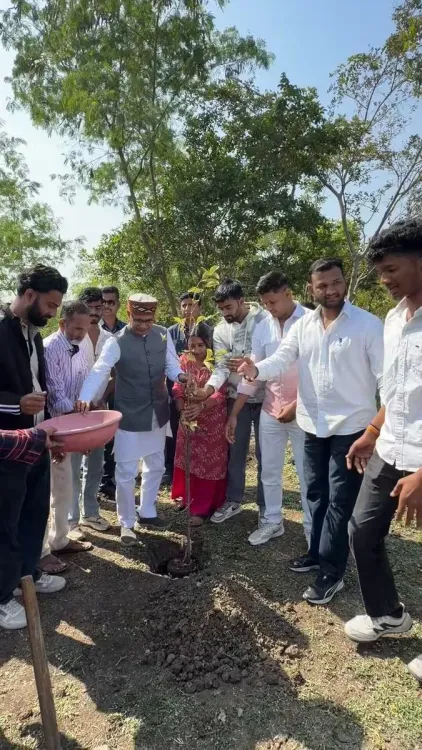
Union Agriculture Minister Shivraj Singh Chouhan planted a sapling at Smart City Park in Bhopal on 21 November 2026 as part of his daily #OnePlantADay pledge, joined by family and music teacher Aayushi Thakur, urging all Indians to participate.
Key Takeaways
Shivraj Singh Chouhan planted a sapling at Smart City Park, Bhopal on 21 November 2026 .
The act is part of his ongoing personal #OnePlantADay commitment — a daily plantation pledge.
Music teacher Aayushi Thakur joined the event, planting a sapling and singing a devotional song.
The minister framed nature as 'mother' — invoking cultural reverence to drive citizen participation.
Citizens can register and join the campaign through the dedicated portal at shivrajsinghchouhan.co.in .
The initiative complements India's Green India Mission , which targets expanded forest and tree cover under the National Action Plan on Climate Change.
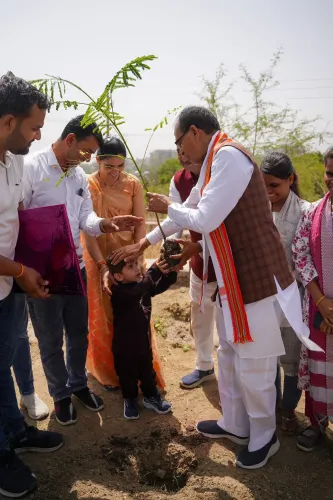
Dirt on his hands and a bhajan in the air — Union Agriculture Minister Shivraj Singh Chouhan kept his daily plantation pledge alive on Saturday, 21 November 2026, planting a sapling alongside family members at Smart City Park, Bhopal, and asking every Indian to do the same.
Posting on X, the minister described the occasion in warm, familial terms: 'माँ समान प्रकृति की सेवा' — 'service to nature, as one would serve a mother'. He was joined by his nephews, nieces, and siblings, as well as music teacher Aayushi Thakur, who planted her own sapling and then sang a devotional song. Chouhan extended his blessings to her and invited citizens to join the movement through his dedicated website under the hashtag #OnePlantADay.
Chouhan's daily green vow and what it asks of citizens
The minister's post is not a one-off gesture but part of a continuing personal commitment to plant at least one tree every single day. The campaign is built around voluntary citizen participation rather than any new policy mandate — anyone can register through the linked portal to log their own plantation and join the count. It is a model that leans on social proof: a senior minister doing it publicly, every day, to normalise the act.
Chouhan's message was direct: 'Tree plantation is essential for keeping our earth green, clean, and prosperous. You must also plant trees.' The appeal is deliberately personal in register — not bureaucratic, not departmental, but neighbourly.
Bhopal's urban greening and India's larger afforestation push
Bhopal, the capital of Madhya Pradesh, has been designated a Smart City, and its parks have increasingly served as sites for high-visibility civic events. The choice of Smart City Park as the venue ties the personal pledge to the wider urban-greening aspiration embedded in India's Green India Mission, launched under the National Action Plan on Climate Change in 2014, which targets expanded forest and tree cover across the country. Indian political leaders have long used personal plantation drives to amplify these efforts, turning individual acts into mass campaigns through social media reach.
The devotional thread running through the event — family, blessings, a bhajan — speaks to a cultural idiom that frames environmental stewardship not as a regulatory obligation but as a form of reverence. That framing has consistently helped such campaigns travel wider and faster among general audiences than policy circulars ever could.
Point of View
Making green messaging feel indigenous rather than imported. As a Union minister with deep roots in Madhya Pradesh, Chouhan's choice of Bhopal as the stage reinforces his continued connection to the state electorate. The campaign's low entry barrier — plant one tree, log it online — maximises the participation funnel and generates ongoing, shareable content.
NationPress
21 Nov 2026
Frequently Asked Questions
What is Shivraj Singh Chouhan's #OnePlantADay campaign?
#OnePlantADay is a personal daily pledge by Union Agriculture Minister Shivraj Singh Chouhan to plant at least one sapling every day and encourage citizens across India to do the same through a dedicated participation portal.
Where did Shivraj Singh Chouhan plant a tree on 21 November 2026?
He planted a sapling at Smart City Park in Bhopal, Madhya Pradesh, accompanied by family members and music teacher Aayushi Thakur.
How can I join Shivraj Singh Chouhan's tree plantation campaign?
Citizens can join by clicking the registration link on shivrajsinghchouhan.co.in to log their own plantation as part of the #OnePlantADay movement.
What is India's Green India Mission?
India's Green India Mission, launched in 2014 under the National Action Plan on Climate Change, aims to increase forest and tree cover across the country while improving ecosystem services.
Who is Aayushi Thakur and what did she do at the Bhopal plantation event?
Aayushi Thakur is a music teacher who joined the event at Smart City Park, Bhopal, where she planted a sapling and sang a devotional song, earning a public blessing from Minister Chouhan.