Shivraj Singh Chouhan Plants Trees in Memory of Late Mother Kashi Bai
Synopsis
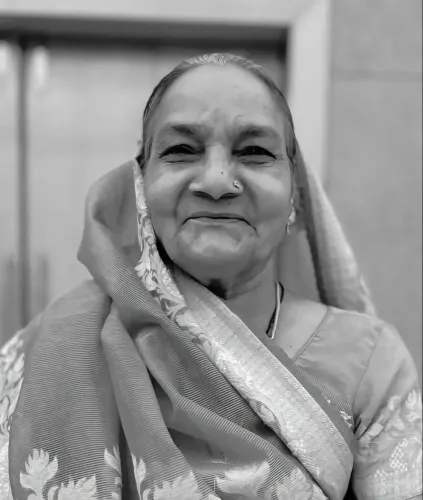
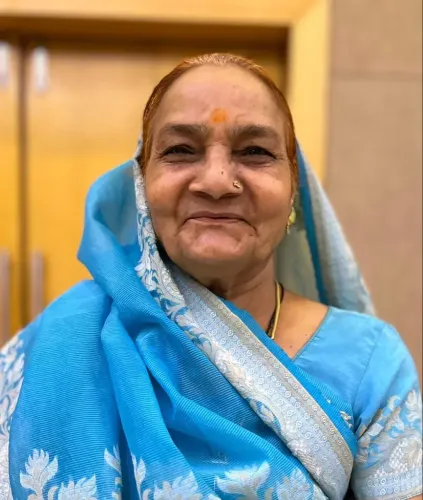
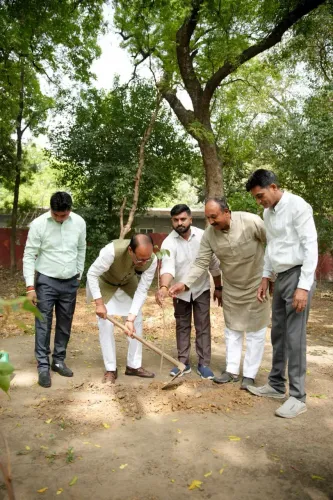
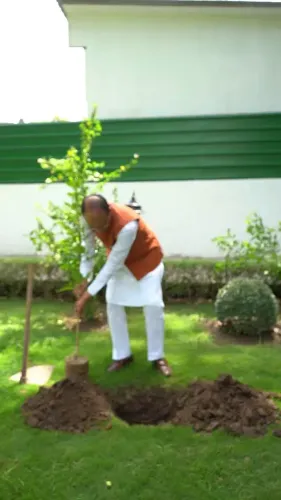
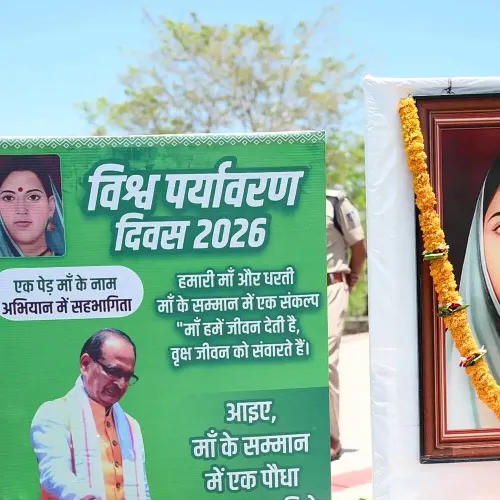
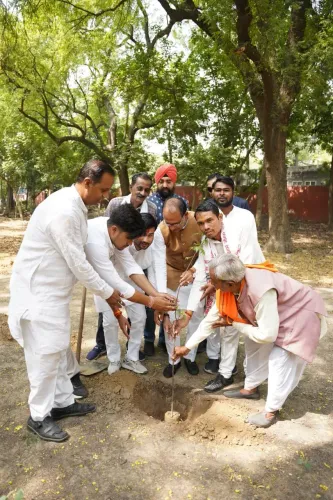
Union Agriculture Minister Shivraj Singh Chouhan visited his ancestral village Jait to plant saplings in memory of his late mother Smt. Kashi Bai, expressing hope the trees would shelter birds and cleanse the environment — letting nature keep her memory alive.
Key Takeaways
Shivraj Singh Chouhan planted saplings at his ancestral village Jait in memory of his late mother Smt.
He expressed the wish that the trees grow to provide shelter to birds, insects, and animals, and purify the environment.
The post closed with the invocation 'Narmade Har!' , reflecting Chouhan's deep ties to Madhya Pradesh .
The gesture follows a longstanding rural Indian tradition of planting trees as living memorials for the departed.
No government scheme or policy announcement was attached to the personal tribute.
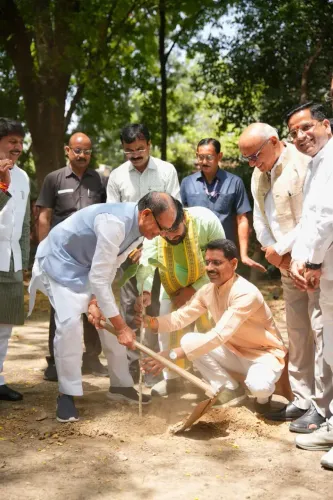
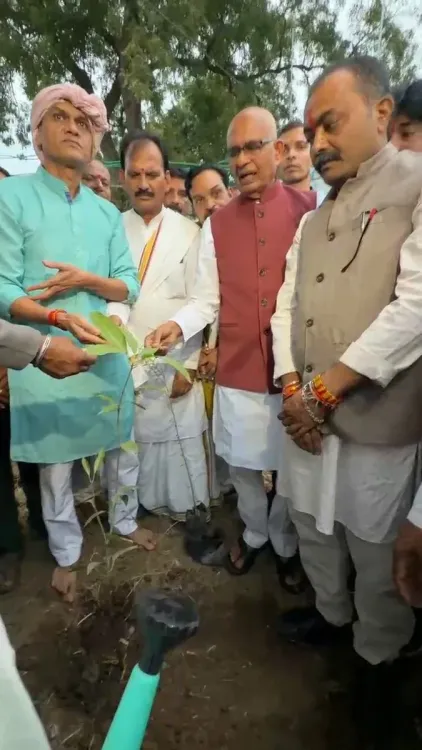
A son's grief found roots in the earth on Friday. Union Agriculture Minister Shivraj Singh Chouhan visited his ancestral village Jait and planted saplings in memory of his late mother, Smt. Kashi Bai, in a deeply personal tribute that blended filial devotion with an enduring ecological hope.
Posting on X with visible emotion, Chouhan wrote: 'Aaj apne grih gram Jait mein bhaavuk man se' — 'Today, with a moved heart, in my home village of Jait, I planted saplings in the memory of my revered mother, the late Smt. Kashi Bai.' He reflected that a mother's love and warmth remains a cool shade over one's life forever, and prayed that her blessings continue to watch over the family.
Shade for birds, clean air for the earth
The minister's words went beyond personal mourning. He expressed the wish that as the saplings grow into trees, they offer shelter to birds, insects, and other creatures, and that the oxygen they release keeps the environment clean and beautiful. 'Just as these trees grow, so too will mother's memories remain ever green,' he wrote — signing off with the invocation 'Narmade Har!', a salutation to the River Narmada that runs through the heartland of Madhya Pradesh.
Village Jait, a homecoming in grief
For Chouhan — who served four consecutive terms as Chief Minister of Madhya Pradesh before taking charge at the Union cabinet — village Jait represents his roots. The act of returning home to plant trees in a parent's name is a longstanding ritual in rural central India, where planting a tree for the departed is considered both an act of remembrance and a living offering to the natural world. The 'Narmade Har' invocation underscores the deeply Madhya Pradesh identity that Chouhan has consistently worn, even after moving to Delhi's ministerial corridors.
No policy announcements or official government programmes are linked to this gesture. This was simply a son at his mother's memorial — but the image of a senior Union minister kneeling in soil at his village carries a resonance that political India reads instinctively: the powerful returning to the ordinary, the public figure choosing the personal.
Point of View
Grief-laden act on a public platform is a well-practised register in Indian political communication — it humanises a powerful figure without any policy exposure. For a minister whose image is rooted in Madhya Pradesh's rural heartland, the return to village Jait reinforces continuity with that base even from Delhi. The invocation of the Narmada also quietly signals regional identity at a moment when the BJP is navigating a complex electoral calendar in central India. The absence of any government scheme linkage is itself notable: this post asks for no political dividend, which in Indian politics is sometimes the most effective kind.
NationPress
30 Oct 2026
Frequently Asked Questions
Who is Kashi Bai, the mother of Shivraj Singh Chouhan?
Smt. Kashi Bai was the late mother of Union Agriculture Minister Shivraj Singh Chouhan. He commemorated her memory by planting saplings at their ancestral village Jait.
Where is Shivraj Singh Chouhan's home village Jait?
Village Jait is Shivraj Singh Chouhan's ancestral home village in Madhya Pradesh, the state he served as Chief Minister for four terms.
Why did Shivraj Singh Chouhan plant trees?
Chouhan planted trees as a personal memorial tribute to his late mother Smt. Kashi Bai, expressing a wish that the growing trees keep her memory alive and benefit birds, animals, and the environment.
What does 'Narmade Har' mean?
'Narmade Har' is a devotional salutation to the River Narmada, sacred in Madhya Pradesh. Chouhan used it at the close of his tribute post, reflecting his deep cultural connection to the region.
Is Shivraj Singh Chouhan's tree plantation linked to any government scheme?
No. The plantation was a personal, family tribute to his late mother and was not linked to any official government programme or ministerial scheme.