PM Modi hails Banaskantha women driving dairy empowerment
Synopsis
Prime Minister Narendra Modi spotlighted a video from Banaskantha, Gujarat, on 30 October 2026, highlighting how dairy cooperatives and animal husbandry are transforming rural women into financially independent economic agents — a story rooted in decades of cooperative infrastructure.
Key Takeaways
PM Modi shared a video on 30 October 2026 from Banaskantha, Gujarat , praising the role of agriculture, dairy, and animal husbandry in women's empowerment.
Banaskantha is home to Banas Dairy , one of India's largest district-level milk cooperatives, with many village societies run and staffed by women.
The cooperative model routes payments directly to women members, reinforcing financial independence at the household level.
Operation Flood (1970) established the cooperative dairy architecture that underpins this model; the National Rural Livelihoods Mission (2011) later deepened women's participation through self-help groups.
Animal husbandry is increasingly recognised as a low-capital, high-dignity livelihood route for rural women, with central schemes such as the revised National Programme for Dairy Development under watch for expanded women-led cooperative integration.
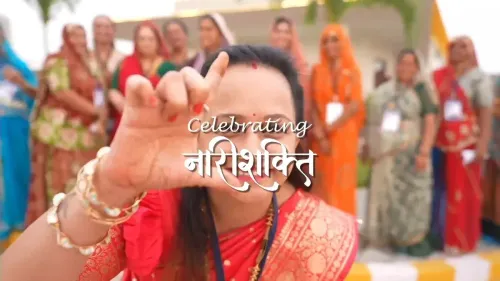
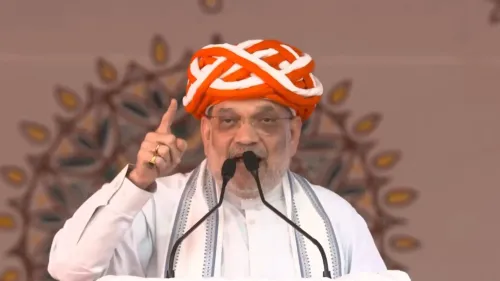
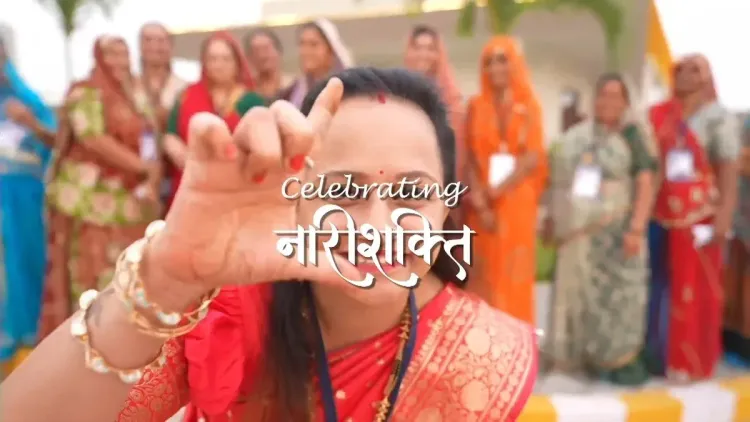
From Gujarat's milk-rich heartland comes a story that is equal parts economics and empowerment. Prime Minister Narendra Modi on Friday, 30 October 2026, shared a video from Banaskantha district in northern Gujarat, calling an interaction there a moment that 'will make you very happy' — spotlighting how agriculture, dairy, and animal husbandry have become unlikely engines of women's emancipation in rural India.
Posting in English, Modi wrote: 'It is amazing how agriculture, dairy and animal husbandry have furthered women empowerment.' The remark was paired with a video from Banaskantha — a district whose identity is inseparable from the white revolution.
Why Banaskantha is the right dateline for this story
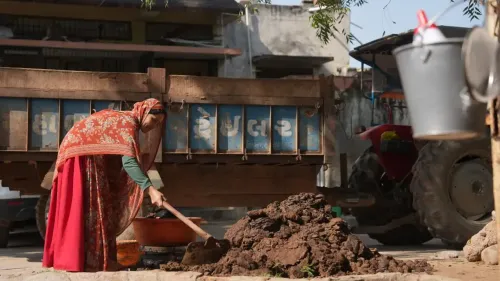
Banaskantha sits in the semi-arid north of Gujarat, yet it is home to one of India's most productive dairy belts. At the centre of that belt is Banas Dairy, a district-level cooperative that aggregates milk from thousands of village-level societies spread across the region. Critically, many of those village societies are run by women — members who receive direct payments into their own accounts, a structural detail that quietly rewires household financial power. The architecture traces back to Operation Flood (1970), the landmark programme that built India's cooperative dairy model and made the country the world's largest milk producer. Decades later, the National Rural Livelihoods Mission (2011) deepened women's entry into dairy and allied sectors by funnelling support through self-help groups, turning animal husbandry from a subsistence activity into a bankable livelihood.The cooperative model's quiet gender dividend
The genius of the cooperative structure — as Banaskantha illustrates — is that it routes income directly to the member, not the household patriarch. A woman who owns two buffaloes and is registered with her village dairy society receives a fortnightly electronic payment. That payment is hers. Over time, ownership of that income stream reshapes decision-making within families and communities alike. Successive central and Gujarat state governments have recognised this dynamic and have pushed for expanded women's participation in dairy societies, treating animal husbandry as a low-capital, high-dignity entry point into formal rural enterprise. The revised National Programme for Dairy Development is among the central initiatives being watched for how deeply it integrates women-led cooperative expansion.A grassroots signal from the Prime Minister's feed
Politically, Modi's choice to amplify a ground-level dairy interaction — rather than a scheme announcement or a headline infrastructure project — is a deliberate register. It frames rural women not as beneficiaries of top-down welfare but as active economic agents whose work sustains a multi-billion-rupee cooperative ecosystem. That framing has been a consistent thread in how the BJP pitches rural welfare in Gujarat, a state where cooperative dairy politics and electoral politics have long been intertwined. The story from Banaskantha is, at its core, a simple one: a woman, a cow, a cooperative, and a payment. But the sum of millions of such stories is a structural shift in who holds economic agency in rural India — and that is a number worth watching.Point of View
Not recipients. Gujarat's dairy cooperative belt has historically been a BJP stronghold, and celebrating its women-led dimension reinforces the party's 'empowerment not entitlement' narrative. More broadly, the post fits a longer arc in which successive governments have used cooperative dairy infrastructure — built over five decades — as a ready-made vehicle for financial inclusion, making Banaskantha a perennial dateline for welfare optics. The real policy question, however, is whether the next phase of dairy development schemes will go beyond optics to measurably expand women's decision-making roles within cooperative governance structures.
NationPress
30 Oct 2026
Frequently Asked Questions
Why is Banaskantha important for dairy and women's empowerment in India?
Banaskantha in northern Gujarat hosts Banas Dairy, one of India's largest district-level milk cooperatives. Many of its village-level dairy societies are run by women, who receive direct payments for milk supplied — making dairy a key source of financial independence for rural women in the region.
What is Banas Dairy and how does it help women?
Banas Dairy is a district cooperative that aggregates milk from thousands of village societies across Banaskantha. Women registered as members receive direct electronic payments, giving them independent income and strengthening their economic standing within their households.
What is Operation Flood and why is it relevant to Gujarat's dairy success?
Operation Flood, launched in 1970, built India's cooperative dairy model and made the country the world's largest milk producer. Gujarat's cooperative dairy network, including Banas Dairy, grew out of this framework, which has since provided the infrastructure for women's participation in dairy livelihoods.
How does the National Rural Livelihoods Mission support women in dairy and animal husbandry?
Launched in 2011, the National Rural Livelihoods Mission promoted women's self-help groups in agriculture and allied sectors including dairy and animal husbandry, helping rural women access credit, training, and market linkages to build sustainable incomes from livestock.
What did PM Modi say about Banaskantha on 30 October 2026?
PM Narendra Modi shared a video from Banaskantha on 30 October 2026, stating it was 'amazing how agriculture, dairy and animal husbandry have furthered women empowerment,' describing the interaction as one that 'will make you very happy.'