PM Modi hails Banaskantha bovine research centre
Synopsis
Prime Minister Narendra Modi praised the Bharat Bovine Breeding and Research Centre in Banaskantha, Gujarat, on 30 October 2026, calling it a model of purposeful innovation that builds on the Rashtriya Gokul Mission to boost cattle productivity and rural farmer incomes.
Key Takeaways
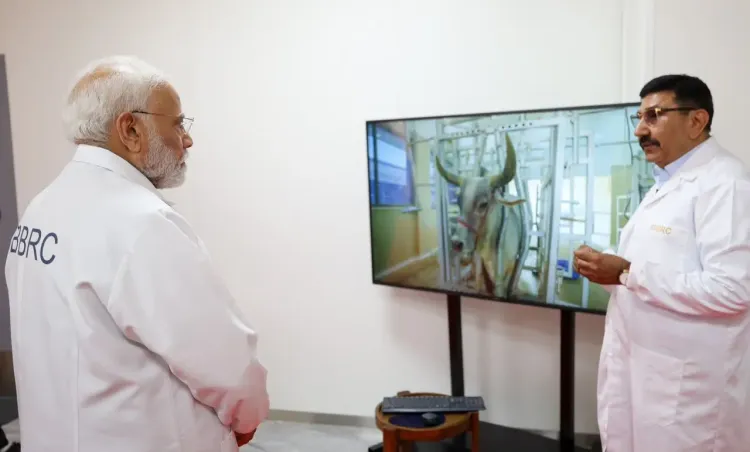
PM Narendra Modi visited and praised the Bharat Bovine Breeding and Research Centre in Banaskantha, Gujarat on 30 October 2026 .
Modi described the facility as showcasing 'the immense possibilities in animal husbandry' and 'innovation with a purpose.' Banaskantha is a major dairy and livestock corridor in northern Gujarat, making it a strategic location for bovine research.
The centre aligns with the Rashtriya Gokul Mission , launched in 2014 , which focuses on conserving indigenous cattle breeds and improving bovine productivity.
The facility is expected to raise milk yields and rural incomes for dairy farmers and livestock owners through scientific breed improvement.
Replication of the model in other states and integration with state livestock budgets will be a key indicator of national impact.
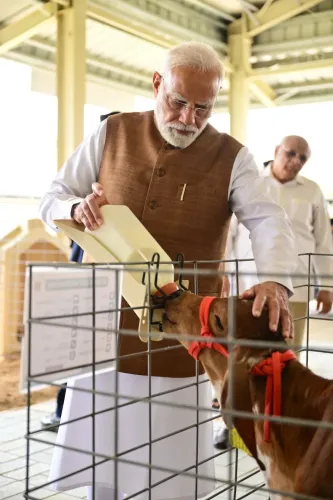
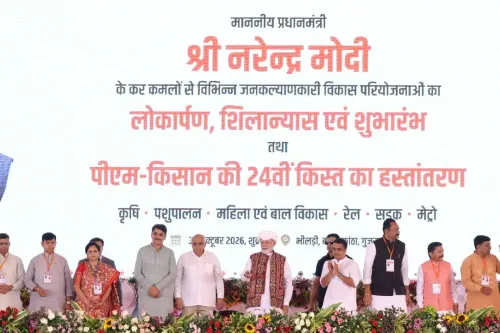
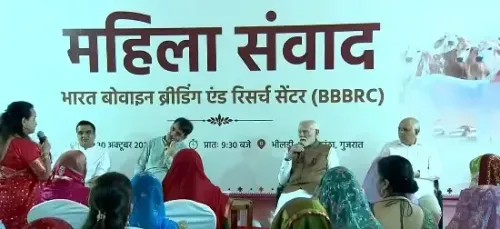
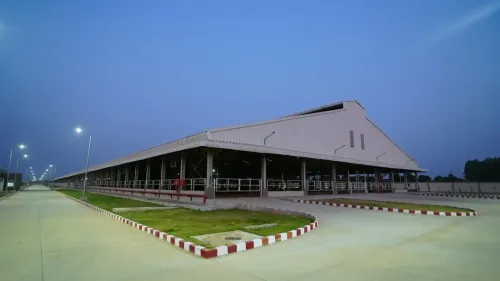
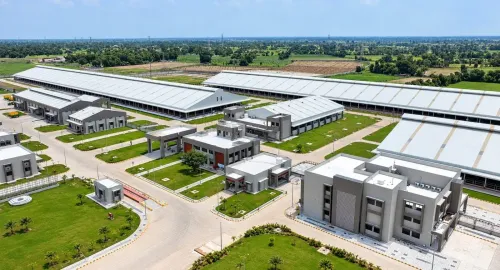
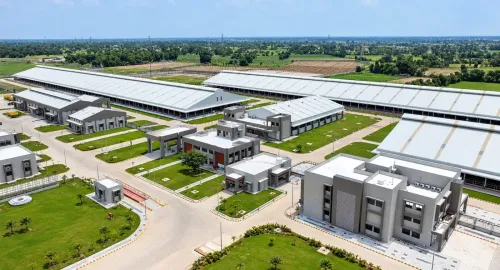
A gleaming new facility in the heart of Gujarat's dairy belt is drawing the Prime Minister's attention — and for good reason. Prime Minister Narendra Modi on Friday, 30 October 2026, visited and praised the Bharat Bovine Breeding and Research Centre in Banaskantha, calling it a showcase of 'innovation with a purpose' for India's farming community.
Banaskantha's bovine bet on science
Banaskantha district in northern Gujarat is already one of India's most productive dairy corridors, home to large cooperatives and smallholder livestock farmers who depend on cattle yields for their livelihoods. The Bharat Bovine Breeding and Research Centre is designed to bring cutting-edge breeding science directly to this ecosystem — improving genetics, milk output, and disease resistance in bovine stock. Modi described the facility as showcasing 'the immense possibilities in animal husbandry.'
The centre fits squarely within a policy architecture the central government has been building since 2014, when the Rashtriya Gokul Mission was launched to conserve indigenous cattle breeds and lift bovine productivity through scientific methods. That programme channelled funds toward breed improvement stations, semen banks, and extension services for small and marginal farmers — the Banaskantha centre represents the next generation of that ambition.
Why breed science matters for rural incomes
The economics here are straightforward but consequential. Higher-yielding, healthier cattle translate directly into greater milk production per household — and in a country where dairy farming supports tens of millions of rural families, even marginal gains in per-animal output compound into significant income shifts. Successive governments have recognised this arithmetic, investing in research infrastructure to move breed improvement beyond the experimental and into the field.
Dedicated bovine research facilities also create a pipeline of locally adapted, scientifically validated breeds — reducing dependence on costly imported genetics and building resilience into India's livestock base. For dairy farmers and livestock owners in Gujarat and beyond, the promise is a more reliable, more productive animal at the centre of their enterprise.
What comes next for animal husbandry infrastructure
The question now is replication. The Banaskantha centre could serve as a template for similar facilities in other high-potential livestock states — and how quickly that rollout happens will determine whether today's visit marks a one-off showcase or the opening of a broader infrastructure push. Integration with state-level livestock development budgets in the coming financial year will be the real signal to watch.
India's rural economy is diversifying, but cattle remain its bedrock in hundreds of districts. If the model in Banaskantha delivers on its promise, the next budget cycle may well see more such centres on the map.
Point of View
Where agricultural modernisation and farmer prosperity are presented as interlinked policy outcomes rather than trade-offs. The Rashtriya Gokul Mission, now over a decade old, gives the government a credible policy lineage to invoke — the Banaskantha centre lets it point to tangible infrastructure rather than just programme outlay. Politically, lauding animal husbandry investment in Gujarat carries dual significance: it reinforces the state's dairy-cooperative identity while signalling to other livestock-heavy states that similar investment is possible. The real test of this framing will come when per-animal productivity data from such centres reaches farmers on the ground.
NationPress
30 Oct 2026
Frequently Asked Questions
What is the Bharat Bovine Breeding and Research Centre in Banaskantha?
It is a specialised facility in Banaskantha district, Gujarat , dedicated to bovine breeding and research aimed at improving cattle genetics, milk productivity, and livestock health for Indian farmers.
Why did PM Modi visit Banaskantha on 30 October 2026?
PM Narendra Modi visited the Bharat Bovine Breeding and Research Centre on 30 October 2026 and praised it as a landmark facility showcasing innovation in animal husbandry and its potential to improve farmer prosperity.
What is the Rashtriya Gokul Mission?
The Rashtriya Gokul Mission is a central government programme launched in 2014 to conserve indigenous cattle breeds and boost bovine productivity through scientific breeding, semen banks, and extension services for smallholder farmers.
How does bovine breed research help Indian dairy farmers?
Scientific breed improvement can increase milk yields per animal, reduce disease susceptibility, and lower dependence on costly imported genetics — directly translating into higher incomes for dairy farmers and livestock owners .
Will more bovine breeding centres be set up across India?
The Banaskantha centre could serve as a replicable model; whether similar facilities are established in other states will likely become clearer from upcoming state and central livestock development budgets.