PM Modi highlights Banaskantha bovine research centre for dairy growth
Synopsis
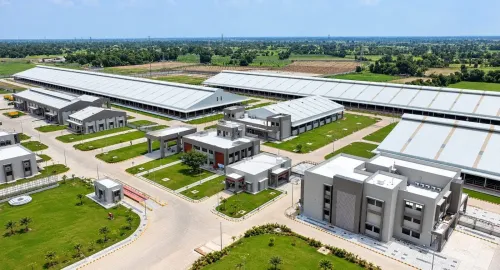
Prime Minister Narendra Modi spotlighted the Bharat Bovine Breeding and Research Centre in Banaskantha, Gujarat, framing animal welfare and genetic improvement as the twin engines of India's dairy productivity and rural farmer prosperity.
Key Takeaways
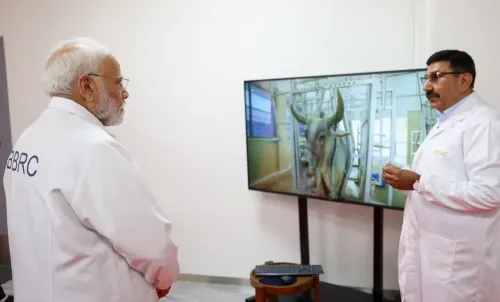
PM Modi highlighted the Bharat Bovine Breeding and Research Centre in Banaskantha, Gujarat on 30 October 2026 .
The centre's stated goals are animal welfare, enhanced dairy productivity, and greater farmer prosperity.
Banaskantha has a strong dairy cooperative tradition and large livestock population, making it a strategic location for bovine research.
The facility builds on the Rashtriya Gokul Mission , launched in 2014 , which focuses on indigenous bovine breed conservation and genetic improvement.
India is the world's largest milk producer; specialised breeding centres aim to sustain that lead through science-backed yield improvements.
The government is expected to roll out similar breeding centres in other states, with milk production and animal health data as key metrics to watch.
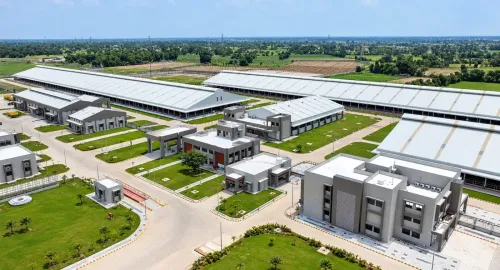
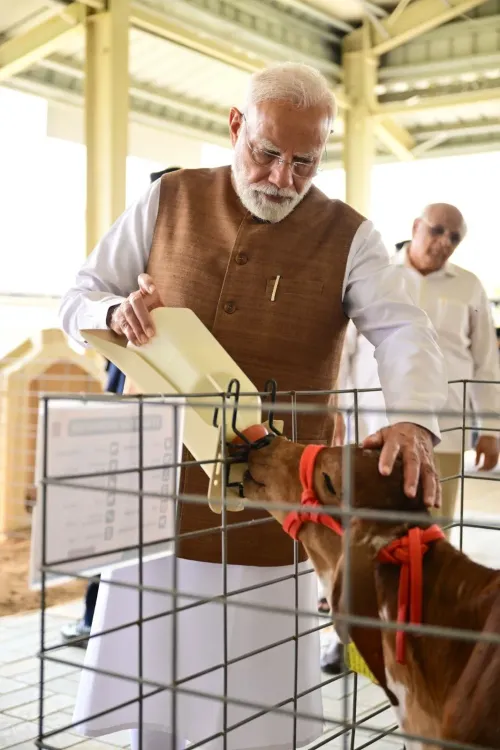
India's dairy future, Prime Minister Narendra Modi argued on Friday, 30 October 2026, runs through the health of its cattle — and a new specialised facility in Banaskantha, Gujarat is built to deliver exactly that. The Bharat Bovine Breeding and Research Centre is designed to advance animal welfare, lift milk yields, and translate both into greater income for the country's dairy farmers.
What the Banaskantha centre is built to do
The Prime Minister's post laid out a three-part mission for the facility: animal welfare, enhanced dairy productivity, and farmer prosperity. That sequencing matters — welfare first, yield second — signalling a shift from purely output-driven livestock policy toward an integrated approach where healthier animals are the route to higher production. Banaskantha is a deliberate choice of location: the northern Gujarat district is home to a deep-rooted dairy cooperative tradition and a substantial livestock population that makes it a natural testbed for bovine genetics and breeding research.
Rashtriya Gokul Mission and the genetics push behind it
The centre sits within a broader policy arc that dates to 2014, when the government launched the Rashtriya Gokul Mission — a flagship programme to conserve indigenous bovine breeds, improve their genetics, and build the kind of breeding infrastructure that can deliver results at scale. The Banaskantha facility represents the next generation of that investment: a dedicated research hub rather than a distributed breeding programme, capable of combining genetic science with on-the-ground animal-health monitoring.
India is already the world's largest milk producer, a position built on a cooperative model pioneered in Gujarat itself. Sustaining that lead as global dairy demand rises requires closing the productivity gap between Indian breeds and high-yield imported genetics — without sacrificing the resilience of indigenous cattle to local climatic conditions. That is precisely the problem specialised bovine breeding centres are designed to solve.
What farmers in Gujarat's dairy belt stand to gain
For the smallholder dairy farmers who form the backbone of Banaskantha's rural economy, the practical payoff would come through access to higher-quality breeding material and veterinary guidance — inputs that have historically been concentrated in large cooperative networks or inaccessible to individual households. A research centre that translates genetic gains into field-ready solutions could meaningfully raise per-animal milk yields, compressing the time between scientific advance and farm-level income. The government has flagged the rollout of similar centres in other states as the next step to watch.
Point of View
Rather than a purely productivity-driven project. By invoking animal welfare alongside farmer income, the messaging attempts to broaden the political coalition behind livestock policy beyond traditional agri-business constituencies. The facility also deepens the BJP's footprint in Gujarat's dairy belt ahead of any future state-level electoral cycle, where cooperative dairy networks have historically been powerful mobilising forces. The real test will be whether the research translates into accessible, affordable genetic material for smallholder farmers rather than remaining concentrated in cooperative or institutional hands.
NationPress
30 Oct 2026
Frequently Asked Questions
What is the Bharat Bovine Breeding and Research Centre in Banaskantha?
It is a specialised facility in Banaskantha, Gujarat focused on bovine genetics improvement, animal welfare, and dairy productivity research, aimed at raising milk yields and supporting farmer incomes.
What is the Rashtriya Gokul Mission?
The Rashtriya Gokul Mission was launched in 2014 to conserve indigenous bovine breeds, improve their genetics, and build breeding infrastructure across India to enhance dairy productivity.
Why was Banaskantha chosen for the bovine research centre?
Banaskantha is a district in northern Gujarat with a strong dairy cooperative tradition and a large livestock population, making it a natural hub for bovine research and breeding initiatives.
How does the centre benefit dairy farmers?
The centre is designed to provide farmers with access to better breeding material and animal health support, which can raise per-animal milk yields and, in turn, improve rural household incomes.
Is India the world's largest milk producer?
Yes, India is the world's largest milk producer, a position built on its cooperative dairy model; specialised bovine breeding centres are part of the effort to sustain and grow that lead.