Goyal: PM Modi inaugurates Bovine Breeding Centre in Banaskantha
Synopsis
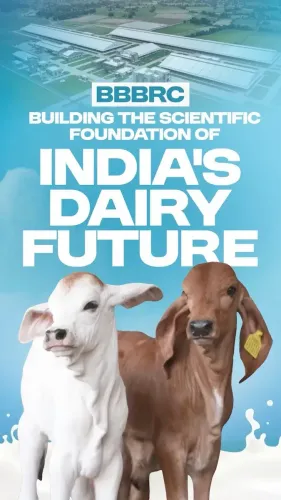
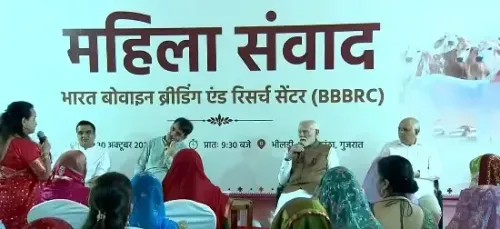
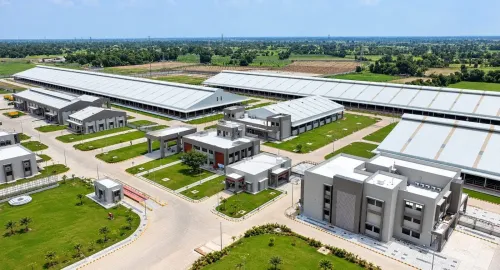
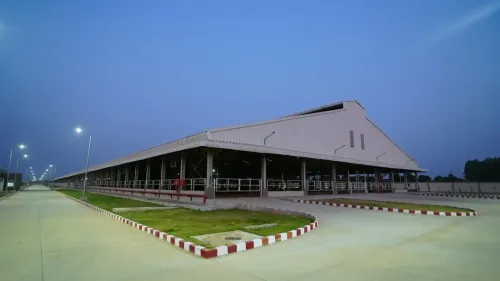
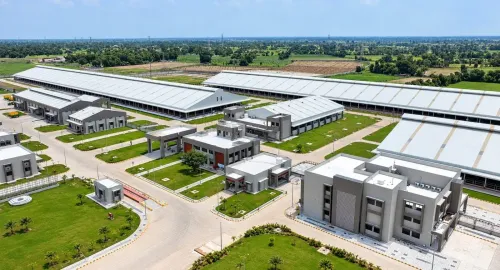
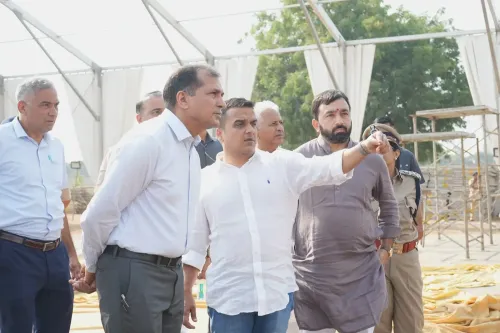
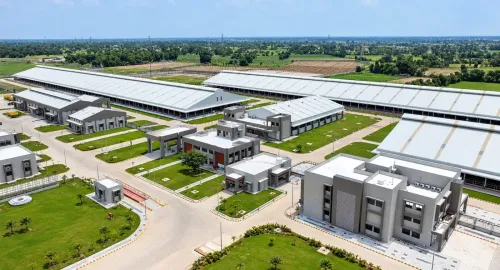
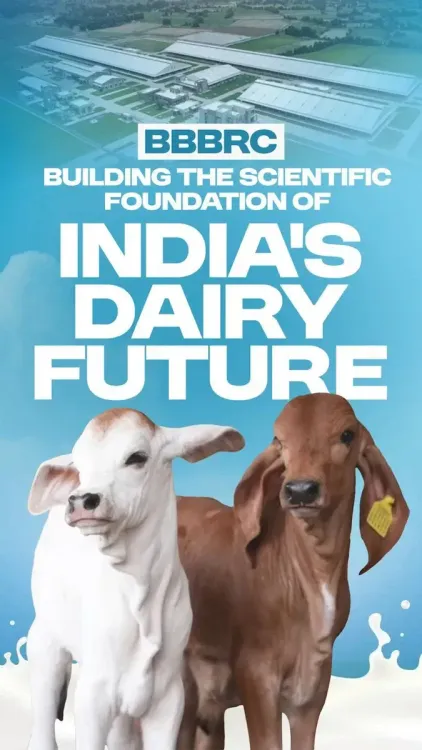
Prime Minister Narendra Modi inaugurated the Bharat Bovine Breeding & Research Centre at Bhildi, Banaskantha, Gujarat on October 30, 2026. Welcomed by Commerce Minister Piyush Goyal, the facility advances India's indigenous bovine genetics agenda under the Rashtriya Gokul Mission, targeting productivity gaps in the world's largest dairy economy.
Key Takeaways
PM Narendra Modi inaugurated the Bharat Bovine Breeding & Research Centre at Bhildi, Banaskantha, Gujarat on October 30, 2026 .
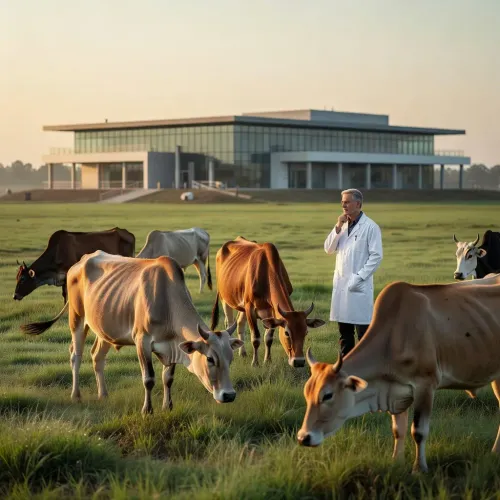
The centre is designed to strengthen India's dairy sector through scientific research and advanced breeding practices focused on indigenous bovine breeds.
Banaskantha is a historically significant dairy cooperative district in northern Gujarat, home to breeds such as Gir and Kankrej.
The facility aligns with the Rashtriya Gokul Mission , launched in December 2014 , which promotes genetic improvement of indigenous bovines.
India is the world's largest milk producer; improving per-animal yields without losing climate-resilient indigenous bloodlines is a core policy goal.
Union Minister Piyush Goyal described the inauguration as part of PM Modi's ongoing commitment to 'bringing science closer to farmers.'
From the cooperative heartland of northern Gujarat, Prime Minister Narendra Modi on Friday, October 30, 2026 inaugurated the Bharat Bovine Breeding & Research Centre at Bhildi, Banaskantha — a facility designed to bring laboratory-grade genetics to the cattle shed. Union Commerce and Industry Minister Piyush Goyal welcomed the development on X, calling it a concrete expression of the Prime Minister's commitment to science-driven agriculture.
Banaskantha: where dairy ambition meets indigenous breeds
Banaskantha is not a random pin on the map. The northern Gujarat district has anchored India's dairy cooperative movement for decades, mirroring the Amul model that turned milk into a national success story. Placing a dedicated bovine breeding and research centre here sends a deliberate signal — Gujarat's livestock-dense belt is being positioned as a hub for the next phase of dairy modernisation, one built on genomics and advanced reproductive science rather than traditional herd management alone.
India remains the world's largest milk producer, yet per-animal yields for indigenous breeds lag significantly behind global benchmarks. Bridging that gap — without abandoning climate-resilient native bloodlines — is precisely the problem these kinds of facilities are designed to solve.
Rashtriya Gokul Mission: the policy spine behind the centre
The new facility slots into a policy framework that dates back to December 2014, when the Centre launched the Rashtriya Gokul Mission specifically to conserve and develop indigenous bovine breeds through genetic improvement. The mission created a network of Gokul Grams — integrated breeding centres — and pushed semen-station upgrades to deliver high-quality germplasm to smallholder farmers. The Bharat Bovine Breeding & Research Centre at Bhildi extends that architecture, adding a research dimension aimed at translating scientific advances into verifiable productivity gains on the ground.
Dairy farmers and livestock breeders across Gujarat and beyond stand to benefit most directly — particularly those working with indigenous breeds such as Gir and Kankrej, which are prized for both milk quality and heat tolerance.
Science at the farm gate — and what comes next
Minister Goyal framed the inauguration as part of a continuous arc: 'PM Modi ji's commitment to bringing science closer to farmers continues.' That framing matters. It signals that today's ribbon-cutting is one node in a wider rollout rather than a one-off announcement. Observers will be watching for linked budgetary allocations in the next parliamentary session and for state-level implementation reports that could determine whether this centre's research actually reaches the smallholder at the far end of the supply chain.
India's dairy sector is a ₹11-lakh-crore-plus economy that supports the livelihoods of more than 80 million rural households. Every percentage point of productivity improvement, multiplied across that base, is not a statistical footnote — it is real income for real families. The Bhildi centre, in that light, is small infrastructure with an outsized mandate.
Point of View
Gujarat's cooperative heartland, reinforces the state's symbolic role as proof-of-concept for national dairy policy. The Rashtriya Gokul Mission has now run for over a decade; the true test of the Bhildi centre will be whether its research outputs reach the smallholder or remain confined to institutional networks. Piyush Goyal's amplification also underscores how senior Cabinet ministers are being deployed as narrators of the government's agricultural modernisation arc ahead of any upcoming electoral cycles.
NationPress
30 Oct 2026
Frequently Asked Questions
What is the Bharat Bovine Breeding & Research Centre at Bhildi?
It is a new scientific facility inaugurated by PM Narendra Modi at Bhildi in Banaskantha, Gujarat, focused on advanced bovine breeding and research to improve productivity and conserve indigenous cattle breeds.
Where is Bhildi and why was it chosen for this centre?
Bhildi is a town in Banaskantha district, northern Gujarat — a region with a long history of dairy cooperatives and indigenous livestock farming, making it a natural hub for bovine research.
What is the Rashtriya Gokul Mission and how does it connect to this inauguration?
The Rashtriya Gokul Mission is a Central government scheme launched in December 2014 to conserve and develop indigenous bovine breeds through genetic improvement. The Bhildi centre extends this mission's infrastructure into dedicated research.
How does this affect dairy farmers in India?
Smallholder dairy farmers — especially those working with indigenous breeds like Gir and Kankrej — stand to benefit through access to scientifically improved germplasm that can raise milk yields while retaining climate resilience.
What did Piyush Goyal say about the inauguration?
Union Commerce and Industry Minister Piyush Goyal posted on X that the inauguration reflects PM Modi's commitment to 'bringing science closer to farmers' and marks another step in strengthening India's dairy sector.