CM Siddaramaiah demands Dharmendra Pradhan resign over NEET crisis
Synopsis
Karnataka Chief Minister Siddaramaiah has demanded the resignation of Union Education Minister Dharmendra Pradhan over NEET irregularities and called on Prime Minister Modi to apologise to lakhs of affected students, urging a transparent, time-bound investigation.
Key Takeaways
Karnataka CM Siddaramaiah demanded Education Minister Dharmendra Pradhan's resignation over alleged NEET irregularities on 21 July 2026 .
He called on Prime Minister Narendra Modi to address the nation and apologise to the lakhs of students whose trust he said had been betrayed.
Siddaramaiah demanded a 'transparent, time-bound investigation' to deliver justice to every affected NEET aspirant .
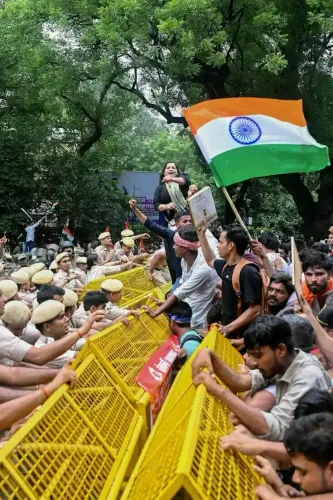
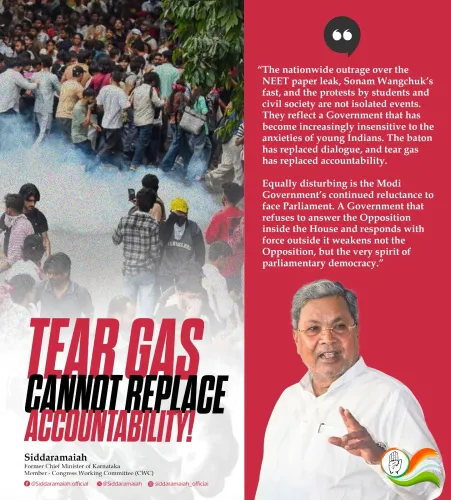
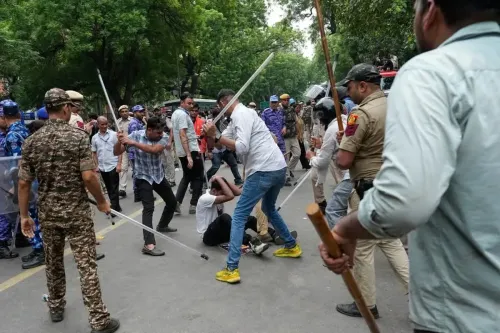
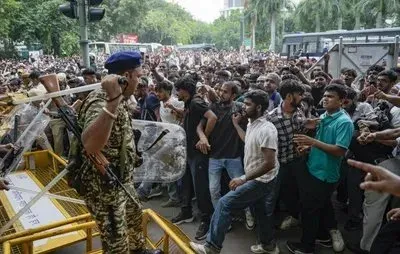
He criticised the alleged use of force against protesting students, saying India's future cannot be secured 'by answering questions with lathis or tearing the Constitution with tear gas.' NEET has been the sole national medical entrance examination since a Supreme Court order in 2016 , replacing state-level tests.
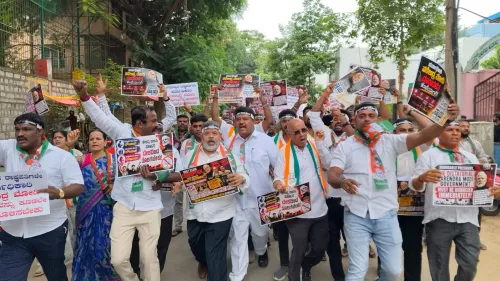
Siddaramaiah called on Congress 'leaders, workers, and youth' to stand in solidarity with NEET aspirants .
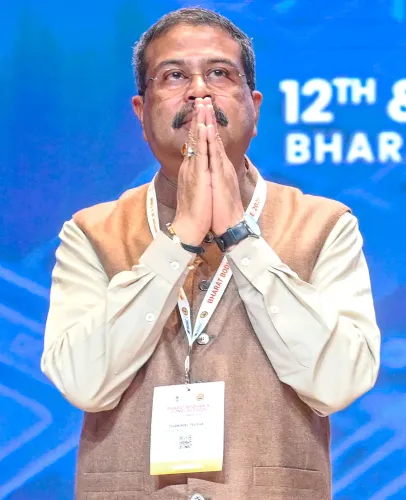
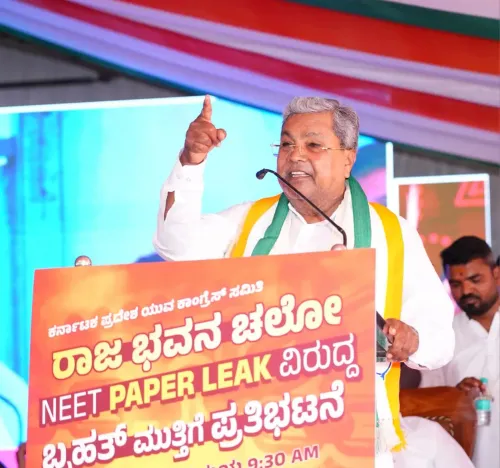
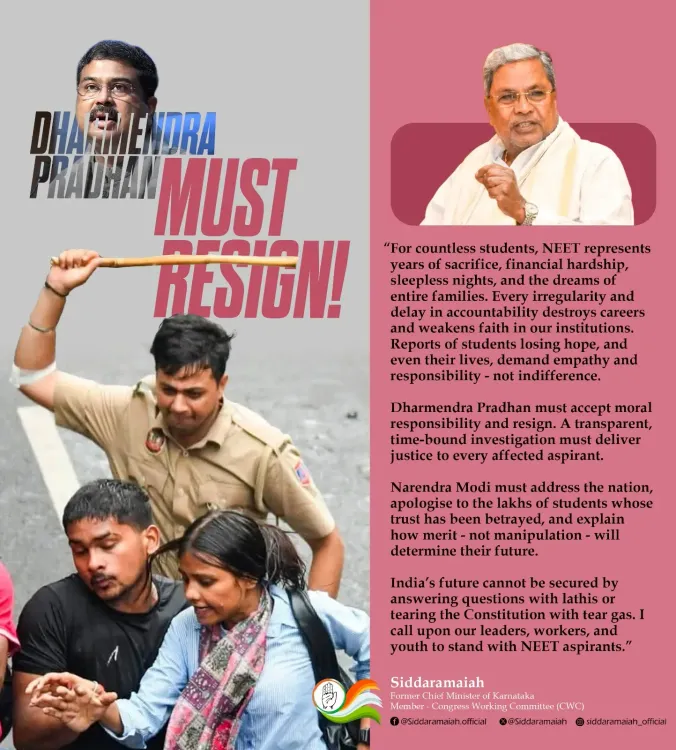
Karnataka Chief Minister Siddaramaiah on Tuesday, 21 July 2026, called on Union Education Minister Dharmendra Pradhan to accept moral responsibility and resign over alleged irregularities in the National Eligibility cum Entrance Test (NEET), while also demanding that Prime Minister Narendra Modi address the nation and apologise to affected students.
Context
In a sharply worded post on X, Siddaramaiah said NEET represents 'years of sacrifice, financial hardship, sleepless nights, and the dreams of entire families' for countless students. He warned that 'every irregularity and delay in accountability destroys careers and weakens faith in our institutions,' citing reports of students losing hope and, in some cases, their lives.
The Chief Minister demanded a 'transparent, time-bound investigation' to deliver justice to every affected aspirant, and called on Modi to explain 'how merit — not manipulation — will determine their future.' He also criticised what he characterised as a crackdown on protesting students, stating: 'India's future cannot be secured by answering questions with lathis or tearing the Constitution with tear gas.'
Policy Backdrop
NEET was established as India's sole national medical entrance examination following a Supreme Court order in 2016, replacing multiple state-level tests. The shift centralised medical admissions under a single framework administered by the Union Education Ministry, removing state governments' authority over the process.
This centralisation has been a persistent point of contention between several state governments and the Centre, particularly among states that previously ran their own well-regarded medical entrance systems. Siddaramaiah's statement continues a pattern of Congress-led state governments pressing the Union government on the integrity and conduct of centrally administered entrance tests.
Stakeholders and Impact
The primary stakeholders are the lakhs of NEET aspirants across India who depend on the examination's credibility for admission to undergraduate medical and dental programmes. Any erosion of trust in the examination process directly affects their career prospects and the years of preparation invested by their families.
Siddaramaiah specifically called upon 'leaders, workers, and youth to stand with NEET aspirants,' signalling that the Indian National Congress intends to mobilise political support around the issue. The demand for Pradhan's resignation and a public apology from Modi raises the political stakes considerably ahead of any parliamentary discussion on education policy.
What's Next
Attention will now turn to whether the Central government responds formally to the resignation demand and whether a timeline for any investigation into NEET irregularities is made public. The issue is also likely to feature prominently in the next parliamentary session, where opposition parties are expected to press the Union Education Ministry on accountability measures and reform of the examination process.
The broader question of whether NEET should be restructured — or whether states should regain some control over medical admissions — is likely to gain renewed momentum as political pressure from Congress-ruled states intensifies.
Point of View
Transforming a student welfare issue into a direct political challenge targeting two of the BJP government's most senior figures simultaneously. By demanding both a ministerial resignation and a prime-ministerial apology, the Congress leadership is framing NEET not merely as an administrative failure but as a crisis of democratic accountability. This fits a broader opposition strategy of contesting the Centre's grip on nationally administered examinations, where federal tensions over education policy have simmered since NEET replaced state-level tests in 2016. The mobilisation call to 'leaders, workers, and youth' suggests the party intends to sustain street-level pressure alongside its parliamentary offensive.
NationPress
20 Oct 2026
Frequently Asked Questions
Why is Siddaramaiah demanding Dharmendra Pradhan's resignation?
Karnataka Chief Minister Siddaramaiah has demanded Dharmendra Pradhan's resignation because he holds the Union Education Minister morally responsible for alleged irregularities in the NEET examination that he says have destroyed student careers and shaken public faith in institutions.
What is NEET and why is it controversial?
NEET is India's single national entrance examination for undergraduate medical and dental admissions, mandated by the Supreme Court in 2016 . It has been controversial because it replaced state-level tests, centralising control under the Union Education Ministry , and has faced repeated allegations of irregularities in its conduct.
What did Siddaramaiah ask Prime Minister Modi to do?
Siddaramaiah asked Prime Minister Narendra Modi to address the nation, apologise to the lakhs of students whose trust he said had been betrayed, and explain how merit rather than manipulation will determine students' futures.
What investigation is Siddaramaiah calling for in the NEET case?
Siddaramaiah is calling for a 'transparent, time-bound investigation' into NEET irregularities to deliver justice to every affected aspirant, without specifying a particular agency to conduct it.
How does the NEET controversy connect to Centre-state tensions?
The dispute reflects a longstanding federal tension: when NEET replaced state-controlled medical entrance tests in 2016 , several states lost authority over their own admissions processes. Congress-governed states, including Karnataka , have consistently challenged the Centre's exclusive control over the examination.