CM Siddaramaiah backs Youth Congress NEET protest, seeks PM accountability
Synopsis
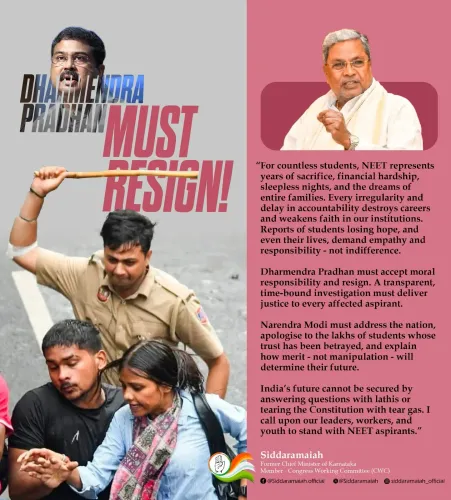
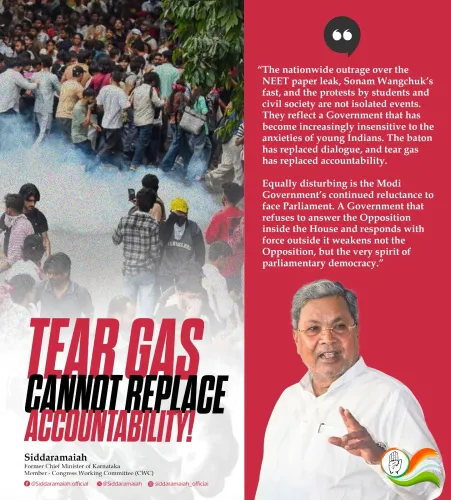
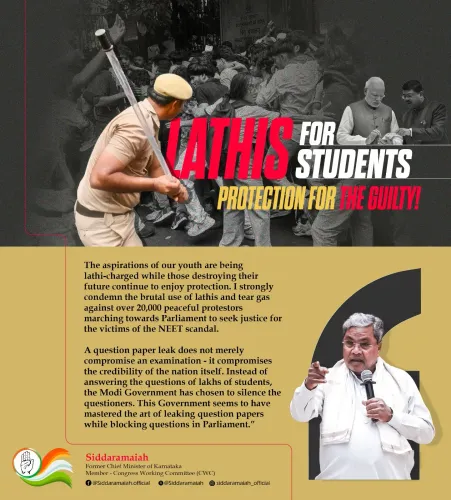
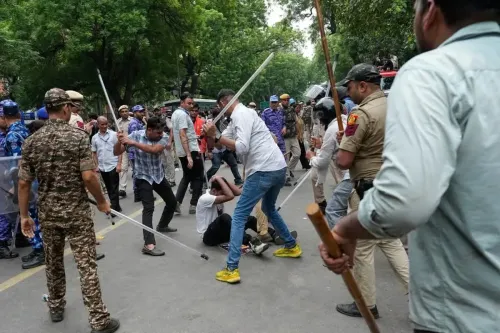
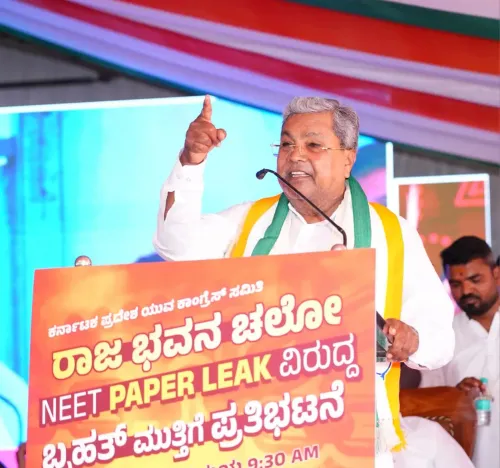
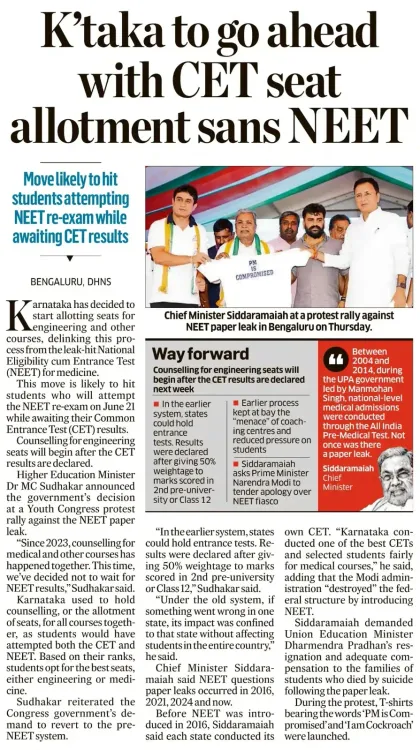
Karnataka Chief Minister Siddaramaiah on 22 May 2026 shared press coverage of his remarks at a Karnataka Youth Congress protest against NEET irregularities, demanding accountability from Prime Minister Modi and the Union Education Minister over the conduct of the centralised medical entrance test.
Key Takeaways
CM Siddaramaiah shared media coverage of his address at a Karnataka Youth Congress protest on 22 May 2026 .
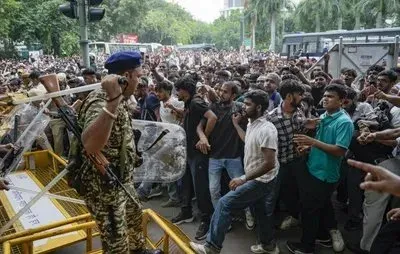
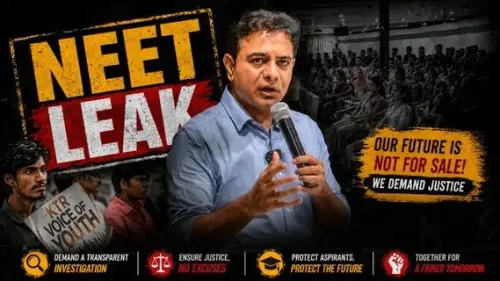
The protest targeted alleged irregularities in NEET , the centralised medical entrance examination administered by the National Testing Agency .
Demands were directed at Prime Minister Narendra Modi and the Union Education Minister .
NEET has faced recurring allegations of paper leaks and irregularities since its nationwide rollout, with opposition states arguing it disadvantages state-board and rural students.
Tamil Nadu passed legislation in 2021 seeking NEET exemption on equity grounds, a position echoed by Congress-led states including Karnataka.
The episode is part of a broader Congress campaign highlighting federal autonomy in education and alleged administrative lapses by the Union government.
Karnataka Chief Minister Siddaramaiah on Friday, 22 May 2026, shared press coverage of his remarks at a Karnataka Youth Congress protest against alleged irregularities in the National Eligibility cum Entrance Test (NEET), calling for accountability from Prime Minister Narendra Modi and the Union Education Minister.
Context
The Chief Minister's post shared media coverage of his address to Karnataka Youth Congress demonstrators who had gathered to protest what they described as irregularities in the conduct of NEET. Siddaramaiah's remarks, as reflected in the coverage he cited, directed demands for accountability squarely at the Prime Minister and the Union Education Ministry, which oversees the centralised examination through the National Testing Agency (NTA).
NEET is the sole all-India entrance examination for undergraduate medical admissions, a status upheld by the Supreme Court in 2016. Its administration has periodically attracted allegations of paper leaks, impersonation, and systemic irregularities, fuelling protests across several states.
Policy Backdrop
Opposition-governed states have long contested NEET's centralised model, arguing it disadvantages students from state-board curricula and rural backgrounds. Tamil Nadu became the most prominent example when its legislature passed a bill in 2021 seeking exemption from the examination on equity grounds — a position that Karnataka and other Congress-led states have echoed at various points.
The broader debate touches on federal autonomy in education, a subject on which the Siddaramaiah government has taken assertive positions since assuming office. Critics of NEET argue that a single centralised test cannot account for the diversity of state syllabi, while its proponents maintain it standardises merit-based selection and eliminates capitation fees.
Stakeholders and Impact
The most directly affected stakeholders are medical aspirants — hundreds of thousands of students who sit NEET each year, many of whom have taken the examination multiple times. Any perception of irregularities erodes confidence in the process and can have life-altering consequences for candidates who lose a year of preparation.
State education boards also have a stake in the outcome: if the Union government were to reform or decentralise NEET, it could restore a degree of state control over medical admissions policy. The Karnataka Youth Congress protest is part of a pattern of mobilisation by the party's youth wing on education-policy grievances, which tend to intensify around examination cycles.
What's Next
Attention will now turn to whether the Union Education Ministry responds formally to the demands raised at the protest, and to any fresh hearings before the Supreme Court on pending NEET-related petitions. Karnataka's ruling Congress will likely use this issue to sustain political pressure on the BJP-led central government in the run-up to future electoral cycles.
If the Centre does not engage with state-level demands for reform or a credible inquiry into alleged irregularities, the protest is likely to be followed by further escalation — both on the streets and in parliamentary forums — as the Congress seeks to consolidate its standing among young voters and medical aspirants across the country.
Point of View
And it positions the party's youth machinery as an active force rather than a ceremonial wing. The NEET irregularities issue has proven durable electoral currency for the opposition, particularly with young, aspirational voters who feel let down by the centralised examination system. By demanding accountability directly from the Prime Minister rather than a lower-rung official, Siddaramaiah raises the political stakes and invites a response that the Centre may prefer to avoid. This fits a broader pattern in which Congress-governed states use education and federal-autonomy grievances to draw contrast with the BJP-led Union government ahead of electoral cycles.
NationPress
7 Oct 2026
Frequently Asked Questions
What are the NEET irregularities that Karnataka Youth Congress is protesting against?
The Karnataka Youth Congress protest is focused on alleged irregularities in the conduct of NEET, the centralised medical entrance examination. NEET has repeatedly faced allegations including paper leaks, impersonation, and systemic lapses in its administration by the National Testing Agency. Specific details of any newly reported irregularities in May 2026 are subject to ongoing scrutiny.
Why is CM Siddaramaiah demanding accountability from the Prime Minister over NEET?
NEET is administered by the National Testing Agency, a body under the Union Education Ministry, which is a central government responsibility. Since state governments have no direct control over NEET's conduct, Siddaramaiah is directing accountability demands at Prime Minister Modi and the Union Education Minister as the appropriate authorities.
What is Karnataka's position on NEET?
Karnataka, under the Congress-led Siddaramaiah government, has been critical of the centralised NEET model, arguing it disadvantages students from state-board curricula and rural backgrounds. The state has aligned with other opposition-governed states in calling for reforms or greater state autonomy in medical admissions.
Which states have sought exemption from NEET?
Tamil Nadu is the most prominent state to have sought exemption, passing legislation in 2021 on equity grounds. Several other opposition-ruled states, including Karnataka, have echoed similar concerns about NEET's impact on state-board and rural students.
What happens next in the NEET controversy?
Observers will watch for a formal response from the Union Education Ministry, any fresh Supreme Court hearings on NEET-related petitions, and whether Karnataka or other states escalate their demands through parliamentary or legal channels.