CM Siddaramaiah lays foundation for 80,000-seat stadium in Bengaluru
Synopsis
Karnataka CM Siddaramaiah laid the foundation for an 80,000-seat international cricket stadium at Suryanagar, Bengaluru, to be funded entirely by the Karnataka Housing Board without state budget support, alongside road approvals and over 3 lakh housing units delivered statewide.
Key Takeaways
Foundation stone for an international cricket stadium was laid at Suryanagar, Bengaluru on 23 May 2026 .
The stadium will have 80,000 seats , making it the second-largest cricket venue in India.
Construction will be funded entirely from KHB's own resources , with no direct state budget allocation.
KHB is projected to earn approximately ₹20,000 crore from sale of vacant plots to finance the project.
Administrative approval has been granted for a major connectivity road in Jigani Hobli to support the region's development.
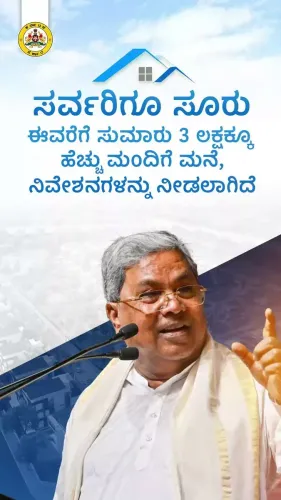
The Housing Department has provided more than 3 lakh houses and plots across Karnataka during the current government term.
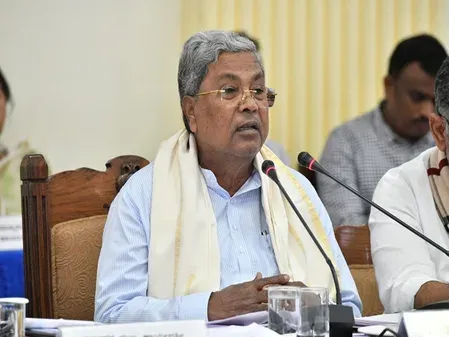
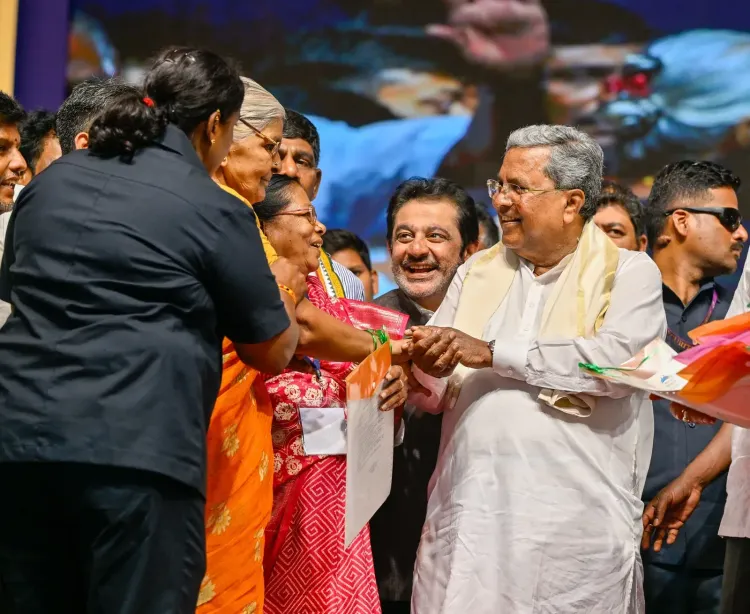
Karnataka Chief Minister Siddaramaiah on Saturday, 23 May 2026, laid the foundation stone for an international-standard cricket stadium at Suryanagar in Bengaluru, framing the project as a catalyst for sports, tourism, employment, and economic growth across the region.
Context
Speaking at the foundation-laying and development launch event, Siddaramaiah said the government has 'taken a forward step for the comprehensive development of this area from all angles — sports, tourism, employment creation, and economic growth.' He described the Karnataka Housing Board (KHB)'s decision to build the stadium as a 'far-sighted step,' noting that the board had until now confined itself to residential construction.
The Chief Minister specifically commended Shivalinge Gowda and Housing Minister Zameer Ahmed for championing the initiative. The stadium, planned with an 80,000-seat capacity, would rank as the second-largest cricket venue in India, behind a 90,000-seat stadium in Gujarat.
Policy Backdrop
A defining feature of the project is its financing model. Shivalinge Gowda has stated the stadium will be built entirely from KHB's own funds, without direct state budgetary support. The board is projected to generate an estimated ₹20,000 crore in revenue from the sale of vacant KHB plots — proceeds that are expected to underwrite the stadium and allied infrastructure.
The KHB, established in 1976, has historically focused on affordable residential layouts. Its pivot to a landmark sports venue marks a significant expansion of its mandate. This approach mirrors a broader pattern across Indian states, where housing boards and urban development authorities monetise land banks in metropolitan outskirts to finance iconic public infrastructure without straining the state exchequer.
Alongside the stadium, the government has granted administrative approval for a major connectivity road in Jigani Hobli, an adjacent administrative area, to support the region's overall development. Officials are expected to begin work on the road shortly.
Stakeholders and Impact
The project is positioned to benefit multiple constituencies. Suryanagar residents and surrounding localities stand to gain from improved connectivity and the economic activity a large venue typically generates — hospitality, retail, and transport services among them. The construction phase itself is expected to create direct employment for a sizeable workforce.
For lower-income groups, KHB continues to offer plots at affordable rates even as land prices in the city's outskirts rise sharply. Siddaramaiah noted that the Housing Department has so far provided more than 3 lakh houses and plots across the state during the current term — underscoring that the stadium project sits within a broader housing and infrastructure push rather than replacing it.
The tourism sector is another anticipated beneficiary. A venue of this scale would position Bengaluru to host international cricket fixtures and large-scale events that currently gravitate toward cities with bigger stadiums, generating hotel stays, local spending, and wider brand visibility for the region.
What's Next
The immediate milestones to watch are the finalisation of construction tenders and the announcement of a build timeline for the 80,000-seat stadium. Progress on the approved Jigani Hobli road link and the continued rollout of subsidised plot allotments for lower-income applicants will serve as parallel indicators of how swiftly the government translates today's foundation-laying into on-ground delivery.
If the self-funded KHB model succeeds, it could establish a replicable template for other state housing boards seeking to diversify into revenue-generating public infrastructure — a development that would have implications well beyond Karnataka.
Point of View
The Siddaramaiah government insulates itself from opposition charges of fiscal profligacy while still claiming a marquee project. Commending named officials publicly is a deliberate signal that the administration is rewarding institutional initiative, nudging other departments to think beyond their traditional mandates. The self-funding model, if it holds, could reframe how Congress-governed states pitch development spending ahead of the next electoral cycle. The pairing of a world-class stadium with affordable housing plots in the same breath is also a careful balancing act — ensuring the flagship project does not appear to crowd out welfare priorities.
NationPress
19 Sept 2026
Frequently Asked Questions
Where is the new international cricket stadium being built in Karnataka?
The stadium is being built at Suryanagar in the southern outskirts of Bengaluru, where CM Siddaramaiah laid the foundation stone on 23 May 2026.
How many seats will the Suryanagar cricket stadium have?
The planned stadium will have 80,000 seats, which would make it the second-largest cricket venue in India after a 90,000-seat stadium in Gujarat.
Who is funding the Suryanagar stadium — will the state government pay for it?
No direct state budget funds are involved. The Karnataka Housing Board (KHB) will finance the stadium from its own resources, largely through revenue from the sale of vacant KHB plots, estimated at around ₹20,000 crore.
What is the Karnataka Housing Board's role in this project?
The KHB, traditionally a residential housing agency, is expanding its mandate to build the 80,000-seat stadium using its own funds — a significant departure from its historical focus on plot development and affordable housing.
What other development work was announced alongside the stadium?
Administrative approval was granted for a major connectivity road in Jigani Hobli near Suryanagar. CM Siddaramaiah also highlighted that the Housing Department has delivered more than 3 lakh houses and plots across Karnataka during the current government term.