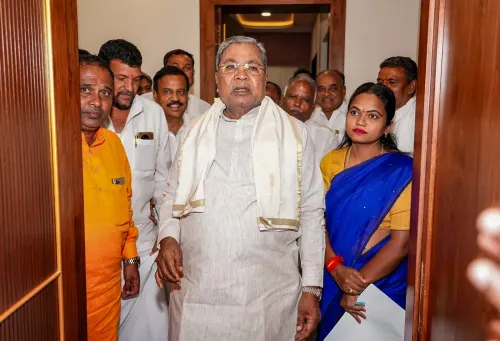
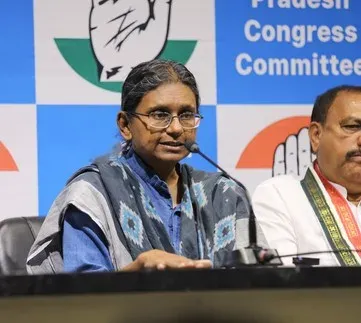
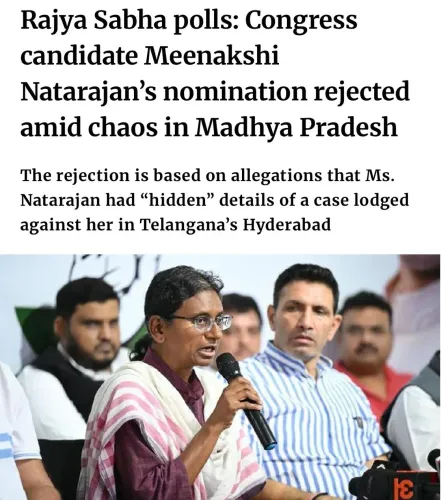
CM Siddaramaiah slams rejection of Congress nominee Meenakshi Natarajan's Rajya Sabha bid
Synopsis
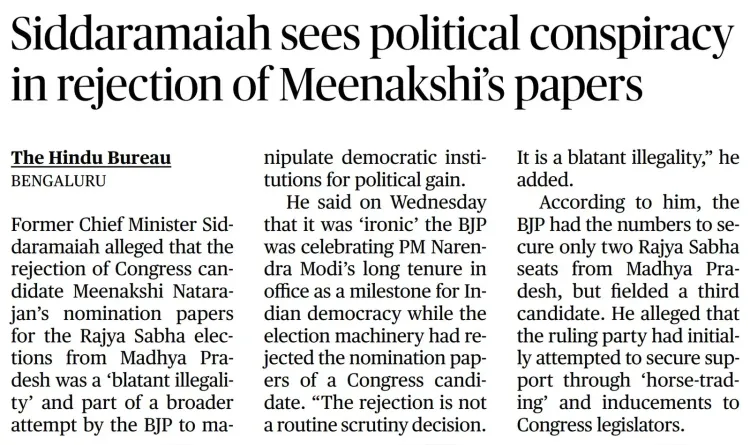
Karnataka Chief Minister Siddaramaiah on June 11, 2026 publicly condemned the rejection of Congress candidate Meenakshi Natarajan's Rajya Sabha nomination from Madhya Pradesh as 'blatant illegality', sharing press coverage of his statement and signalling the party's intent to contest the decision.
Key Takeaways
Karnataka CM Siddaramaiah called the rejection of Meenakshi Natarajan 's Rajya Sabha nomination from Madhya Pradesh 'blatant illegality' on June 11, 2026 .
Meenakshi Natarajan is a former Lok Sabha MP from Mandsaur and was the Congress party's Rajya Sabha nominee from the state.
The Supreme Court 's Kuldip Nayar v.
Union of India (2006) ruling confirms Rajya Sabha candidates need not be residents of the state they contest from.
Madhya Pradesh is governed by the BJP , and the nomination dispute follows a recurring pattern of opposition nominees facing procedural challenges in rival-party-ruled states.
A legal challenge before the Madhya Pradesh High Court or a clarification from the Election Commission of India is the expected next step.
Karnataka Chief Minister Siddaramaiah on Thursday, June 11, 2026, publicly called out what he described as the 'blatant illegality' behind the rejection of Indian National Congress candidate Meenakshi Natarajan's Rajya Sabha nomination from Madhya Pradesh, sharing press coverage of his statement on social media.
Context
Meenakshi Natarajan, a former Lok Sabha MP from Mandsaur constituency in Madhya Pradesh, was fielded by the Congress for a Rajya Sabha seat from the state. Her nomination was subsequently rejected by election authorities, triggering a sharp reaction from the party's leadership. Siddaramaiah drew attention to press coverage of his earlier statement condemning the rejection as illegal.
The Karnataka Chief Minister's intervention underscores the Congress party's position that the rejection was procedurally flawed and politically motivated. By amplifying the press coverage, Siddaramaiah sought to keep national focus on what the party frames as electoral misconduct in a BJP-governed state.
Policy Backdrop
A settled constitutional position — affirmed by the Supreme Court of India in the landmark Kuldip Nayar v. Union of India (2006) judgment — establishes that Rajya Sabha candidates are not required to be residents or registered electors of the state from which they contest. This ruling has been the governing precedent for cross-state Rajya Sabha nominations for nearly two decades.
Opposition parties have repeatedly invoked this precedent when their nominees face nomination challenges in states governed by rival parties. Any rejection that appears to contradict this settled law is likely to face legal scrutiny, including potential challenges before the relevant High Court or the Election Commission of India.
Stakeholders and Impact
Meenakshi Natarajan's disqualification, if upheld, would directly affect the Congress party's representation in the Rajya Sabha from Madhya Pradesh, a state where the party holds limited legislative strength and relies on strategic nominations to maintain an upper-house presence. The outcome also carries implications for the broader opposition bloc's numerical position in Parliament.
State election officials and the Returning Officer responsible for the rejection are central stakeholders, as their order is now the subject of public and legal scrutiny. The Election Commission of India may face pressure to clarify the grounds on which the nomination was found defective.
What's Next
The Congress is widely expected to pursue legal remedies, including an election petition or a writ before the Madhya Pradesh High Court, challenging the Returning Officer's order. A formal clarification from the Election Commission of India on the rejection grounds would be a critical next step in resolving the dispute.
Nomination disputes of this nature in states with divided political control have historically escalated through the courts, and this case follows that pattern. The outcome will be watched closely as a test of how electoral procedures are administered in opposition-heavy nomination contests in BJP-ruled states.
Point of View
Not just press statements. Nomination rejections in BJP-governed states have become a recurring flashpoint, and this episode adds to a pattern that opposition parties argue reflects systemic misuse of electoral administration. The case will test whether legal remedies can move fast enough to be meaningful before the Rajya Sabha seat is otherwise filled.
NationPress
29 Jul 2026
Frequently Asked Questions
Why was Meenakshi Natarajan's Rajya Sabha nomination rejected?
The specific grounds cited by the Returning Officer for rejecting Meenakshi Natarajan 's nomination have not been officially confirmed. CM Siddaramaiah and the Congress party have called the rejection 'blatantly illegal' and are expected to challenge it legally.
Can a Congress leader from Karnataka contest Rajya Sabha from Madhya Pradesh?
Yes. The Supreme Court in Kuldip Nayar v. Union of India (2006) settled that Rajya Sabha candidates do not need to be residents or electors of the state they contest from, making cross-state nominations constitutionally valid.
Who is Meenakshi Natarajan?
Meenakshi Natarajan is a senior Indian National Congress leader and former Lok Sabha MP from Mandsaur constituency in Madhya Pradesh , fielded by the party for a Rajya Sabha seat from the state.
What can Congress do after the nomination rejection?
The Congress party can file an election petition or approach the Madhya Pradesh High Court with a writ challenging the Returning Officer's order. It can also seek a formal clarification from the Election Commission of India .
What did Siddaramaiah say about the Rajya Sabha nomination rejection?
Karnataka Chief Minister Siddaramaiah stated that the rejection of Meenakshi Natarajan 's Rajya Sabha nomination from Madhya Pradesh was 'blatantly illegal', and shared press coverage of his statement on June 11, 2026 .