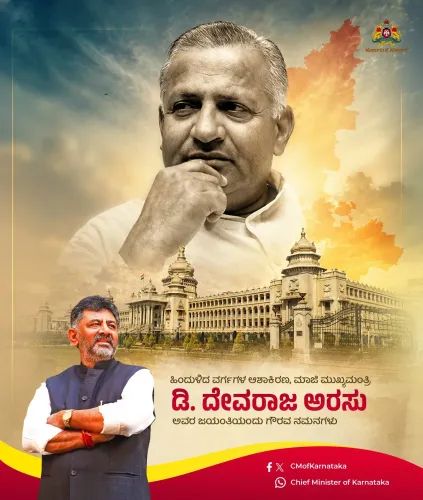
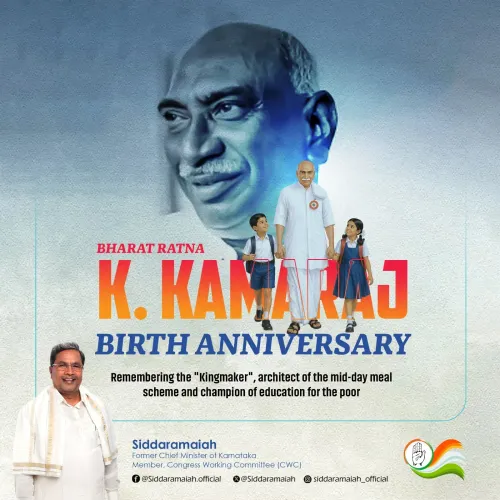
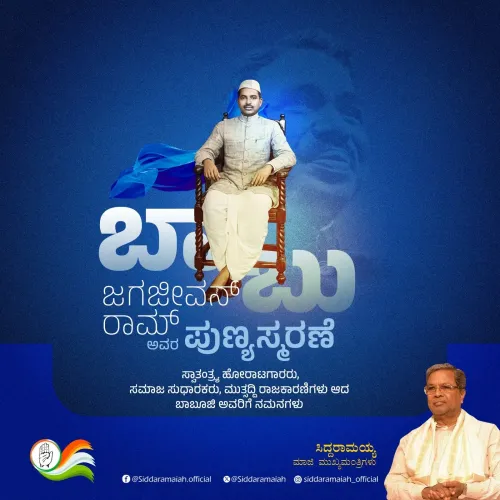
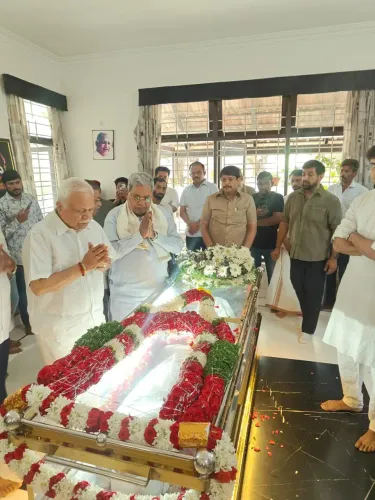
CM Siddaramaiah Pays Tribute to Devaraj Urs on Death Anniversary
Synopsis
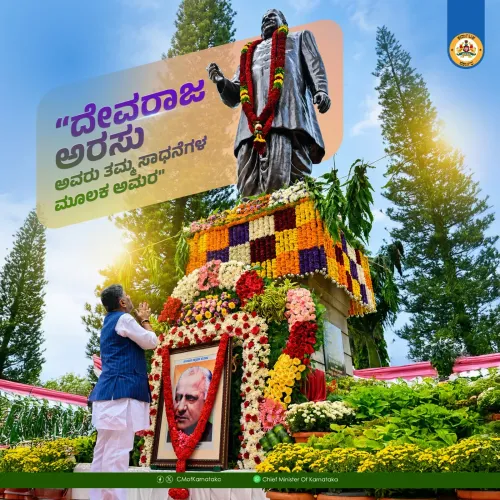
Karnataka Chief Minister Siddaramaiah paid tribute to former CM Devaraj Urs on his death anniversary, honouring Urs's land reforms and reservation policies and pledging to advance the social-justice legacy rooted in a lineage from Basavanna to the present.
Key Takeaways
Karnataka CM Siddaramaiah paid tribute to D.
Devaraj Urs on his death anniversary on June 6, 2026 .
Siddaramaiah traced a social-justice lineage from 12th-century reformer Basavanna through Nalwadi Krishnaraja Wodeyar to Devaraj Urs.
Devaraj Urs served as Karnataka CM during 1972-77 and 1978-80 , enacting landmark land-to-the-tiller reforms and establishing the state's first backward-classes commission.
The 1921 Miller Committee under Krishnaraja Wodeyar had earlier recommended 50 per cent reservation for non-Brahmin communities in state government jobs.
Siddaramaiah called it 'the fortune of his life' to continue the social-justice work Urs had begun, signalling ongoing policy focus on OBC and backward-class welfare .
Policy watchers will monitor potential moves on expanding the backward-classes reservation quantum or implementing a fresh caste survey in Karnataka.
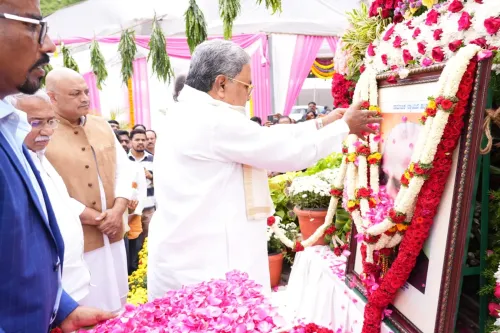
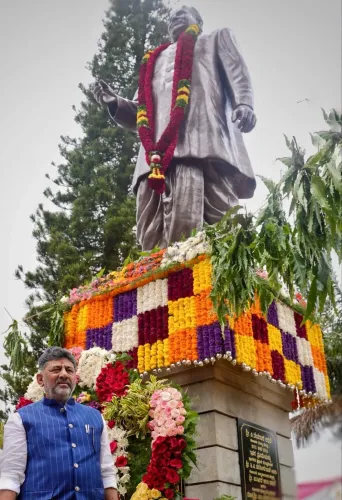
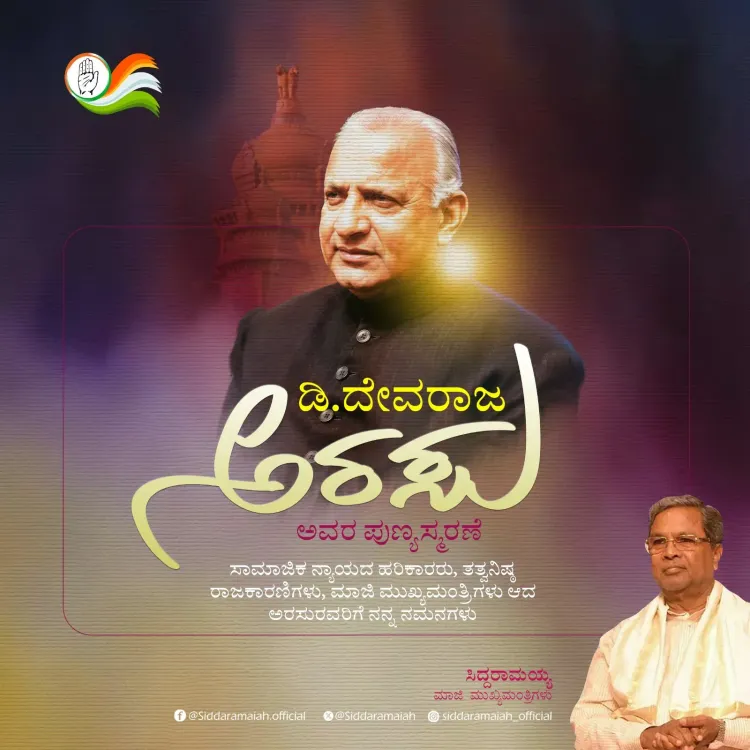
Karnataka Chief Minister Siddaramaiah on Saturday, June 6, 2026, paid tribute to former Chief Minister D. Devaraj Urs on his death anniversary, calling it a privilege of his own life to carry forward the social-justice legacy that Urs had built through landmark land and reservation reforms.
Context
Posting in Kannada, Siddaramaiah invoked a long arc of social reform stretching from the 12th-century philosopher-saint Basavanna through the reign of Nalwadi Krishnaraja Wodeyar and culminating in the work of Devaraj Urs. He wrote, 'ಬಸವಣ್ಣನವರಿಂದ ಪ್ರಾರಂಭವಾಗಿ' — 'beginning with Basavanna' — to frame Urs as the modern inheritor of a centuries-old movement against caste hierarchy. The Chief Minister described Urs as someone who 'not only transformed himself into a protector of marginalised communities despite being born into the Arasu caste, but also brought about the social, economic and educational transformation of those entire communities.'
Policy Backdrop
Devaraj Urs served as Chief Minister of Karnataka from 1972 to 1977 and again from 1978 to 1980. His government enacted land-to-the-tiller reforms that redistributed agricultural land to landless communities and established Karnataka's first backward-classes commission, which formed the foundation for expanded reservation in education and government employment. This built on an earlier tradition: the 1921 Miller Committee, constituted under Krishnaraja Wodeyar, had recommended 50 per cent reservation for non-Brahmin communities in state government jobs. Siddaramaiah noted that Urs 'opened the doors of power, wealth and opportunity for marginalised communities through revolutionary programmes such as land reform and reservations in education and employment.'
Siddaramaiah also added a personal dimension, writing that Urs, a fellow son of Mysore, had profoundly influenced his own thinking and achievements. 'I consider it the fortune of my life to have received the opportunity to pull the chariot of social justice — which he had drawn — even further forward,' he stated.
Stakeholders and Impact
The beneficiaries of the Urs-era reforms — Other Backward Classes (OBCs), rural landless households, and students from backward communities — remain a core constituency in Karnataka politics. Successive Congress governments in the state have positioned themselves as custodians of this legacy, using it to frame welfare schemes and reservation expansions as continuations of a settled social-justice mandate rather than new policy departures. The tribute reinforces that framing ahead of ongoing debates in the state over the quantum of backward-class reservations and the implementation of any fresh caste-survey recommendations.
What's Next
Observers will watch whether the Siddaramaiah government follows the anniversary tribute with concrete policy moves, particularly around expanding the backward-classes reservation quantum or acting on recommendations from any updated caste census exercise. Karnataka's caste arithmetic remains central to electoral mobilisation, and invocations of the Devaraj Urs legacy typically signal the administration's intent to keep social-justice policy at the centre of its governance narrative.
Point of View
Krishnaraja Wodeyar and Devaraj Urs into a single lineage, he claims both historical legitimacy and moral authority for present-day reservation and welfare policies. The personal note — that Urs, a fellow Mysorean, shaped his own worldview — humanises an otherwise ideological message and reinforces his identity as an OBC leader. In a state where caste arithmetic shapes every electoral cycle, this kind of anniversary tribute doubles as a signal to backward-class voters that the Congress government remains their natural custodian.
NationPress
21 Oct 2026
Frequently Asked Questions
Who was Devaraj Urs and why is he remembered in Karnataka?
D. Devaraj Urs was Chief Minister of Karnataka from 1972 to 1977 and again from 1978 to 1980. He is remembered for enacting land-to-the-tiller reforms, establishing Karnataka's first backward-classes commission, and expanding reservations in education and government employment for OBC and marginalised communities.
When is Devaraj Urs's death anniversary observed?
Devaraj Urs's death anniversary falls on June 6 and is observed annually across Karnataka with tributes from political leaders and social organisations.
Why did CM Siddaramaiah mention Basavanna and Krishnaraja Wodeyar in his tribute?
Siddaramaiah invoked Basavanna, the 12th-century Lingayat reformer, and Nalwadi Krishnaraja Wodeyar, the Mysore maharaja who commissioned the 1921 Miller Committee on backward-class representation, to frame Devaraj Urs as part of a centuries-long social-justice tradition in Karnataka.
What were the key reforms of Devaraj Urs?
Devaraj Urs's government introduced land reforms that transferred agricultural land to landless tillers, created Karnataka's first backward-classes commission, and expanded reservations in education and public employment for Other Backward Classes and other marginalised groups.
What is the significance of the 1921 Miller Committee in Karnataka's reservation history?
The Miller Committee, constituted under Maharaja Nalwadi Krishnaraja Wodeyar in 1921, recommended 50 per cent reservation for non-Brahmin communities in Mysore state government jobs — one of the earliest formal backward-class reservation frameworks in India, which later influenced Karnataka's post-independence policies.