Karnataka CM Office Pays Tribute to Devaraj Urs on Jayanti
Synopsis
The Chief Minister's Office of Karnataka marked the birth anniversary of former CM D. Devaraj Urs on 20 August 2026, honouring his landmark land reforms, abolition of bonded labour, empowerment of Dalits and backward classes, and the 1973 renaming of Mysore State to Karnataka.
Key Takeaways
Devaraj Urs served as Chief Minister of Karnataka (then Mysore State) from 1972 to 1977 .
His government enacted tenancy reforms granting land rights to tenant farmers under the principle 'He who tills the land is its rightful owner.' Urs abolished jeeta (bonded labour), dismantling a deeply exploitative feudal practice in Karnataka's agrarian sector.
On 1 November 1973 , his government officially renamed Mysore State to Karnataka , affirming Kannada identity and regional pride.
He expanded access to education and employment for Dalits, exploited communities, and Other Backward Classes.
Annual tributes to Urs are a fixture of Karnataka's political calendar, routinely used to reaffirm social welfare commitments.
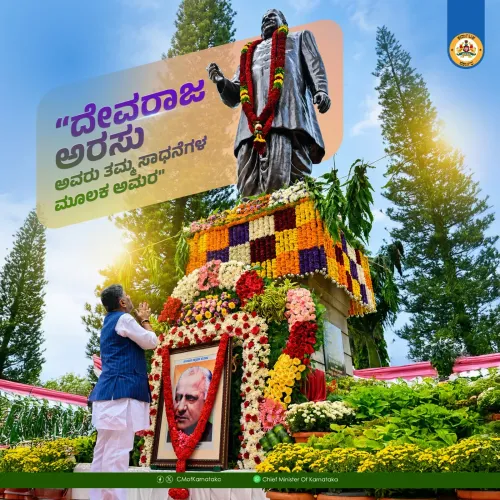
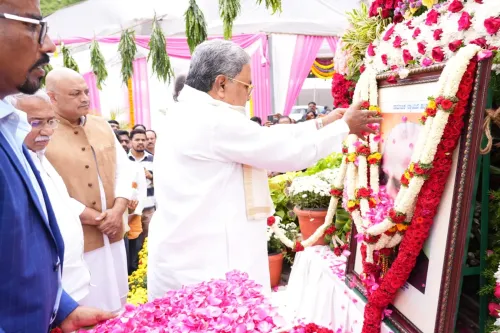
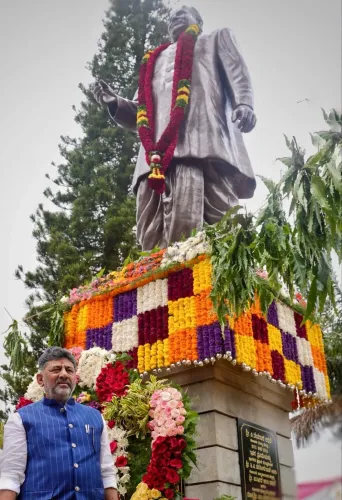
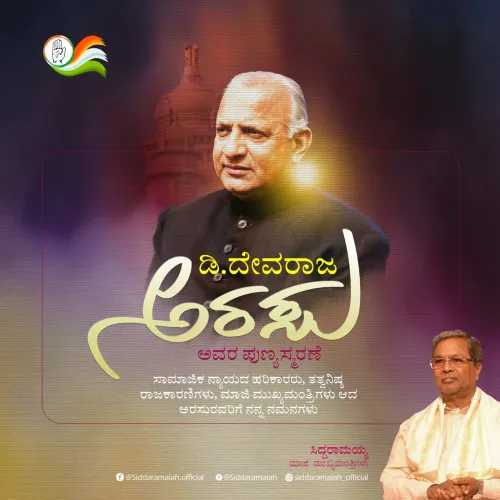
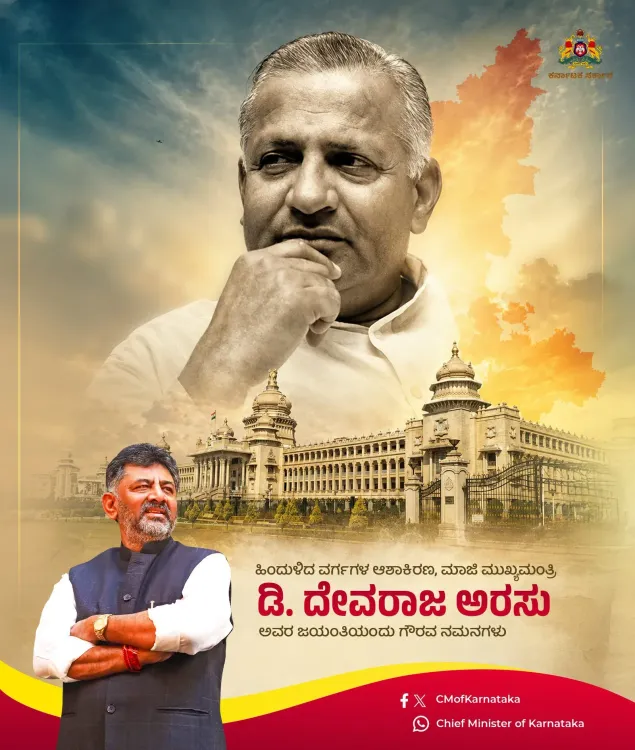
On the birth anniversary of one of Karnataka's most transformative leaders, the Chief Minister's Office of Karnataka on Thursday, 20 August 2026 paid solemn tribute to former Chief Minister D. Devaraj Urs — the architect of land reforms that permanently altered the social fabric of the state.
The tribute, posted in Kannada, honoured Urs as 'saamaajika nyaayada harikara' — a pioneer of social justice — and recalled his defining conviction: 'Uḷuvavane bhoomiya oḍeya' ('He who tills the land is its rightful owner'). That phrase was not merely a slogan. Under Urs, it became law.
The Land Reforms That Rewrote Karnataka's Rural Order
Devaraj Urs served as Chief Minister of Mysore State (later Karnataka) from 1972 to 1977, a tenure defined by legislative boldness. His government enacted tenancy reforms that transferred land rights directly to tenant farmers who had worked the soil for generations without legal title. The abolition of jeeta — bonded labour — dismantled one of the most exploitative feudal practices in the region's agrarian history.
These were not incremental adjustments. They were structural ruptures — redistributing both land and dignity to communities that had held neither.
From Mysore State to Karnataka: Naming a People's Identity
On 1 November 1973, Urs oversaw the renaming of Mysore State to Karnataka — a decision that carried deep cultural weight for Kannada speakers across the unified state. The CMO's tribute credited him with strengthening the asmite (identity) and svabhimana (self-respect) of all Kannadigas. The name change was not administrative housekeeping; it was an act of political recognition for a linguistic community that had long sought a state that bore its own name.
Education, Employment, and Backward-Class Empowerment
The tribute also highlighted Urs's work in expanding access to education and employment for Dalits, exploited communities, and Other Backward Classes — a policy thrust that laid early foundations for reservation and welfare frameworks that Karnataka's governments have continued to reference and build upon. Annual commemorations of Urs consistently serve as political moments to reaffirm commitment to these communities, and the current government's tribute is no exception.
Half a century on, the tiller's right to the land remains the lens through which Karnataka measures its own social conscience. Devaraj Urs set that standard. The question every anniversary quietly asks is how far the state has actually walked the road he opened.
Point of View
Bonded-labour abolition, Kannada identity — functions as a touchstone that successive administrations, regardless of party, claim as their own inheritance. The timing of such tributes often signals the ruling dispensation's intent to foreground backward-class and Dalit welfare in its policy messaging. Whether the anniversary prompts concrete new announcements on land rights or reservations will reveal how substantive, rather than ceremonial, the commemoration truly is.
NationPress
5 Oct 2026
Frequently Asked Questions
Who was D. Devaraj Urs and why is he remembered?
D. Devaraj Urs was Chief Minister of Karnataka (then Mysore State) from 1972 to 1977. He is remembered for landmark land reforms that gave tenant farmers legal title to the land they tilled, abolishing bonded labour, empowering Dalits and backward classes, and overseeing the renaming of Mysore State to Karnataka in 1973.
When was Mysore State renamed Karnataka and who was responsible?
Mysore State was officially renamed Karnataka on 1 November 1973 during the tenure of Chief Minister D. Devaraj Urs, as an affirmation of Kannada linguistic and cultural identity.
What were Devaraj Urs's land reforms in Karnataka?
Under Urs, Karnataka enacted tenancy legislation that transferred land rights to tenant farmers who worked the land, embodying the principle 'He who tills the land is its rightful owner.' His government also abolished jeeta, the system of bonded labour that had kept marginalised agricultural workers in exploitative conditions.
Why does Karnataka celebrate Devaraj Urs Jayanti every year?
Devaraj Urs Jayanti is observed annually as a tribute to his transformative social reforms. Karnataka's political tradition treats the occasion as a moment to reaffirm commitments to social justice, land rights, and the welfare of Dalits and backward classes — communities Urs championed during his tenure.
What did the Karnataka CMO post about Devaraj Urs in 2026?
On 20 August 2026, the Chief Minister's Office of Karnataka posted a tribute in Kannada honouring Devaraj Urs on his birth anniversary, citing his land reforms, abolition of bonded labour, empowerment of marginalised communities, and the 1973 renaming of Mysore State to Karnataka.