Digvijaya Singh demands probe into fertiliser overcharging in Madhya Pradesh
Synopsis
Digvijaya Singh has now written twice in three days to MP CM Mohan Yadav over fertiliser overcharging — alleging a 50-kg bag jumped from ₹1,450 to ₹2,100 through POS and e-token systems meant to ensure fair distribution. The digital infrastructure built for transparency is, critics argue, being used to obscure the very exploitation it was meant to prevent.
Key Takeaways
Digvijaya Singh on 11 June urged MP CM Mohan Yadav to order a high-level inquiry into fertiliser sale irregularities.
Farmers allegedly charged above printed MRP for DAP , SSP , and complex fertilisers across multiple districts.
A 50-kg fertiliser bag reportedly sold at nearly ₹2,100 against an earlier price of around ₹1,450 .
Old stocks allegedly being offloaded via POS machines and e-token systems at revised higher rates.
Selling above printed MRP violates the Fertilizer (Control) Order, 1985 and the Essential Commodities Act .
This is Singh's second escalation this week ; he had written on 9 June alleging black marketing.
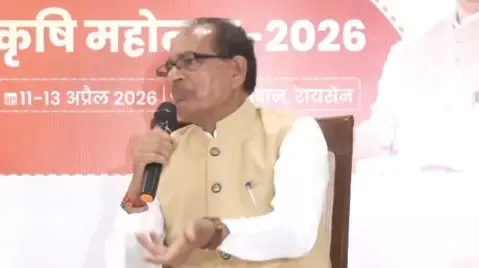
Senior Congress leader Digvijaya Singh on Thursday, 11 June urged Madhya Pradesh Chief Minister Mohan Yadav to order a high-level inquiry into alleged irregularities in the sale and distribution of fertilisers across the state. Singh claimed that farmers in multiple districts are being charged above the printed Maximum Retail Price (MRP) for fertilisers including DAP, SSP, and other complex variants.
What Singh Alleged
According to Singh, complaints received from farmers and farmer organisations indicate that old fertiliser stocks are being offloaded through Point of Sale (POS) machines and e-token systems at revised — and higher — rates. He cited a specific instance where a 50-kg bag of fertiliser, previously priced at around ₹1,450, is reportedly being sold at certain locations for nearly ₹2,100 — an increase of roughly 45% above the earlier price.
'Farmers have complained that fertilisers available in old stock are being sold at increased prices. This is putting an additional financial burden on farmers,' Singh said.
Legal Basis for the Demand
Singh pointed out that selling fertilisers above their printed MRP violates the Fertilizer (Control) Order, 1985 and the Essential Commodities Act. He argued the issue extends beyond price escalation to questions of transparency and farmers' rights. He called for district-level verification of complaints, a special statewide inquiry into fertiliser distribution, and strict action against officials and dealers found guilty.
'Complaints of overcharging and the sale of old stock at revised rates should be investigated. Farmers who have paid excess amounts should be compensated, and those responsible should face action,' he said.
A Repeat Escalation
Notably, this is the second time within a week that Singh has raised the matter with the state government. On 9 June, he had written to the Chief Minister alleging black marketing of fertilisers and irregularities in their distribution. The back-to-back interventions signal a sustained political push by the Congress ahead of what is a critical kharif sowing season, when fertiliser demand peaks across Madhya Pradesh.
Agriculture at Stake
Madhya Pradesh is one of India's largest agricultural states, with farming forming the backbone of its economy. Singh stressed that farmers are already grappling with rising input costs and market uncertainties, making any additional financial burden from overpriced inputs particularly damaging. Critics argue that the alleged misuse of digital distribution infrastructure — POS machines and e-token systems introduced to improve transparency — represents a systemic failure that warrants immediate government attention.
The state government is yet to formally respond to Singh's latest demand. Whether Chief Minister Mohan Yadav orders a probe will be closely watched by farmer groups across the state.
Point of View
Timed to the kharif sowing peak — is as much political strategy as farmer advocacy. But the substance deserves scrutiny independent of the messenger. If POS and e-token systems, rolled out explicitly to curb black marketing, are now being used to sell old stock at revised rates, that is a governance failure the BJP-led state government cannot deflect with whataboutery. Madhya Pradesh's farm distress is real and documented; fertiliser overcharging at sowing time compounds it in ways that data on crop loans and input subsidies rarely capture. The CM's silence so far is itself a signal worth watching.
NationPress
26 Oct 2026
Frequently Asked Questions
What are the fertiliser irregularities alleged by Digvijaya Singh in Madhya Pradesh?
Singh has alleged that farmers in several MP districts are being sold fertilisers such as DAP, SSP, and complex fertilisers above their printed Maximum Retail Price. He specifically cited a 50-kg bag rising from around ₹1,450 to nearly ₹2,100, with old stocks reportedly offloaded through POS and e-token systems at revised rates.
Which laws are being violated if fertilisers are sold above MRP?
Selling fertilisers above their printed MRP violates the Fertilizer (Control) Order, 1985 and the Essential Commodities Act. Singh has used these provisions as the legal basis for demanding a formal state government inquiry.
Has Digvijaya Singh raised this issue before?
Yes. This is Singh's second escalation within a week. He had written to Chief Minister Mohan Yadav on 9 June alleging black marketing of fertilisers and distribution irregularities, making the 11 June statement a follow-up demand for a formal probe.
What action has Singh demanded from the MP government?
Singh has demanded a special statewide inquiry into fertiliser distribution and sales, district-level verification of farmer complaints, compensation for farmers who paid excess amounts, and strict action against officials and dealers found guilty of overcharging.
Why does this matter for Madhya Pradesh farmers?
Madhya Pradesh's economy is heavily dependent on agriculture, and fertiliser costs are a critical input expense during the kharif sowing season. Overcharging at this stage compounds existing pressures from rising input costs and market uncertainties, directly affecting farmers' net incomes.